Royal Attire to Spiced Flavors: The Everyday Life in Rajasthan
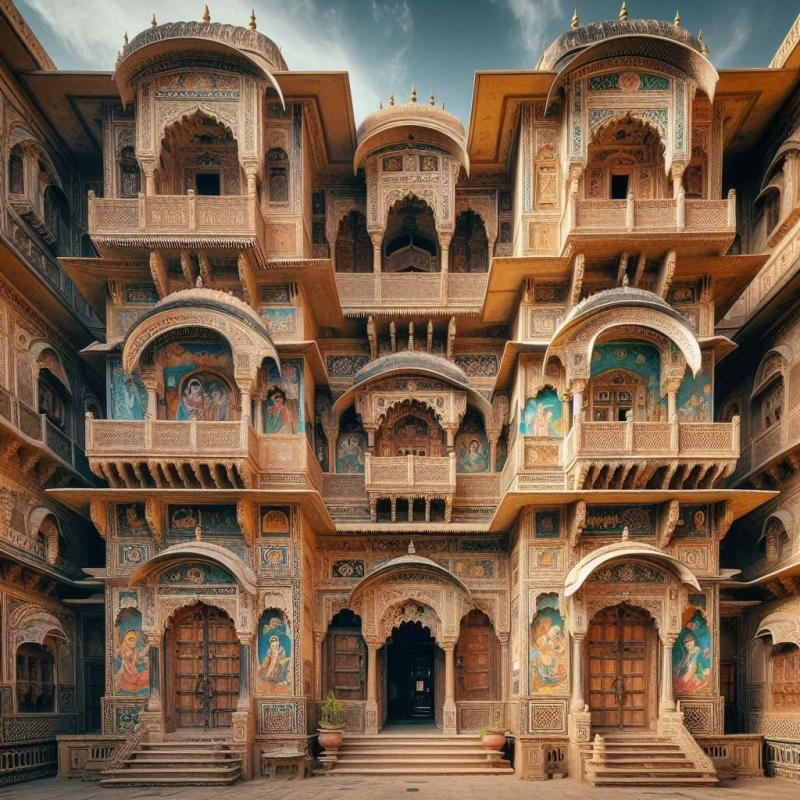
Rajasthan is a place that grabs you, with its colors, its culture, and its rhythm. The state is home to towering forts, sparkling palaces, and endless desert landscapes, but it’s also about the everyday life of its people—their clothing, food, and customs. When you visit Rajasthan, you don’t just see history; you feel it in the way people live, work, and celebrate their traditions.
Royal Clothing and Local Wear
Rajasthan is known for its royal history, and a big part of that history can still be seen in the clothes people wear. Even today, the influence of royal attire shows up in traditional dress. When you visit, you’ll see women in bright-colored ghagras (long skirts) and cholis (blouses) with intricate mirror work and bead embroidery. Men, too, wear traditional clothing like safas (colorful turbans) and kurtas (long tunics). It’s all vibrant and full of life, reflecting the rich culture of the region.
But these aren’t just clothes; they’re part of the everyday life here. While you might see a man in a suit in other parts of the world, in Rajasthan, the safa and kurta are more than just a part of tradition. They symbolize pride in their culture and a connection to the land they live on. The women, especially in rural villages, still wear their traditional ghagras when working or socializing.
I remember visiting a small village near Jodhpur. The women there wore colorful ghagras that shimmered in the sunlight, the intricate mirror work catching the light with every movement. It wasn’t just beautiful—it was a reminder of the long history behind every thread of those clothes. In Rajasthan, even the simplest outfits have stories woven into them.
Flavorful Food: The Heart of Rajasthan
If there’s one thing that stands out about Rajasthan’s lifestyle, it’s the food. The state is a paradise for anyone who loves spices. The cuisine here is bold, flavorful, and a bit fiery. Every dish seems to tell a story, from the humble dal baati churma to the rich, spicy gatte ki sabzi. The food feels like an extension of the land—robust, full of life, and bursting with flavor.
What makes Rajasthani food even more special is the way it’s cooked. It’s all about using fresh ingredients, with plenty of aromatic spices like cumin, coriander, and garam masala. I’ve had the chance to watch local cooks in action. They don’t just use spices for flavor; they believe in their healing properties, too. From the fresh ground spices in the morning to the slow-cooked meals in the evening, food in Rajasthan is never rushed. It’s made with care, and each meal feels like a celebration.
On my trip to Jaipur, I had the chance to try a thali, a platter of various dishes. There were lentils, curries, flatbreads, and sweets all piled together. The flavors were intense, but also comforting. The dal was rich and savory, while the kachori was crispy and golden. And the jalebi—sweet, crispy, and soaked in syrup—was the perfect way to end the meal.
But the most iconic Rajasthani dish has to be dal baati churma. It’s a meal of wheat dumplings (baati) served with spicy lentils (dal) and a sweet, crumbly dessert (churma). It’s hearty and filling, perfect for the cold desert nights, and you can’t leave Rajasthan without trying it.
The Flow of Daily Life
Life in Rajasthan flows with a rhythm all its own. The mornings start early, especially in the rural areas. People wake up with the sun, start their chores, and prepare for the day ahead. Many women go to the well to fetch water, while the men work in the fields or on their cattle. There’s a sense of simplicity here—life isn’t rushed, and there’s time to appreciate the small moments.
Even in the cities, the pace of life isn’t frantic. In Jaipur, for example, the mornings start with the sound of temple bells and the chatter of people heading to the market. It’s a little chaotic, but it feels grounded in tradition. The markets are full of life, with people selling everything from vegetables to spices to clothes. The air is thick with the smell of incense, fresh bread, and roasting spices.
What’s striking is how deeply connected the people of Rajasthan are to the land and the seasons. Every part of life here is influenced by the desert, the heat, and the changing weather. People take long afternoon naps during the hottest part of the day and come out again in the evening to enjoy the cooler weather. The lifestyle is simple but deeply connected to nature and the community.
I’ve had the chance to witness these daily rhythms in both the cities and the countryside. I visited a village where people worked in the fields and tended to their animals. The men worked the land with tools passed down for generations, and the women cooked meals in open-air kitchens. Their lives are simple, but every action seems deliberate and connected to a greater purpose. There’s something peaceful about the pace of life here.
Attractions in Rajasthan
Of course, one of the reasons people visit Rajasthan is for its famous tourist attractions. Cities like Jaipur, Udaipur, and Jodhpur are filled with stunning forts, palaces, and lakes. Amber Fort in Jaipur is a must-see, with its breathtaking architecture and scenic views. Udaipur’s lakeside palaces are another must-visit, as they reflect the state’s rich royal history. And Jodhpur, known as the Blue City, offers visitors a chance to explore the Mehrangarh Fort and surrounding markets.
But it’s not just the sights that make Rajasthan special—it’s the way life here is lived. The royal history, the vibrant clothing, the mouth-watering food, and the steady rhythms of everyday life are what make Rajasthan so unique.
Conclusion
Life in Rajasthan is about more than just tourist attractions. It’s about the chai vendor who greets you with a smile, the street musician playing a timeless tune, and the endless stories hidden in the walls of every ancient fort. As you explore the Top Tourist Attractions in Rajasthan, take time to experience these little moments—they are what make Rajasthan truly special.
Post Your Ad Here
Comments