Secret to Smarter Sourcing? The RFQ Process Explained!
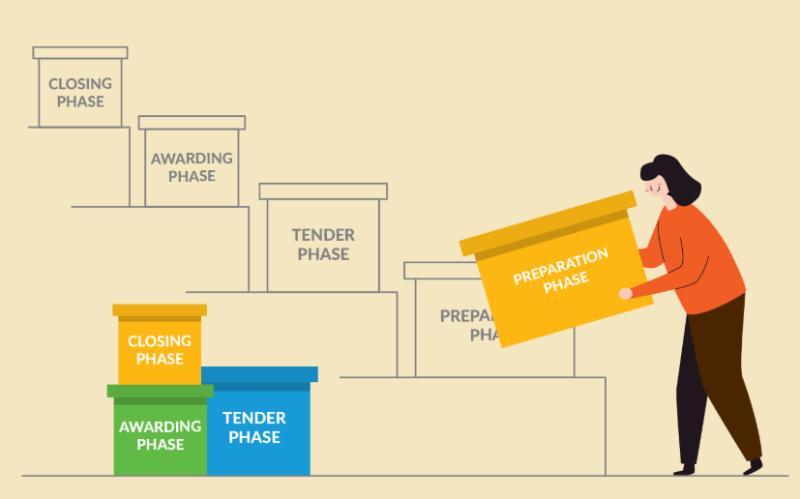
In today’s competitive business landscape, sourcing the right materials and services efficiently is critical for success. One of the most effective ways to streamline procurement and make informed purchasing decisions is through the Request for Quotation (RFQ) process. This article delves into the essentials of the RFQ process, its benefits, and how businesses can optimize it for smarter sourcing.
What is an RFQ?
A Request for Quotation (RFQ) is a formal procurement process where businesses solicit price quotes from multiple suppliers for specific goods or services. The RFQ process allows companies to compare offers, negotiate better terms, and ensure cost-effectiveness in procurement.
Key Steps in the RFQ Process
Identifying Requirements – Clearly define the product or service specifications, quantity, quality standards, and delivery requirements.
Selecting Potential Suppliers – Shortlist credible suppliers based on industry reputation, past performance, and ability to meet requirements.
Creating and Sending RFQs – Prepare a detailed RFQ document and send it to selected suppliers. This document should include pricing details, terms, and deadlines.
Evaluating Responses – Compare supplier quotations based on pricing, service quality, delivery timelines, and additional terms.
Negotiation and Selection – Engage in negotiations to achieve the best deal before finalizing the supplier.
Awarding the Contract – Formally communicate the decision, finalize the agreement, and issue the purchase order.
Benefits of Using the RFQ Process
Cost Savings – Competitive bidding helps secure the best prices and terms.
Transparency – Ensures a fair and structured procurement process.
Time Efficiency – Streamlines supplier selection and reduces procurement lead time.
Improved Supplier Relationships – Encourages better collaboration and long-term partnerships with vendors.
Best Practices for an Effective RFQ Process
Be Specific in Requirements – Provide clear details to avoid miscommunication.
Leverage Technology – Use e-sourcing tools and procurement software to automate the process.
Evaluate Beyond Price – Consider factors like supplier reliability, quality, and service excellence.
Maintain Supplier Engagement – Foster strong relationships to improve future procurement processes.
Conclusion
A well-structured RFQ process is the secret to smarter sourcing. By following best practices and leveraging technology, businesses can enhance efficiency, reduce costs, and build strong supplier relationships. Whether you’re a small enterprise or a large corporation, mastering the RFQ process can significantly boost your procurement strategy and operational success.
Post Your Ad Here
Comments