Indian Union Budget 2025: Govt to Establish Atal Tinkering Labs in 50,000 Schools
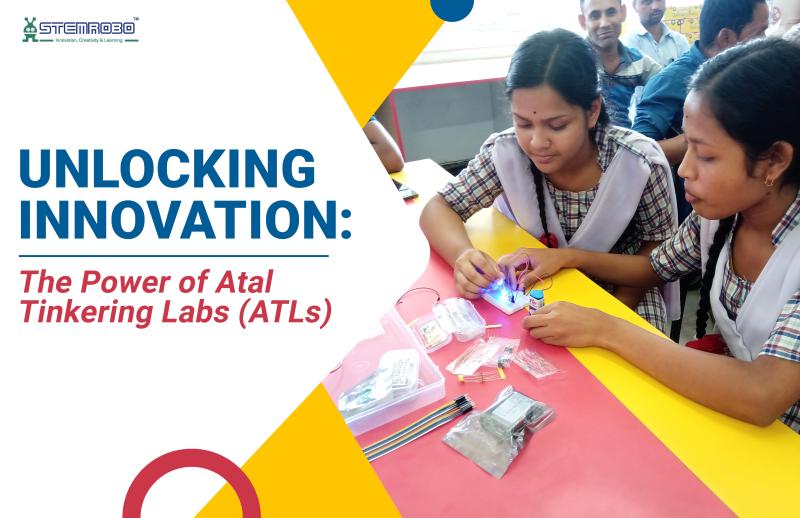
The Union Budget 2025 has set a remarkable precedent for the future of education in India with the ambitious plan to establish Atal Tinkering Labs (ATL) in 50,000 schools over the next five years. This initiative is not just about creating spaces; it’s about fostering innovation and creativity among students. The ATL Lab setup will empower young minds to explore, experiment, and engage in hands-on learning experiences that are crucial for developing critical thinking and problem-solving skills.
More Details visit : https://www.stemrobo.com/atal-tinkering-lab/
So, how can schools participate in this transformative journey? Setting up an Atal Tinkering Lab involves a straightforward application process that interested institutions can follow. Schools must demonstrate their commitment to nurturing innovation through a well-structured proposal detailing their vision for the lab.
Once approved, the ATL Lab setup will provide access to state-of-the-art
tools and resources designed to encourage students to tinker with technology
and unleash their creativity. Educators will also receive training on how to
effectively utilize these labs as platforms for exploration.
For those wondering how to apply for an Atal Tinkering Lab setup, it’s
essential to stay informed about announcements from the government regarding
application windows and requirements. This is an extraordinary opportunity not
only for schools but also for students who aspire to become future innovators.
By embracing this initiative, we are investing in a generation that will drive
India’s technological advancements forward.
Setting
up an Atal Tinkering Lab after receiving the grant requires careful planning
and execution. By following a systematic approach, you can ensure the
successful establishment of a vibrant and innovative learning space for
students.
The first
step is to create a detailed implementation plan. This involves identifying the
location for the lab, assessing the infrastructure requirements, and allocating
resources such as equipment, tools, and materials. It is essential to consider
factors like accessibility, safety measures, and availability of utilities
during this stage.
Next, it
is crucial to form a dedicated team of mentors and instructors who will guide
students in their tinkering journey. These individuals should have expertise in
various domains like science, technology, engineering, arts, and mathematics
(STEAM). They will play a pivotal role in fostering creativity and critical
thinking among students.
Once the
team is assembled, it's time to procure the necessary equipment and materials
for the lab. This may include electronics components, robotics kits, 3D
printers, software licenses, and other relevant resources. Careful
consideration should be given to selecting high-quality tools that align with
the curriculum objectives.
After
setting up the physical infrastructure and acquiring resources, it's important
to design a comprehensive curriculum that integrates hands-on learning
experiences with theoretical knowledge. The curriculum should be flexible
enough to cater to different age groups and skill levels while promoting
innovation and problem-solving skills.
In
parallel with curriculum development comes teacher training programs.
Conducting workshops or training sessions for educators will empower them with
the necessary skills to effectively facilitate tinkering activities within the
lab. This training can cover topics such as project-based learning
methodologies or specific technical skills related to STEAM subjects.
Lastly
but equally important is establishing partnerships with industry experts or
local organizations that can provide mentorship opportunities or collaborate on
real-world projects with students at your Atal Tinkering Lab. These
collaborations will expose students to practical applications of their
knowledge while fostering an entrepreneurial mindset.
By
following these necessary steps, you can ensure a successful setup of an Atal
Tinkering Lab that will empower students to become innovators, problem solvers,
and future leaders in the fields of science and technology.
The Indian Union Budget 2025 has introduced a visionary initiative aimed at
revolutionizing the education landscape by setting up Atal Tinkering Labs
(ATLs) in 50,000 schools across the country over the next five years. This move
aligns with the government’s broader mission of fostering innovation,
creativity, and technological advancement among young learners.
A Step Towards Innovation-Driven Learning
The establishment of ATLs is more than just creating spaces with modern
equipment; it is about instilling a culture of innovation and hands-on
learning. These labs will serve as hubs for young minds to explore, experiment,
and develop problem-solving skills through interactive and practical
experiences. By integrating technology and real-world applications into the
learning process, students will be better equipped to tackle challenges and
contribute to India's growing innovation ecosystem.
How Can Schools Participate?
The government has streamlined the process for schools to apply for setting
up Atal Tinkering Labs. Institutions keen on joining this transformative
journey need to follow a structured application process, which includes:
1. Submitting
a Proposal: Schools must demonstrate their commitment to fostering
innovation by presenting a well-documented proposal outlining their vision,
objectives, and implementation strategies for the ATL Lab.
2. Selection
and Approval: After review, selected schools will receive approval and
funding assistance to establish the labs within their premises.
3. Infrastructure
Setup: Schools will be provided with state-of-the-art tools and
equipment, including 3D printers, robotics kits, electronics, and mechanical
components, allowing students to engage in hands-on experiments and prototype
development.
Empowering Educators and Students
Beyond infrastructure, the initiative also focuses on capacity building.
Educators will undergo specialized training programs to effectively utilize
ATLs as interactive learning platforms. These training sessions will help
teachers guide students in developing innovative projects and practical
applications, ensuring the labs serve as dynamic learning environments.
The Road Ahead
With the implementation of 50,000 Atal Tinkering Labs, India is set to take
a significant leap towards an innovation-driven education system. This
initiative not only nurtures the next generation of thinkers, creators, and
entrepreneurs but also strengthens India’s position as a global leader in
science and technology. Schools embracing this initiative will play a crucial
role in shaping future innovators who will drive the nation’s progress.
As the government rolls out this ambitious plan, educational institutions have a golden opportunity to be at the forefront of this transformation. The future of education in India is set to become more dynamic, practical, and innovation-focused, paving the way for a new era of technological excellence.

Post Your Ad Here
Comments (1)
Dheeraj Maurya13
SEO Specialist
As the government rolls out this ambitious plan, educational institutions have a golden opportunity to be at the forefront of this transformation. The future of education in India is set to become more dynamic, practical, and innovation-focused, paving the way for a new era of technological excellence.