Understanding Menopause: What Causes Early Menopause?
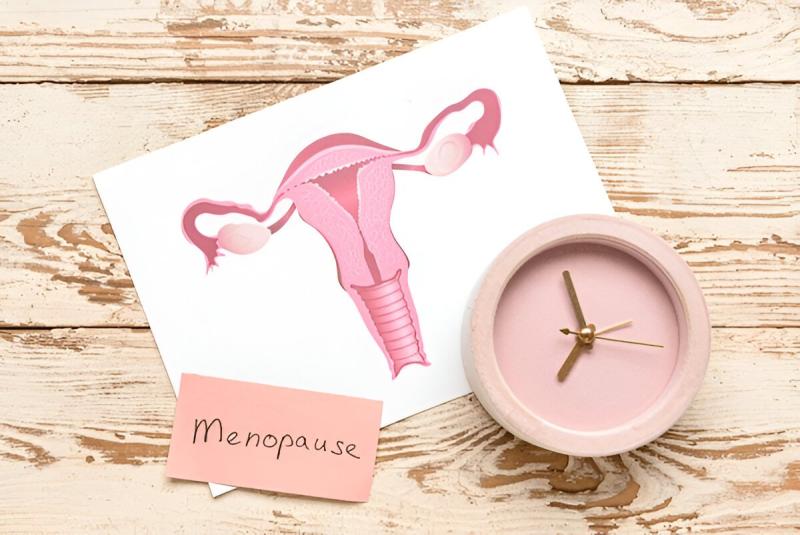
Menopause is the permanent stop of menstruation due to the loss of ovarian function, typically recognised after missing periods for a full year.
Did you know that the average age at natural menopause in India varies across regions? In Eastern India, it’s 47.3 years; in Western India, it’s 46.2 years. Northern India sees an average of 45.5 years, Southern India is 46.1 years, and Central India is 47.8 years. This regional variation highlights the diverse factors influencing menopause, from lifestyle to genetics. On the other hand, premature or early menopause is highest in the age group 35–39, with 6.1%3. Let’s explore what this means for women’s health and well-being!
The ovaries' cessation of egg production during menopause results in low estrogen levels. Hot flashes and other symptoms start during perimenopause, although the diagnosis is made a year after menopause. Each woman may have a distinct cause of premature menopause. It can happen naturally, as a result of ovulation damage, or due to decreased estrogen production, which is frequently brought on by oophorectomy or chemotherapy.
More extended periods, excessive bleeding, and irregular periods are signs of early menopause. Mood fluctuations, diminished sex drive, dry vagina, sleep issues, hot flashes, night sweats, and loss of bladder control are typical symptoms. This stage may impact fertility and health. To rule out other causes, it is crucial to contact a physician. To manage and lessen the symptoms of early menopause, it is essential to comprehend its causes.
Some common causes of early menopause include:
1. Genetic Factors: One of the primary causes of premature menopause is believed to be genetic factors. Genetics play a major role in determining the age of menopause. A woman is more likely to experience it if her mother or sister has premature menopause.
2. Autoimmune diseases: Autoimmune diseases can sometimes harm the ovaries, causing early menopause. Premature menopause is associated with the following disorders:
- Hypothyroidism
- Thyroiditis caused by Hashimoto's
- Graves' illness
- It is rheumatoid arthritis.
- Crohn's disease
- Gravis myasthenia
- Lupus erythematosus systemic
- Multiple sclerosis
3. Lifestyle variables: The time of menopause onset is influenced by lifestyle factors. Smoking causes early menopause and alters estrogen. Research indicates that women who smoke regularly or chronically experience menopause 1-2 years early. Additionally, other studies suggest that early menopause may also be caused by elements such as a vegetarian diet, inactivity, and inadequate sun exposure.
4. Genetic abnormalities: Early menopause may result from specific genetic issues. Early menopause is caused by disorders like Turner syndrome (monosomy X), in which the ovaries do not function normally. Women who have Fragile X syndrome or are carriers of its gene are also at risk for this issue. Those who have gone through early menopause or have a family relative who has this issue should get genetic testing from a physician.
5. Epilepsy: A brain-derived condition called epilepsy can result in primary ovarian failure, which can trigger menopause. Menopause-related changes in hormone levels can impact epileptics' seizures. Compared to just 1% of the general population, 14% of women with epilepsy experienced early menopause, according to a 2001 research.
6 . Removal of the ovaries: The term "oophorectomy" describes the surgical removal of one or both ovaries. Menopause is a direct result of this process. Women who have this procedure enter menopause right away because they are unable to produce the hormones that cause menstruation or the production of eggs. Early menopause may result from partial ovarian resection since the remaining tissue may not operate as intended.
7. Chronic diseases: Diabetes and epilepsy are two examples of chronic diseases that might cause menopause to start early. For instance, type 1 diabetic women are more likely than healthy women to experience menopause earlier, maybe as a result of the ovaries' involvement in blood sugar regulation. Furthermore, there is evidence that ovarian ageing is accelerated by hormonal abnormalities, which may be connected to epilepsy.
8. Low Body Mass Index (BMI): BMI is also significant. Very skinny women have low estrogen levels that quickly run out because adipose tissue stores estrogen. This may impact early menopause, which may come a little later for women with higher BMIs.
9. Chemotherapy and Radiation Therapy: Early menopause is a regular occurrence for women undergoing chemotherapy and radiation therapy, mainly when the malignancies are near the reproductive organs. Radiation and chemotherapy frequently harm the ovaries, impairing hormone and egg production. Age at the time, treatment length, and dosage all influence this loss.
10. Environmental factors: Early menopause and ovarian health issues might result from exposure to environmental contaminants and chemicals. Ovarian failure can be caused by environmental factors such as metals, industrial pollutants, and pesticides. These drugs throw off the hormonal balance, causing imbalances that cause menopause to start early.
11. Viral infections: Although the precise relationship between some viruses and early menopause is unknown, some have been linked. HIV, mumps, CMV, tuberculosis, and malaria are among the infections that can cause ovarian abnormalities and early menopause.
Conclusion:
Premature menopause is caused by a variety of environmental and genetic causes. Premature menopause is more likely to occur in women with a family history of the condition. An earlier onset of menopause can also be caused by lifestyle factors like smoking, having a low body mass index, and eating poorly. The hormonal balance can be upset by environmental contaminants such as metals, industrial chemicals, and pesticides, which speed up ovarian ageing and cause early menopause. Menopause can also be accelerated by medical therapies like chemotherapy, radiation therapy, or oophorectomy, as well as chronic illnesses like diabetes and epilepsy. Too properly manage their reproductive health, women must be aware of these variables. To address the effects of premature menopause on general health and fertility, as well as to discover underlying causes, it is imperative to have regular consultations with healthcare specialists.
Post Your Ad Here
Comments