How to Maximize the Lifespan of 50-Year Shingles
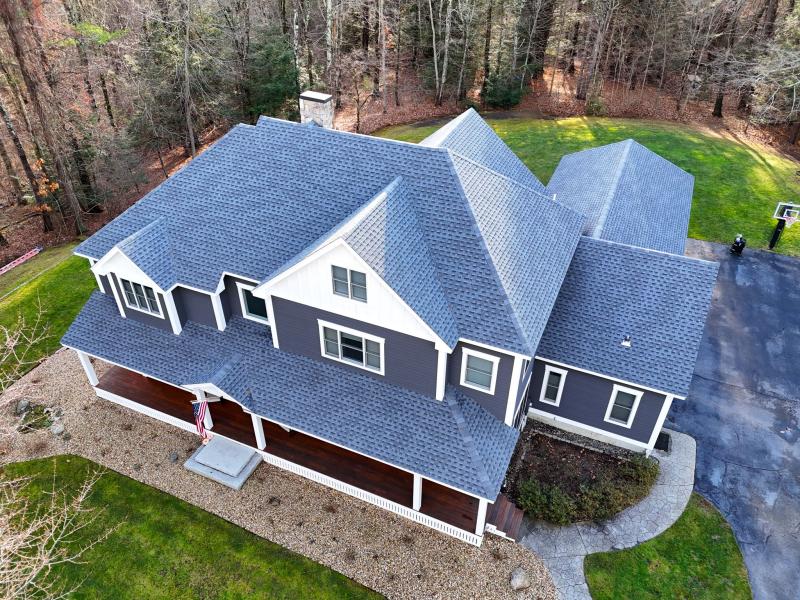
When it comes to roofing, longevity is key. If you're considering
investing in 50-year shingles for your home, you're making a wise choice. These
high-quality shingles are designed not only to withstand the test of time but
also to enhance your home's curb appeal. However, like any investment, their
lifespan can be influenced by various factors.
Understanding how to maximize the performance of 50-year shingles will ensure
that you get every bit of value out of them. From proper installation
techniques to regular maintenance tips and protection against harsh weather
conditions, there’s much you can do. So let’s dive into the essentials that
will help you extend the life of your roof and keep it looking great for
decades!
Understanding the Basics of 50-Year Shingles
50-year shingles are a premium roofing option designed for
durability and performance. Unlike standard 30-year shingles, which often
require replacement sooner, these high-quality materials offer exceptional
longevity.
Made from asphalt or fiberglass, they undergo rigorous testing to ensure
resistance against harsh weather conditions. Many manufacturers provide
warranties that reflect their confidence in the product's lifespan.
The thicker construction of 50-year shingles means better protection against
wind uplift and impact damage. They also come in a variety of styles and
colors, allowing homeowners to choose options that complement their
architectural preferences while enhancing curb appeal.
Understanding the basic structure and benefits of 50-year shingles can help you
make informed decisions about your roofing needs. Whether you're building new
or replacing an old roof, knowing what sets these shingles apart is essential
for maximizing your investment.
Factors that Affect the Lifespan of Shingles
The lifespan of 50-year shingles can be influenced by several key
factors.
One significant element is climate. Areas with extreme temperatures, heavy
rainfall, or high winds can diminish shingle durability over time.
Another aspect to consider is the installation process. Properly installed
shingles create a secure barrier against the elements, while poor installation
may lead to early failures.
Ventilation plays a crucial role as well. A well-ventilated attic helps
regulate temperature and moisture levels, preventing damage caused by heat
buildup.
Additionally, local environmental conditions like proximity to trees or
saltwater can impact performance too. Debris accumulation from nearby foliage may
cause wear and tear more quickly than in open areas.
Regular maintenance cannot be overlooked; neglecting minor repairs can escalate
into major issues that shorten your roof's life span significantly.
Proper Installation Techniques for Extended Longevity
Proper installation is the cornerstone of maximizing the lifespan
of 50-year shingles. The right techniques can make a world of difference.
Start with a solid, clean deck. Any debris or moisture can compromise adhesion
and lead to future issues. Ensure each shingle is properly aligned and spaced
for optimal performance.
Using quality underlayment acts as an additional barrier against water
intrusion. This step cannot be overlooked, as it protects your home from leaks
that could shorten your shingles' life.
Pay attention to ventilation. Adequate airflow in the attic prevents heat
buildup, reducing thermal stress on shingles over time.
Never rush the process. Each detail matters when installing high-quality
50-year shingles; taking shortcuts now may cost you in repairs later down the
line. A meticulous approach pays dividends in durability and peace of mind for
years to come.
Regular Maintenance and Inspections to Prolong Shingle Life
Regular maintenance is essential to prolong the lifespan of
50-year shingles. A consistent inspection schedule helps catch small issues
before they become major problems.
Start by checking for any missing or damaged shingles. Even a few compromised
pieces can lead to leaks and further degradation if not addressed promptly. Look
for signs of granule loss as well; this indicates wear that could reduce your
roof's effectiveness.
Cleaning gutters and downspouts regularly is vital too. Clogged systems can
cause water backup, leading to moisture damage on your roof’s surface.
Consider hiring a professional for periodic inspections, especially after
severe weather events. They can identify underlying problems that may be
invisible to an untrained eye.
Taking these simple steps ensures your investment in high-quality 50-year shingles
pays off over time, allowing you to enjoy peace of mind with a durable roofing
solution.
Tips for Dealing with Harsh Weather Conditions
Harsh weather can take a toll on your roof, even if you have
high-quality 50-year shingles. To protect them, consider installing a
protective underlayment. This extra layer adds insulation and shields against
moisture.
Regularly clear debris from your roof after storms. Leaves, branches, and snow
can trap water against the shingles, leading to potential damage over time.
During extreme heat waves or cold snaps, keep an eye on the ventilation in your
attic. Proper airflow helps regulate temperature fluctuations that could affect
shingle performance.
Consider using roofing sealants in vulnerable areas such as valleys or around
chimneys where leaks might develop due to harsh conditions.
If severe weather is forecasted, inspect your roof for any loose shingles
beforehand. A proactive approach can save you from extensive repairs later on
when storm-related damages occur.
The Importance of Choosing Quality Materials
When it comes to maximizing the lifespan of 50-year shingles, the
choice of materials plays a crucial role. High-quality 50-year shingles are
designed with durability in mind, providing better resistance against harsh
weather conditions and UV exposure.
Investing in premium materials means fewer repairs over time. Cheaper options
might save you money upfront but can lead to costly replacements down the road.
Better quality shingles also enhance your home’s energy efficiency. They help
regulate temperature, reducing strain on heating and cooling systems.
Additionally, high-quality products often come with extended warranties. This
added assurance can bring peace of mind for homeowners concerned about
longevity and performance.
Incorporating top-notch materials not only benefits immediate aesthetics but
also contributes significantly to lasting value for your property. Choosing
wisely ensures that your roof remains a steadfast protector through all
seasons.
Conclusion: Investing in Your Roof's Longevity
Investing in your roof's longevity is crucial for homeowners
seeking durability and reliability. By choosing high-quality 50-year shingles,
you ensure that your roofing system can withstand the test of time. Proper
installation techniques play a significant role in maximizing their lifespan,
so hiring experienced professionals is essential.
Regular maintenance and inspections help catch minor issues before they become
major problems. This proactive approach not only extends the life of your
shingles but also enhances overall performance. Furthermore, being mindful of
harsh weather conditions allows you to take necessary precautions to protect
your roof.
Understanding how various factors contribute to the lifespan of 50-year shingles empowers you as a homeowner to make informed choices. Your roof is an
important investment; taking steps now will lead to lasting benefits down the
road. Prioritizing quality materials and regular care safeguards this vital
component of your home for years ahead.

Post Your Ad Here
Comments