The Pros and Cons of Different Heating and Cooling Systems in Melbourne
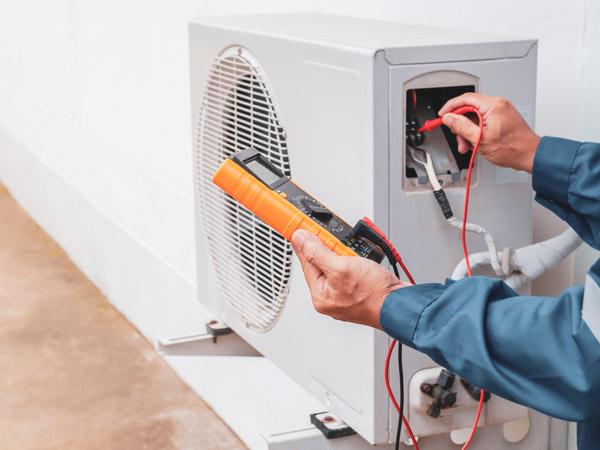
When it comes to choosing the best
heating and cooling system for your Melbourne home or office, it’s important to
consider the city’s unpredictable climate. Melbourne is known for its
"four seasons in one day," so having an efficient system that can
handle both hot summers and chilly winters is crucial. There are various
Heating and Cooling solutions available, each with its own set of advantages
and challenges. This guide will explore the pros and cons of the most common
systems to help you make an informed decision.
1.
Ducted Heating and Cooling
Pros:
- Whole House Comfort:
Ducted systems provide both heating and cooling for the entire home,
offering a consistent temperature in every room.
- Aesthetics:
Since the system is hidden in the ceiling or under the floor, it doesn’t
impact the interior decor, keeping your living space clutter-free.
- Energy Efficiency:
Many modern ducted systems are designed to be energy-efficient, with
zoning features that allow you to control temperatures in different areas
of the house.
Cons:
- High Initial Cost:
Ducted systems come with a significant upfront investment, including
installation costs, which can make them less accessible for homeowners on
a budget.
- Maintenance Needs:
Regular servicing is required to keep the system in top condition. The
ducts need to be cleaned and maintained to ensure optimal performance.
- Not Ideal for Small Spaces: For smaller homes or apartments, a ducted system may
be overkill, and other more compact systems might be more efficient and
cost-effective.
2.
Reverse Cycle Split Systems
Pros:
- All-Year Comfort:
Reverse cycle split systems offer both heating and cooling in one unit,
making them perfect for Melbourne’s fluctuating weather.
- Affordable Installation: Compared to ducted systems, reverse cycle split
systems are more affordable to install, particularly for smaller homes or
apartments.
- Easy Control:
These systems are easy to use and can be controlled via a remote or
smartphone app, allowing for precise temperature adjustments.
Cons:
- Limited Coverage:
While reverse cycle split systems are excellent for cooling or heating
single rooms, they are not suitable for heating or cooling larger spaces
or multiple rooms effectively.
- Aesthetic Impact:
The visible indoor unit may be considered unsightly by some homeowners,
particularly if it doesn’t blend with the room's decor.
- Energy Consumption:
Although modern systems are more energy-efficient, using them to heat or
cool large areas can still lead to higher electricity bills if not managed
properly.
3.
Evaporative Cooling
Pros:
- Energy Efficient:
Evaporative cooling systems are one of the most energy-efficient options,
using water to cool the air. This makes them cheaper to run than
refrigerative systems.
- Natural Airflow:
They provide a fresh, natural airflow, as they cool the air by evaporating
water, which can be healthier and more comfortable in dry conditions.
- Environmentally Friendly: Evaporative cooling uses less energy and produces
fewer carbon emissions, making it an eco-friendly option for
climate-conscious homeowners.
Cons:
- Limited Use:
Evaporative cooling works best in dry climates and is less effective in
areas with high humidity. It’s less efficient in Melbourne's high-humidity
days, particularly during the summer months.
- Maintenance Requirements: The system requires regular maintenance, such as
cleaning the filters and ensuring there is no water buildup, which can
lead to mold or unpleasant smells if neglected.
- Less Efficient in Large Homes: Evaporative cooling can struggle to cool large homes
effectively, especially if they’re not designed to take full advantage of
the system’s airflow.
4.
Gas Heating
Pros:
- Cost-Effective Heating: Gas heating is often more affordable than electric
heating, particularly in Melbourne where natural gas is readily available.
It can be cheaper to run than some electric heating options.
- Instant Heat:
Gas heaters can warm up a room very quickly, offering instant relief on
chilly winter days.
- Long-Term Reliability: Gas heaters are generally durable and can last for
many years when well-maintained.
Cons:
- Limited Cooling Options: Gas heating systems do not provide cooling, so you’ll
need to invest in a separate system for hot weather.
- Ongoing Fuel Costs:
While gas may be cheaper than electricity, it still comes with ongoing
fuel costs. Gas prices can fluctuate, affecting the long-term
affordability of the system.
- Environmental Impact:
Burning gas produces greenhouse gases, which are not as eco-friendly as
some other options.
5.
Hydronic Heating
Pros:
- Comfortable and Quiet: Hydronic heating works by circulating hot water
through pipes or radiators, providing a consistent and comfortable heat
source without the noise of fans or compressors.
- Energy Efficiency:
This type of system can be more energy-efficient than electric heaters,
especially if paired with a solar hot water system.
- Low Maintenance:
Hydronic systems require minimal maintenance and have a long lifespan,
making them a reliable investment.
Cons:
- High Initial Cost:
Installation of hydronic heating can be costly, especially if it involves
retrofitting a home. It is generally more expensive than other systems to
install.
- Slow to Heat Up:
Hydronic systems can take a while to heat up, meaning they’re not the best
choice if you need instant warmth.
- Limited Cooling Options: Hydronic heating is not a cooling system, so you’ll
need a separate air conditioning system for the warmer months.
Conclusion
Choosing the right heating and cooling system for
your Melbourne home depends on various factors, such as the size of
your home, your budget, and the climate. Each system comes with its own set of
pros and cons, and understanding these can help you make a more informed
decision. Whether you opt for the efficiency of ducted systems, the
cost-effectiveness of gas heating, or the eco-friendly benefits of evaporative
cooling, Melbourne’s diverse weather conditions can be managed with the right
system in place.
Post Your Ad Here
Comments