Supply Chain Management Skills and Techniques
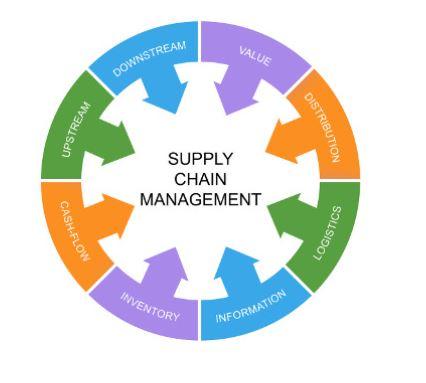
Supply chain management (SCM) has become a vital function in modern businesses, especially as global markets evolve and consumer expectations shift. The complexity of managing supply chains requires a diverse set of skills and techniques that enable professionals to navigate challenges effectively. This article explores the essential skills and techniques needed in supply chain management, emphasizing their importance in optimizing operations and ensuring business success.
Essential Skills for Supply Chain Management
- Communication Skills Effective communication is fundamental in SCM. Professionals must interact with various stakeholders, including suppliers, customers, and internal teams. Strong communication skills facilitate negotiation, conflict resolution, and collaboration, ensuring that everyone is aligned on objectives and expectations. Competency levels can range from basic communication to advanced negotiation techniques.
- Problem-Solving Abilities Supply chain professionals often face complex issues that require innovative solutions. Problem-solving skills involve analyzing data, identifying root causes, and developing actionable strategies to address challenges. This skill set is crucial for managing disruptions and optimizing processes.
- Time Management Managing time effectively is critical in supply chain operations. Professionals must coordinate delivery schedules, manage inventory levels, and handle unexpected delays. Strong time management skills help ensure that goods are delivered on time, which is essential for maintaining customer satisfaction.
- Leadership Skills Leadership is vital for motivating teams and driving performance in SCM. Effective leaders set clear goals, provide guidance, and foster a collaborative environment. Leadership skills also encompass strategic planning and change management, enabling professionals to navigate organizational shifts.
- Risk Management Understanding risk management principles is essential for anticipating potential disruptions in the supply chain. Professionals must identify risks related to transportation, supplier reliability, and market fluctuations. Developing contingency plans ensures resilience and continuity in operations.
- Data Analysis In an era of big data, analytical skills are increasingly important in SCM. Professionals must analyze large volumes of data to derive insights that inform decision-making processes. This includes evaluating shipping routes, identifying inefficiencies, and optimizing inventory levels.
- Logistics Knowledge A solid understanding of logistics is crucial for managing the flow of goods from suppliers to customers. This includes knowledge of transportation modes, warehousing practices, and distribution strategies. Logistics skills help ensure efficient operations and cost-effective solutions.
- Operations Management Skills in operations management encompass all activities related to producing goods or services. This includes coordinating production processes, managing workflows, and overseeing quality control measures. Proficiency in operations management allows SCM professionals to create efficient systems that enhance productivity.
- Project Management Project management skills are essential for overseeing supply chain initiatives from conception to execution. This involves planning resources, timelines, and budgets while ensuring that projects align with organizational goals.
- Compliance Knowledge Understanding regulatory requirements is crucial for maintaining compliance within the supply chain. Professionals must be aware of local and international laws governing trade practices, safety standards, and environmental regulations.
Techniques for Effective Supply Chain Management
- Lean Manufacturing Implementing lean principles helps eliminate waste and enhance value in production processes. By focusing on value-added activities and streamlining operations, companies can reduce costs while improving product quality.
- Inventory Optimization Advanced inventory management techniques are vital for balancing supply with demand. Techniques such as Just-In-Time (JIT) inventory can reduce holding costs while ensuring product availability.
- Supplier Relationship Management Building strong relationships with suppliers fosters collaboration and trust. Effective supplier management involves regular communication, performance evaluations, and strategic partnerships that enhance supply chain efficiency.
- Demand Forecasting Accurate demand forecasting enables businesses to anticipate customer needs effectively. Utilizing historical data and market trends helps optimize inventory levels and production schedules.
- Technology Integration Leveraging technology such as Warehouse Management Systems (WMS) and Enterprise Resource Planning (ERP) software enhances visibility across the supply chain. These tools facilitate real-time tracking of inventory levels, order status, and logistics performance.
- Continuous Improvement Practices Adopting a culture of continuous improvement encourages organizations to regularly evaluate processes for efficiency gains. Techniques like Six Sigma can help identify areas for enhancement while minimizing errors.
Conclusion
The landscape of supply chain management is evolving rapidly due to technological advancements and changing market dynamics. To thrive in this environment, professionals must develop a comprehensive skill set that includes communication, problem-solving, data analysis, risk management, logistics knowledge, and leadership abilities. By mastering these essential skills and employing effective techniques such as lean manufacturing, inventory optimization, and technology integration, supply chain professionals can enhance operational efficiency while contributing to their organization's overall success. Continuous learning and adaptation will be key as the field continues to evolve in response to global challenges and opportunities.
Post Your Ad Here
Comments