A Guide to Sourcing High-Quality Recyclable Paper Bowls for Foodservice Businesses
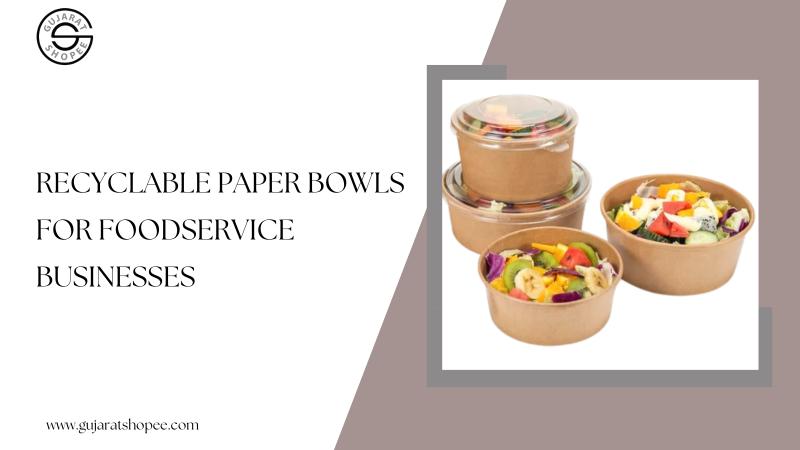
As environmental concerns continue to grow, foodservice businesses are seeking ways to reduce their carbon footprint and transition to more sustainable practices. One of the most significant changes businesses can make is switching from single-use plastic containers to recyclable and eco-friendly alternatives. In this context, recyclable paper bowls for foodservice businesses have gained immense popularity.
Not only are these bowls an environmentally conscious choice, but they also offer convenience, functionality, and cost-effectiveness for restaurants, caterers, food trucks, and other foodservice operations. But how do you ensure that you’re sourcing high-quality recyclable paper bowls for your foodservice business? This comprehensive guide will walk you through everything you need to know about sourcing the best paper bowls, from understanding their benefits to finding reliable suppliers.
Why Choose Recyclable Paper Bowls for Foodservice Businesses?
Before diving into sourcing, it's essential to understand why recyclable paper bowls for foodservice businesses have become the go-to solution for so many establishments.
1. Environmental Benefits
The most compelling reason to switch to recyclable paper bowls is their positive environmental impact. Traditional plastic bowls can take hundreds of years to decompose in landfills. In contrast, paper is biodegradable and, when sourced from sustainable materials, can be easily recycled. Recyclable paper bowls help reduce waste and lower your business's environmental footprint.
- Reduction in Plastic Waste: By choosing paper over plastic, you're contributing to the reduction of plastic waste that ends up in our oceans and landfills.
- Biodegradability: Recyclable paper bowls are compostable and biodegradable, breaking down naturally when disposed of in the right conditions.
- Sustainable Sourcing: Many high-quality paper bowls are made from renewable resources like trees or agricultural fibers, ensuring sustainable harvesting practices.
2. Health and Safety
Food safety is a top priority in the foodservice industry. Recyclable paper bowls, especially those certified as food-safe, are free from harmful chemicals such as BPA and phthalates, which can sometimes be present in plastic containers. These bowls are made from natural fibers, making them a safer option for serving food, especially hot foods and liquids.
3. Customer Preferences
More customers are becoming conscious of their environmental impact, and many actively choose businesses that align with their values. By offering recyclable paper bowls, you not only meet environmental standards but also appeal to eco-conscious customers who prefer to support sustainable businesses.
4. Cost-Effectiveness
Although recyclable paper bowls may have a slightly higher upfront cost than plastic alternatives, their long-term benefits make them a cost-effective choice for foodservice businesses. Paper bowls often come in bulk, reducing the need for frequent repurchasing. Moreover, they are typically lighter than plastic bowls, resulting in savings on shipping and storage.
5. Versatility
Recyclable paper bowls are highly versatile and can be used in various foodservice settings. Whether you are running a fast-casual restaurant, a catering business, or a food truck, paper bowls are ideal for serving soups, salads, pastas, snacks, and other food items. They come in various sizes, shapes, and designs, allowing you to find the perfect fit for your business.
Key Considerations When Sourcing Recyclable Paper Bowls
Once you've decided to switch to recyclable paper bowls for your foodservice business, the next step is sourcing the right products. However, it’s essential to consider several factors to ensure you're choosing high-quality and sustainable paper bowls that meet your needs. Here are some of the most critical aspects to keep in mind:
1. Material and Quality of Paper
The material used in the production of paper bowls is crucial. High-quality recyclable paper bowls are often made from virgin paper or post-consumer recycled paper. Some manufacturers also use agricultural fibers such as sugarcane or bamboo, which are more sustainable alternatives to traditional wood-based paper.
- Virgin Paper: Made from newly harvested wood, virgin paper is more durable and holds up better with wet or oily foods.
- Recycled Paper: Using post-consumer recycled paper is an environmentally friendly option, as it reduces the demand for new raw materials and minimizes waste.
- Sugarcane (Bagasse): A byproduct of sugar production, sugarcane-based paper bowls are durable, sustainable, and compostable.
- Bamboo: Known for its fast growth and sustainability, bamboo-based paper bowls are eco-friendly and biodegradable.
2. Coating and Lining
While recyclable paper bowls are made from natural fibers, they often require a lining or coating to prevent leaks and to provide resistance against moisture and grease. The type of coating used is critical, as it can affect the recyclability of the product.
- PLA (Polylactic Acid): PLA is a biodegradable and compostable material derived from plants, often used as a coating for paper products. PLA-lined paper bowls are compostable in industrial composting facilities, making them an excellent option for environmentally-conscious foodservice businesses.
- PE (Polyethylene): PE coatings are made from plastic, which can hinder recyclability. Be sure to check the supplier’s information on the recyclability of PE-coated bowls.
- Wax Coating: Some paper bowls use a wax coating to enhance their water resistance. While wax coatings are usually biodegradable, they might not be as recyclable as other coatings.
When sourcing recyclable paper bowls, always ask suppliers for information regarding the type of coating and whether the product is fully recyclable in your local recycling program.
3. Size and Shape Options
Recyclable paper bowls come in various sizes and shapes to accommodate different types of food. Depending on your menu, you may need smaller bowls for side dishes or larger ones for soups and salads. Additionally, there are bowls designed for specific purposes, such as:
- Soup Bowls: These are deeper bowls with added insulation to hold hot liquids.
- Salad and Snack Bowls: Shallower bowls are ideal for salads, snacks, and other dry food items.
- Takeout Bowls: Some paper bowls come with lids for takeout and delivery, helping to minimize spills while keeping food fresh.
Ensure that the size and shape of the bowls you source meet the needs of your food offerings.
4. Customization and Branding
Customizable recyclable paper bowls allow you to add your brand logo, colors, and design, creating a more professional and cohesive brand experience. Custom branding can increase brand recognition and give your foodservice business a unique edge. Many suppliers offer printing services on their paper products, so you can choose the design that best reflects your brand identity.
5. Certifications and Standards
When sourcing recyclable paper bowls, it’s important to look for certifications that guarantee the product is environmentally friendly and meets safety standards. Here are a few certifications to look for:
- FSC (Forest Stewardship Council): This certification ensures that the paper comes from responsibly managed forests that provide environmental, social, and economic benefits.
- BPI (Biodegradable Products Institute): BPI certifies products that are compostable and meet the composting industry’s standards.
- FDA Compliance: If the bowls are intended for food use, make sure they meet FDA regulations regarding food safety.
6. Supplier Reputation and Reviews
Before placing an order, research potential suppliers of recyclable paper bowls. Look for businesses with a good reputation for quality, reliability, and customer service. Reading online reviews and asking for recommendations from industry peers can help you find trusted suppliers.
Check whether the supplier:
- Offers a wide range of recyclable paper bowl options.
- Has transparent product information (including the source of materials and coatings).
- Provides prompt customer support in case you have any questions or concerns.
7. Price and Bulk Discounts
Price is a crucial factor for most businesses, but it's important to balance cost with quality. While recyclable paper bowls might have a slightly higher initial cost than plastic alternatives, their environmental benefits and quality make them a smart long-term investment.
Look for suppliers who offer bulk discounts and flexible ordering options to help you save on costs. Many suppliers offer tiered pricing based on the quantity of bowls purchased, so ordering in bulk can help lower the overall cost per unit.
Where to Buy Recyclable Paper Bowls for Foodservice Businesses
Now that you know what to look for when sourcing recyclable paper bowls, it's time to explore the best places to purchase them. One excellent option is Gujarat Shopee, an online supplier offering a wide range of recyclable paper bowls for foodservice businesses. Gujarat Shopee specializes in providing high-quality, eco-friendly products for the foodservice industry, ensuring your business can meet sustainability goals without compromising on quality.
By working with reputable suppliers like Gujarat Shopee, you can easily source recyclable paper bowls for foodservice businesses that meet all the necessary criteria for durability, sustainability, and food safety.
Conclusion
Switching to recyclable paper bowls is a smart move for foodservice businesses that are looking to embrace sustainability and appeal to environmentally conscious customers. By considering factors such as material quality, coating options, certifications, and supplier reputation, you can ensure that you're sourcing high-quality recyclable paper bowls that will serve your business for years to come.
With the right supplier, like Gujarat Shopee, you can confidently integrate eco-friendly paper bowls into your operations, reduce your environmental footprint, and offer your customers a more sustainable dining experience.
Post Your Ad Here
Comments