Hazardous Waste Transport in BC: Safe & Compliant
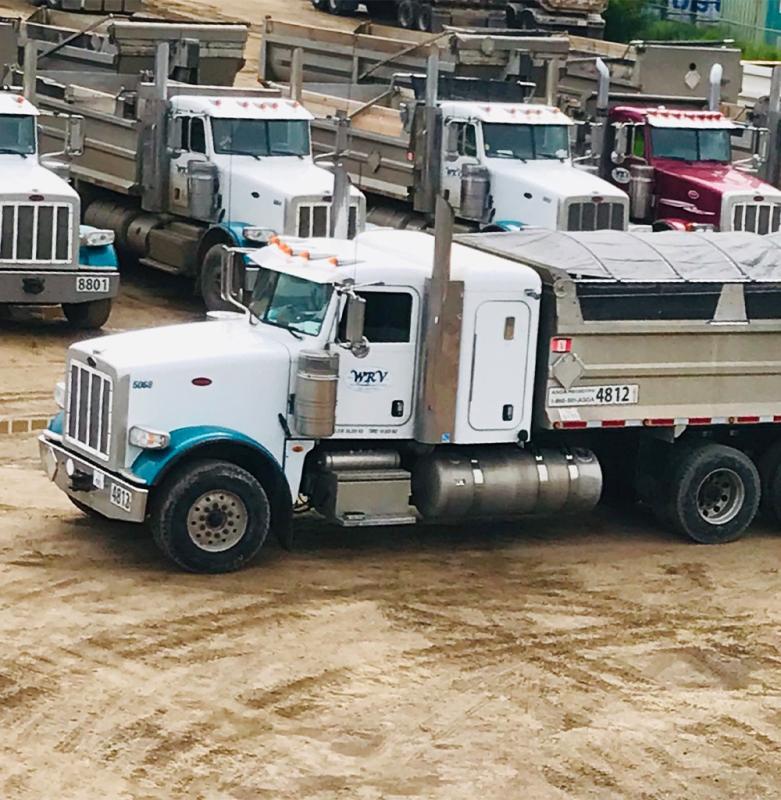
Due to the potential threat of these items, transporting hazardous waste with extreme care and caution is of the utmost importance. A Safe Journey: Navigating the Regulatory Landscape of Hazardous Material Transport in BC Transporting hazardous waste properly in BC is critical for risk minimization and regulatory compliance.
Hazardous Waste Transportation Regulations
The province of BC follows the rules laid out by federal and provincial regulation on how to manage hazardous waste. The Transportation of Dangerous Goods (TDG) Regulations set out requirements on how to safely transport hazardous materials including labeling, packaging, and handling procedures. Similarly, under BC's Environmental Management Act (EMA), waste generators and transporters are required to have appropriate permits and to adhere to stringent tracking and reporting requirements. Compliance is critical as it can lead to colossal fines, environmental issues, etc., so it is recommended to hire certified waste transporters—otherwise there may be a lack of concern for your e-waste disposal.
Selecting a trustworthy transporter
Tip 1:Check Credentials When Choosing a Hazardous Waste Transportation in BC TDG will be certified by reputable companies and follow all standards of EMA. Give them relevant paperwork as well, such as manifests, to trace waste from its point of origin to the final destination. This level of transparency holds people accountable and minimizes the chances of illegal dumping or mishandling of hazardous materials.
The Sustainability and Environmental Effect
Transportation of Hazardous Waste in BC – A Key Contribution to Protecting BC's Pristine Ecosystems Disposal in the right way, along with solid handling protocols, ensures that spills that may contaminate soil, water and wildlife habitats do not occur. To make sure that waste is disposed of or recycled in environmentally safe ways, and using eco-friendly transport vehicles, many companies also resort to the sustainable way.
The Post-Pandemic Era: Best Practices for Businesses Handling Hazardous Waste
Best practices to follow for businesses transporting hazardous waste in BC to ensure safety and compliance:
Waste classification: Classify a hazardous waste material accurately to act according to the TDG act.
Training and Education: Employees should be trained in safe handling and packaging of hazardous materials as well as emergency response procedures.
Certify with transporters: Work alongside affectation of safe and regulatory compliance record.
Document Properly: Keep comprehensive details records of all waste shipments to ensure you are being compliant and accountable.
Conclusion
One of the most important processes in BC is the transportation of hazardous waste, which is essential for protecting public health as well as the environment. With by adhering to regulatory guidelines, working with certified professionals, and adopting best practices, organizations can protect people while ensuring the safe and effective transportation of hazardous materials. Such assurance contributes to a safer and greener BC, while inspiring trust and confidence with clients and regulators alike.
Mike Gibbs is the author of this article. For more details about Land Reclamation Alberta please visit our website: whiterocktrucking.ca
Post Your Ad Here
Comments