What is Armored Patch Cable? It can Be direct-Buried or not?
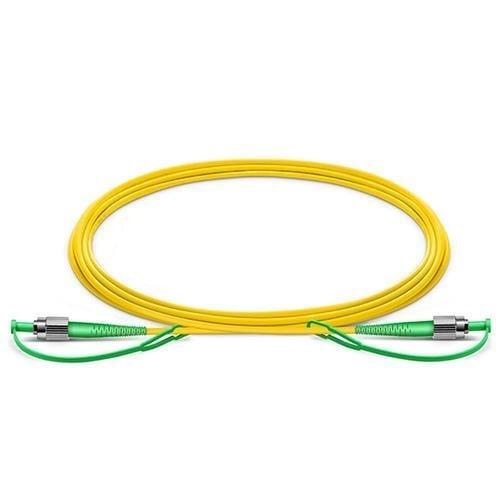
The armored patch cable is a robust and versatile cabling solution, designed to withstand harsh environments. Its tough outer armor provides exceptional protection against physical damage, environmental factors, and rodent interference. While it’s often used in challenging industrial and outdoor settings, many people wonder whether these cables need to be buried, and if so, how deep and what precautions to take during installation.
Fibermart will answer these questions by breaking down when burial is necessary, how to bury an armored patch cable properly, and its benefits compared to above-ground installations.
Ⅰ. What Is an Armored Patch Cable?

An armored patch cable is a fiber optic or Ethernet cable with an additional protective layer, often made of steel or aluminum, surrounding the internal fibers or conductors. This armor protects the cable from physical damage, moisture, crushing, and even rodent chewing, making it an ideal solution for rugged environments.
Key Features
Durability: Resistant to cutting, crushing, and environmental wear.
Flexibility: Modern designs are flexible enough for routing in tight spaces.
Versatility: Suitable for both indoor and outdoor use, especially in industrial or outdoor networking projects.
Compared to other cabling options, such as an optical fiber patch cord, the armored patch cable is better suited for installations where the cable is exposed to harsh conditions or potential physical risks.
Ⅱ. When Does an Armored Patch Cable Need to Be Buried?
The need to bury an armored patch cable depends on the specific installation scenario:
Outdoor Applications
In outdoor environments, cables are exposed to threats such as weather, UV radiation, water, and physical damage from machinery or wildlife. While armored patch cables are built to handle many of these challenges, burying them provides additional protection.

Direct Burial: If the cable is installed directly underground without a protective conduit, you must use a direct burial-rated armored patch cable. These cables are designed with waterproof and corrosion-resistant outer layers to protect the internal conductors from soil and moisture.
Conduit Installation: When using a conduit, burial is still recommended to shield the cable and conduit from external impacts, water, or temperature changes.
Indoor Applications
In indoor settings, such as data centers, warehouses, or office environments, burying an armored patch cable is unnecessary. The armored layer alone offers sufficient protection against potential risks, such as accidental cuts, foot traffic, or contact with heavy machinery.
Ⅲ. How to Properly Bury an Armored Patch Cable
If you decide to bury your armored patch cable, following proper installation guidelines is essential to ensure its longevity and performance.
a) How Deep Should the Cable Be Buried?
The recommended burial depth for an armored patch cable depends on the local regulations and the level of risk for physical interference. However, general guidelines include:
Minimum Depth: 12–24 inches (30–60 cm) for areas with minimal risks, such as private property with no heavy traffic.
High-Risk Areas: 36 inches (90 cm) or deeper in areas where heavy machinery or vehicles frequently operate.
Frost Line Consideration: In regions with extreme winters, bury the cable below the frost line to prevent damage from freezing and thawing cycles.
b) Steps for Proper Burial
1. Plan the Route:
Identify the cable’s installation path and ensure it avoids obstacles like rocks, utility lines, and tree roots.
Consult local building codes and regulations to ensure compliance.
2. Dig the Trench:
Use a trenching tool to create a straight and level path for the cable.
Ensure the depth matches the requirements of the environment (see above).

3. Prepare the Trench Base:
Remove any sharp rocks or debris that might damage the cable over time.
Consider adding a layer of sand (about 2–3 inches) to provide a smooth base for the cable.
4. Install the Cable:
If using a direct burial-rated armored patch cable, lay it directly in the trench.
If installing the cable inside a conduit, ensure the conduit is securely sealed to prevent moisture entry.
5. Backfill the Trench:
Cover the cable with a layer of sand to provide cushioning.
Add soil in layers, compacting gently as you go to prevent future sinking.
6. Mark the Installation:
Place a warning tape above the cable before fully backfilling the trench. This tape alerts future excavators to the presence of a buried cable.
Ⅳ. Benefits of Burying an Armored Patch Cable
While armored patch cables are designed to perform reliably in tough conditions, burying them can provide several advantages:
1. Additional Protection: Burial reduces exposure to UV radiation, temperature fluctuations, and accidental impacts from heavy equipment.
2. Aesthetic Improvement: Hides cables from view, ensuring a cleaner and more organized appearance in outdoor spaces.
3. Reduced Maintenance: Underground cables are less likely to be damaged by wildlife, weather, or human activity.
4. Security: Burial minimizes the risk of tampering or accidental disconnection.
Ⅴ. Partnering with a Reliable Fiber Optic Supplier
Sourcing your cables from a trusted fiber optic supplier ensures that you receive products that meet high-quality standards for durability and performance. A reliable supplier will also offer guidance on choosing the right cable for your specific requirements, such as whether you need direct burial-rated cables or additional protective measures.
What to Look for in a Supplier:
Wide Range of Products: Ensure the supplier offers a variety of options, including armored patch cables and optical fiber patch cords.
Customization: Choose a supplier that can tailor cables to your required specifications (e.g., length, connectors).
Technical Support: Look for a supplier that provides installation advice and after-sales support.
Positive Reputation: Check customer reviews and testimonials to verify reliability.

Conclusion
The armored patch cable from Fiber-Mart is a durable and versatile solution for both indoor and outdoor networking. While its tough armor provides sufficient protection for many scenarios, burying the cable adds an extra layer of security and longevity in outdoor environments. When burying, proper depth and installation techniques are critical to ensure the cable remains protected and performs optimally.
Whether you need a buried armored cable for outdoor networks or a standard cable for indoor use, always consult with a reputable fiber optic supplier to find the right solution for your project. By following proper guidelines and choosing high-quality products, you can ensure a reliable and long-lasting network installation.
Post Your Ad Here
Comments