DJI Mavic 3 Multispectral vs DJI Matrice 350 RTK: Which Drone Suits Your Needs Best?
Drones have revolutionized numerous industries, becoming indispensable tools for tasks ranging from agriculture to complex enterprise operations. Among the most sought-after drones in the professional market are the DJI Mavic 3 Multispectral and the DJI Matrice 350 RTK. These two models offer specialized features tailored to different operational requirements. This in-depth comparison will explore every aspect of these two drones, helping you determine which model best suits your professional needs.
Design and Portability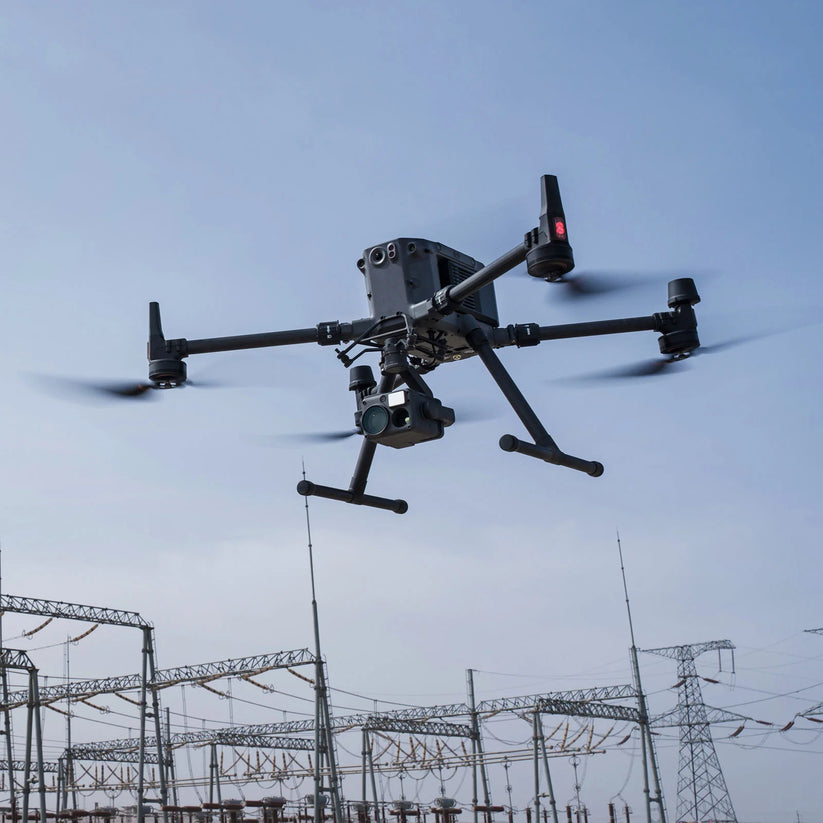
The DJI Mavic 3 Multispectral is known for its compact, foldable design, making it exceptionally portable. Its lightweight structure ensures easy transportation, ideal for fieldwork where mobility matters most. This design choice makes the Mavic 3 Multispectral particularly suited for agricultural use, where moving between large fields and locations is essential.
On the other hand, the Matrice 350 RTK is a more substantial drone built for industrial and enterprise use. Its larger frame accommodates a broader range of payloads and offers superior durability. The Matrice 350 RTK's design includes enhanced weather resistance, making it ideal for demanding environments like construction sites, infrastructure inspections, and search and rescue operations.
Camera and Imaging Capabilities
The Mavic 3 Multispectral is equipped with a 20MP RGB camera alongside a multispectral camera system comprising four sensors (green, red, red edge, and near-infrared). This multispectral imaging capability is particularly beneficial for agricultural and environmental monitoring, allowing farmers and researchers to assess crop health and detect issues with plant stress early.
Conversely, the Matrice 350 RTK is more versatile in its imaging capabilities due to its customizable payload system. It supports multiple high-resolution cameras and sensors, including the Zenmuse series, which can be interchanged depending on the task at hand. This adaptability makes the Matrice 350 RTK suitable for tasks like high-resolution mapping, industrial inspections, and critical infrastructure monitoring.
Flight Performance and Battery Life
Flight performance is critical when comparing these two models. The Mavic 3 Multispectral offers a maximum flight time of approximately 43 minutes, optimized for agricultural tasks requiring extended coverage over large fields. Its efficiency allows it to cover up to 200 hectares on a single battery cycle, making it perfect for surveying expansive farmland.
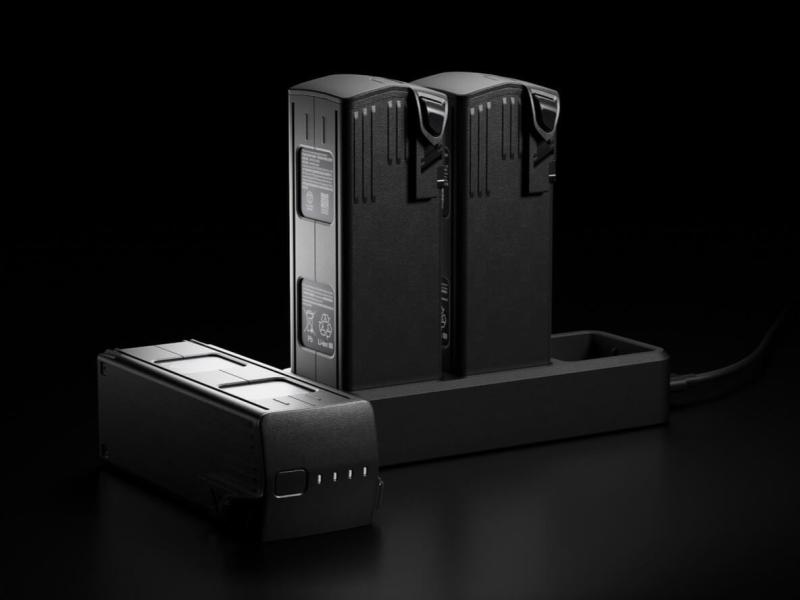
The Matrice 350 RTK, however, boasts a more substantial flight time with its dual battery system, providing up to 55 minutes of flight time. The longer battery life, combined with a higher payload capacity, enables the Matrice 350 RTK to handle more complex operations where extended airtime is essential, such as long-duration inspections or search and rescue missions.
Precision and Accuracy
Both drones are equipped with advanced RTK (Real-Time Kinematic) technology, ensuring centimeter-level positioning accuracy. This feature is essential for tasks like mapping, surveying, and precision agriculture.
The Mavic 3 Multispectral includes a built-in RTK module, providing highly accurate geospatial data, which is crucial for agricultural monitoring and crop management.
The Matrice 350 RTK, however, offers a more advanced dual-antenna RTK system, providing even higher positional accuracy and enhanced stability, especially useful for industrial inspections and tasks requiring utmost precision.
Use Cases and Applications
The applications of both drones are diverse, but each excels in specific areas:
Mavic 3 Multispectral:
Ideal for agricultural monitoring
Crop health analysis
Environmental research
Land surveying for farms
Matrice 350 RTK:
Industrial inspections
Infrastructure mapping
Construction site monitoring
Public safety and search & rescue operations
Durability and Build Quality
Durability can make a significant difference, especially in rugged environments. The Matrice 350 RTK is engineered for heavy-duty use, featuring a weather-resistant frame capable of withstanding rain, dust, and extreme temperatures. Its robust build ensures reliability in harsh conditions, making it a preferred choice for industrial and emergency services.
While the Mavic 3 Multispectral is also well-built, it lacks the extreme weather resistance of the Matrice 350 RTK. It is more suited for agricultural applications where the environment is generally less demanding.
Software and Control Options
Both drones support DJI's industry-leading flight control software. The Mavic 3 Multispectral uses the DJI Pilot app, which provides intuitive control for agricultural tasks with features like automated flight planning and real-time crop analysis.
The Matrice 350 RTK also uses the DJI Pilot app but adds advanced options for payload control and mission planning. It supports multiple payload configurations, enhancing its versatility for various professional applications.
Price and Value
Price plays a significant role in the decision-making process. The Mavic 3 Multispectral is a more budget-friendly option tailored for agricultural professionals who need specialized tools for crop monitoring and analysis. Its affordability, combined with targeted features, makes it a valuable investment for agricultural businesses.
The Matrice 350 RTK, on the other hand, commands a higher price due to its versatility, durability, and extended flight capabilities. Its higher cost reflects its broader range of applications and the ability to handle more demanding tasks across multiple industries.
Conclusion
Choosing between the DJI Mavic 3 Multispectral and the DJI Matrice 350 RTK ultimately depends on your specific professional needs. If you require a portable, specialized drone for agricultural monitoring and crop health analysis, the Mavic 3 Multispectral is the ideal choice. However, if your operations demand a versatile, heavy-duty drone with customizable payloads and extended flight time, the Matrice 350 RTK stands out as the superior option.
By carefully assessing your operational requirements, you can make an informed decision to maximize efficiency and productivity with the right drone technology for your field.
Post Your Ad Here
Comments