The Road Ahead: How the Electric Vehicle Market is Driving Innovation and Industry Transformation
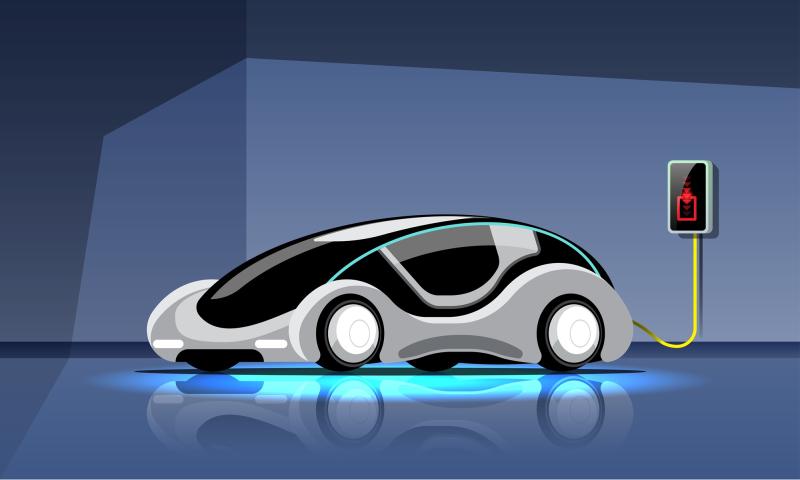
The electric vehicle (EV) market is a beacon of transformation in the automotive industry, ushering in a sustainable and technologically advanced era. As global concerns about climate change and energy efficiency grow, EVs are becoming central to policy initiatives, consumer preferences, and industrial innovation. This article explores the upcoming trends in the EV market, provides key data insights, highlights market segmentation, and demonstrates how various industries are leveraging these trends to stay competitive.
Electric Vehicle Market: A Snapshot
The global electric vehicle market has witnessed robust growth over the past decade, driven by advancements in technology, supportive government policies, and a shift in consumer preferences. According to recent projections:
The EV market is expected to grow at a CAGR of 23.1% from 2024-2033.
The market is estimated to reach a valuation of $1.5 trillion by 2033, surpassing 10 million units in 2022.
Regions like North America, Europe, and Asia-Pacific are leading the charge in EV adoption, with emerging economies joining the momentum.
Key Trends Shaping the EV Market
Technological Innovations in Battery Technology:
Solid-State Batteries: Offering greater energy density and faster charging times, solid-state batteries are set to replace conventional lithium-ion batteries.
Battery Recycling: Companies are investing in recycling facilities to address sustainability and reduce reliance on raw materials.
Expansion of EV Charging Infrastructure:
Governments and private players are aggressively building fast-charging networks to support long-range EVs.
Wireless and ultra-fast charging technologies are becoming mainstream, enhancing convenience for EV users.
Growth in EV Models Across Segments:
Automakers are launching a wide range of EVs, from compact cars and SUVs to luxury sedans and commercial vehicles, to cater to diverse consumer needs.
Electric trucks and buses are gaining traction in logistics and public transportation.
Focus on Sustainability:
EV manufacturing is increasingly adopting eco-friendly practices, such as using recycled materials and renewable energy sources in production processes.
Integration of renewable energy in EV charging stations is aligning the industry with global carbon reduction goals.
Policy Support and Incentives:
Governments are rolling out subsidies, tax credits, and grants to encourage EV adoption.
Stricter emission regulations are driving automakers to accelerate the transition to electric mobility.
Autonomous and Connected EVs:
Combining EV technology with autonomous driving is revolutionizing personal and shared mobility.
Vehicle-to-Everything (V2X) communication is improving road safety and traffic management.
Request for a sample research report on the electric vehicle market
Electric Vehicle Market Segmentation
By Vehicle Type:
Passenger Vehicles
Commercial Vehicles
Two and Three Wheelers
By Charging Type:
AC Charging
DC Fast Charging
Wireless Charging
By Propulsion Type:
Battery Electric Vehicles (BEVs)
Plug-in Hybrid Electric Vehicles (PHEVs)
Fuel Cell Electric Vehicles (FCEVs)
By Region:
North America
Europe
Asia-Pacific
Rest of the World
How Industries Are Leveraging the EV Trend
Automotive Manufacturers:
Leading car makers like Tesla, BMW, and Toyota are setting benchmarks in EV innovation.
Legacy automakers are investing heavily in R&D and forming strategic partnerships to expand their EV portfolios.
Energy Companies:
Energy providers are integrating renewables into EV charging infrastructure.
Oil and gas companies are diversifying into EV charging networks to future-proof their business.
Technology Firms:
Tech giants like Google and Apple are exploring opportunities in autonomous and connected EV solutions.
Companies are investing in AI-powered systems for efficient EV battery management.
Supply Chain and Logistics:
Logistics providers are adopting electric trucks and vans to meet sustainability goals and reduce operating costs.
Cold chain logistics are seeing innovations in temperature-controlled electric vehicles.
Financial Institutions:
Banks and fintech companies are offering tailored financing solutions and insurance products for EV buyers.
Green bonds and investments in EV startups are on the rise.
Get more insights on the Automotive Market Research Reports.
Challenges and Opportunities in the EV Market
Despite its rapid growth, the EV market faces certain challenges:
High Initial Costs: EVs are generally more expensive than traditional vehicles due to battery costs.
Battery Recycling and Raw Material Sourcing: Sustainability concerns around lithium and cobalt mining need to be addressed.
Charging Infrastructure Gaps: Developing a robust charging network in rural and remote areas remains a hurdle.
Consumer Awareness and Acceptance: Education about EV benefits and addressing range anxiety is crucial for mass adoption.
Future opportunities and predictions:
EV Penetration in Emerging Economies: Countries like India, Brazil, and South Africa present immense growth potential for EV adoption as infrastructure develops.
Innovations in Battery Technology: Breakthroughs in solid-state batteries and graphene-based technologies will lower costs and increase EV efficiency.
Growth of Shared and Public Electric Mobility: Ride-sharing companies are expanding EV fleets to reduce operational costs and enhance sustainability.
Expansion of Second-Life Battery Applications: Used EV batteries are finding applications in renewable energy storage and other industries, promoting circular economy practices.
Conclusion
The electric vehicle industry is reshaping the future of transportation, offering a sustainable, innovative, and efficient alternative to traditional vehicles. With advancements in technology, supportive policies, and increasing consumer acceptance, the EV market is set to reach new heights in the coming years.
Industries across sectors are seizing this opportunity to lead in the competitive landscape, leveraging trends like autonomous driving, connected mobility, and renewable energy integration. As the market continues to evolve, the transition to electric mobility will play a crucial role in achieving global sustainability goals.
Post Your Ad Here
Comments