Experience the Magic of Hologram Stages - Perfect for Events, Concerts
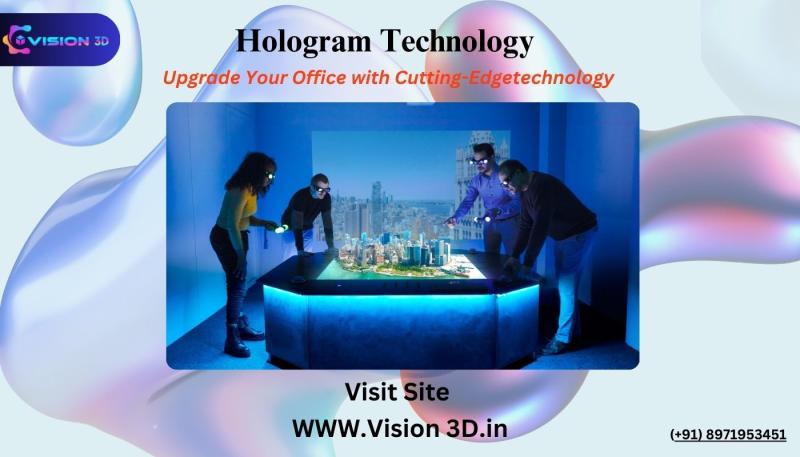
Holographic technology has changed the way events, concerts, and trade shows are enjoyed. It creates awe-inspiring 3D images that appear suspended in the air. These holograms really grab attention and create interesting events. This article will focus on a hologram stage, how they have been used and what is cutting-edge technology that makes these so great for events today.
Hologram Stage Overview
A holographic stage hires cutting-edge laser projection of polymer-made sill display that generates life-sized hologram pictures. This technique enables holographic projection in different sizes and shapes to obtain a deep impact which can appear up to 2 meters into viewer space. This originality and depth improve by utilizing different layers of polymer silk that make holograms appear captivating to watchers.
Applications in Events
A stage hologram is broadly used across many kinds of events.
Concerts - In 2012, there was an event in which a renowned music festival known as Coachella had a hologram of a rapper named Tupac Shakur. He performed with live artists even though this man had died a long time ago. People were amazed and said that the hologram flushes back into existence a historic artist. The discussion also initiated holograms of other deceased artists for future concerts.
Product Launches - Now, many brands flaunt their products in glorious style using holograms. Let's say luxury car brands which would show three-dimensional modeling of a completely new car. So, one could interact with every element of the car, which attracts more attention and arouses the experience of customers without even being there with it.
Trade Shows - An exhibition becomes a fun interactive experience with holographic displays. People could reach into interactive images and animations, making it easier for someone to get into complexity. It is most useful at education or technology shows where the explanation is extensive.
Thematic Events - Holograms create specific-type atmospheres related to certain themes. So hiding some elements in stage designs to this theme will give event planners the making of memorable experiences, connecting with the audience in unique ones.
Technical Innovations Behind Holographic Stages
A 3D hologram stage is a special display that uses advanced technology and careful planning.
Content Creation - Initially, we prepare the 2D images. These will be later converted into holographic representations. Unlike the real application of holography, which uses a projection of light from original 3D objects, many modern displays are implemented with clever animations or video effects. These presentations are often designer-made at specific angles so that when shown on a special screen, they will appear in 3D.
Projection Systems - The holographic display uses a clear screen or surface reflecting the emitted lights at particular angles. The light hitting these surfaces creates an illusion-it looks like real floating images are in the air. This reflection is the key ingredient for arousing the excitement that viewers feel and need in an engaging visual.
Interactive Features - Many holographic systems are interactive by nature. The implication of this is that the projection images can be touched or moved by users. It makes the experience more entertaining as it allows peer users to explore virtual objects or presentations in a fun way.
Benefits of Holographic Technology
Several advantages are offered by a holographic stage for event organizers.
Boosted Engagement - Holograms argue for the eyes. They offer really wonderful events that no amount of displays can achieve. People would desire to be part of the excitement and recall what they see.
Memorable Experiences - Events with holograms become more memorable. Their strange look makes participants feel the need to share their experiences on social media. This then helps more visibility for brands and events.
Flexibility - Holographic technology has a versatile utility ranging from small gatherings to grand concerts. It is therefore applicable to events of different kinds.
Innovative Storytelling - Interesting stories can be told using holograms. Hologram organizers can use active images to connect with audiences for better understanding and emotional ties to the topic.
Challenges and Considerations
Indeed, while such benefits are quite real, challenges are possible when implementing holographic technology.
Technical Complexity - Preparing a hologram stage is not an easy job. It takes special knowledge and equipment. Event planners should have projection systems and skilled technicians to handle the technology.
Cost Implications - Holographic technology can be very costly because of its expense over ordinary event setups. Nevertheless, most organizations would consider it worthy since this would maximize engagement and brand visibility.
Venue Specifications - A venue should be suitably prepared before the hologram displays are set into motion. Of course, light plays a crucial factor on the part of the organizers who must factor this into their plans to achieve the best possible visuals.
Conclusion
A stage hologram makes history in the development of event staging. They open multimedia channels for creativity and engaging audiences. As technology advances, we will witness more powerhouses using holograms such as concerts, trade fairs, and events all around the globe. Event planners will use this wonderful technology to achieve memorable experiences that go beyond the event. A chance to see the magic of holograms come to life! To know more about holographic displays, get in touch with Vision3D customer care number - +91-8971953451.
Post Your Ad Here
Comments