The Role of Deep Brain Stimulation (DBS) in Managing Parkinson’s Disease
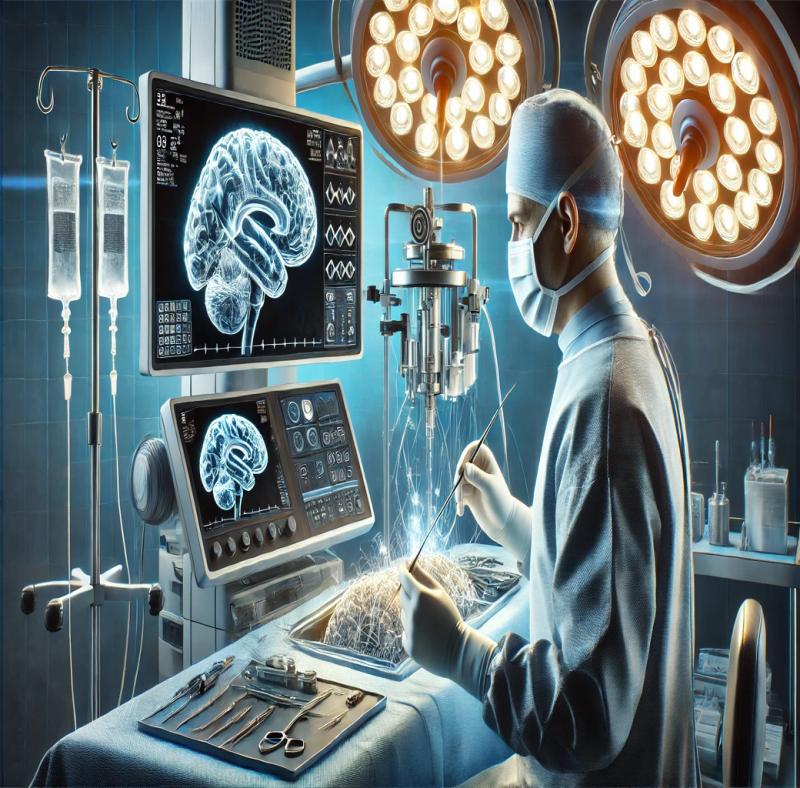
Parkinson’s disease (PD) is a progressive neurological disorder that affects millions of people worldwide. Characterized by symptoms such as tremors, rigidity, bradykinesia (slowness of movement), and postural instability, the disease significantly impacts the quality of life of those who suffer from it. While there is no cure for Parkinson’s disease, advancements in medical technology have provided innovative ways to manage its symptoms effectively. One such breakthrough is Deep Brain Stimulation (DBS), a surgical treatment that has revolutionized the approach to managing Parkinson’s symptoms in patients who no longer respond well to medications. If you're considering DBS, consulting with the best neurosurgeon in Ahmedabad is crucial for optimal outcomes.
This article explores the role of Deep Brain Stimulation in managing Parkinson’s disease, discussing how the procedure works, its benefits, patient selection criteria, risks, and the future of this life-changing therapy.
Understanding Deep Brain Stimulation (DBS)
Deep Brain Stimulation is a neurosurgical procedure where electrodes are implanted in specific areas of the brain. These electrodes are connected to a pulse generator, similar to a pacemaker, which is placed under the skin in the chest. The generator sends electrical impulses to the targeted brain areas, helping regulate abnormal brain activity and alleviate motor symptoms of Parkinson’s disease.
The most common targets for DBS in Parkinson’s patients are:
Subthalamic Nucleus (STN): A small cluster of neurons that play a role in regulating motor functions. Stimulating this area can significantly reduce tremors and other motor symptoms.
Globus Pallidus Interna (GPi): Another area of the brain involved in controlling movement. DBS targeting this area can improve motor function and reduce dyskinesias (involuntary movements).
Thalamus: Often targeted in patients where tremor is the primary symptom.
How Does DBS Work?
n Parkinson’s disease, there is a decrease in dopamine levels in the brain, leading to abnormal neuronal activity. Medications like levodopa aim to replenish dopamine or mimic its effects, but as the disease progresses, these medications become less effective and may cause side effects like dyskinesia.
DBS treatment (Deep Brain Stimulation) does not replace dopamine but modulates the electrical signals in specific brain areas to restore a more balanced neuronal activity. By delivering controlled electrical pulses, DBS interrupts abnormal brain signals that cause motor symptoms, offering significant symptom relief and improving the overall quality of life.
Benefits of Deep Brain Stimulation
DBS has proven to be highly effective in managing Parkinson’s disease, especially for patients whose symptoms are no longer adequately controlled by medication. Some of the key benefits of DBS include:
Improved Motor Symptoms: DBS can significantly reduce tremors, stiffness, and slowness of movement, allowing patients to regain better control over their bodies.
Reduction in Medication: Many patients are able to reduce their reliance on Parkinson’s medications after DBS, which can, in turn, reduce side effects like dyskinesias.
Improved Quality of Life: With better motor control, patients often report an improved ability to perform daily activities and experience a greater sense of independence.
Customizable Therapy: The DBS device can be adjusted and programmed to suit individual needs, ensuring optimal symptom management over time.
Reversible Procedure: Unlike some other surgical treatments, DBS is reversible. The device can be turned off or removed if necessary.
Patient Selection for DBS
Not all Parkinson’s patients are suitable candidates for Deep Brain Stimulation. Careful evaluation by a multidisciplinary team of neurologists, neurosurgeons, and other specialists is necessary to determine eligibility. Generally, candidates for DBS meet the following criteria:
Advanced Parkinson’s Disease: DBS is usually considered when symptoms have progressed to a point where they are significantly impacting the patient’s quality of life and are not adequately managed by medication.
Response to Levodopa: Patients who have previously shown a positive response to levodopa but are now experiencing fluctuations or side effects are often good candidates.
Absence of Severe Cognitive Impairment: DBS is not recommended for patients with severe dementia or significant cognitive decline, as it may worsen these conditions.
Realistic Expectations: Patients and their families must have a clear understanding of what DBS can and cannot achieve. While it can significantly improve motor symptoms, it is not a cure for Parkinson’s disease.
The DBS Procedure
The DBS procedure typically involves the following steps:
Pre-Surgical Evaluation: Patients undergo a thorough evaluation, including brain imaging (MRI or CT scans), neurological assessments, and sometimes psychological testing to ensure suitability for DBS.
Surgery: The procedure is performed in two stages:
Electrode Implantation: The surgeon implants electrodes into the targeted area of the brain. This is often done under local anesthesia so that the patient can provide feedback to ensure correct electrode placement.
Pulse Generator Placement: A small device, known as a pulse generator, is implanted under the skin in the chest and connected to the electrodes.
Programming the Device: After surgery, the DBS device is programmed by a neurologist to deliver the appropriate electrical stimulation. This process may require several sessions to optimize the settings.
Follow-Up Care: Regular follow-ups are necessary to monitor the device and make adjustments as needed.
Risks and Side Effects of DBS
While DBS is generally safe, like any surgical procedure, it carries certain risks. Potential risks and side effects include:
Surgical Risks: Bleeding, infection, or complications related to anesthesia.
Device-Related Issues: Hardware complications such as lead displacement or battery failure.
Stimulation Side Effects: These may include speech problems, tingling sensations, or mood changes, but they can often be resolved by adjusting the device settings.
Cognitive or Psychiatric Changes: Some patients may experience temporary confusion, depression, or anxiety after DBS.
The Future of DBS in Parkinson’s Disease Management
Deep Brain Stimulation has come a long way since it was first approved for Parkinson’s treatment in the late 1990s. Ongoing research and technological advancements are making the procedure even more effective and accessible. Some promising developments include:
Adaptive DBS (aDBS): This next-generation technology uses real-time feedback from the brain to adjust stimulation levels automatically, ensuring optimal therapy with fewer side effects.
Wireless and Rechargeable Devices: Newer DBS systems feature wireless connectivity for easier adjustments and rechargeable batteries, reducing the need for frequent replacements.
Expanded Indications: Research is exploring the use of DBS for non-motor symptoms of Parkinson’s, such as depression, anxiety, and sleep disturbances.
Combination Therapies: DBS combined with other therapies like gene therapy or stem cell treatment may offer even greater benefits in the future.
Conclusion
Deep Brain Stimulation has transformed the landscape of Parkinson’s disease management, offering hope and relief to patients who struggle with debilitating symptoms. By modulating abnormal brain activity, DBS helps patients regain control over their movements and significantly improves their quality of life.
While it is not a cure, DBS serves as an effective option for carefully selected patients, particularly those who no longer respond well to medications. As research continues to advance, the future of DBS holds even greater promise, potentially expanding its benefits to more patients and improving outcomes further. For individuals living with Parkinson’s disease, DBS represents a beacon of hope in the journey toward better symptom management and enhanced quality of life.
If you or a loved one is seeking advanced treatment for Parkinson’s disease, consult Dr. Chirag Solanki, a leading expert in Parkinson’s disease treatment in Ahmedabad, Gujarat.
Post Your Ad Here
Comments