Arthritis and Lifestyle: How to Stay Active and Healthy
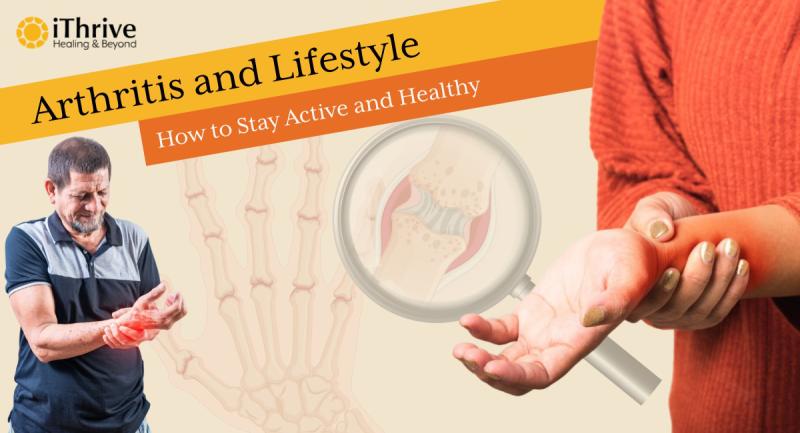
Meta Title: Arthritis and Lifestyle: How to Stay Active and Healthy
Meta Description: Discover the effective strategies for managing arthritis naturally through functional nutrition, a proper diet, joint-friendly exercises, and lifestyle changes to stay active and healthy.
Do you keep wondering questions like:
Staying Active and Healthy with Arthritis: How do you manage your lifestyle?
How can I stay physically active when my joints are in pain?
Can exercising worsen my arthritis?
Asking these questions can be a common experience for those who have struggled with arthritis. Millions of people worldwide are affected by arthritis, which comprises over 100 different ailments such as osteoarthritis (OA) and rheumatoid arthritis (RA). Although arthritis can be quite draining, it does not necessarily have to mean that you must give up your life. And living is no exception. Functional nutrition is a useful guide for reducing inflammation and protecting your joints while restoring your vitality. This blog will share practical tips on diet, exercise, and lifestyle changes that may help you manage arthritis symptoms while keeping your body healthy. And if you need proper support to manage your Arthritis you can book a free consultation with iThrive.
Why do people suffer from Arthritis?
What makes it so hard? "Why do my joints swell and hurt every morning?” Arthritis results from inflammation and can cause pain, stiffness or swelling. This is caused by cartilage wear-out in osteoarthritis and an autoimmune attack on joint tissues in rheumatoid arthritis. In both cases, chronic inflammation is a significant factor. Through the use of anti-inflammatory foods, supplements, and lifestyle changes, functional nutrition tries to get at the root cause. Let's look at these practical solutions.
Arthritis-Friendly Diet: Nourish Your Joints.
Can arthritis pain be influenced by the food I eat? Absolutely yes. Nutrition is one of the best ways to fight inflammation and promote joint health. A proper diet helps reduce pain, increase mobility, and improve general health.
What to eat.
Anti-Inflammatory Foods: Try to have a more omega-3-rich diet like fatty fish (salmon, mackerel, and sardines). These nutrients help reduce inflammation and keep joints moving. Use herbs like turmeric and ginger to reduce inflammation in the body.
Eat More Fruits and Vegetables: Think of a rainbow on your plate. Berries, leafy greens, carrots, and bell peppers contain high levels of antioxidants that counteract oxidative stress (damaging inflammation). Copper bacterium in broccoli and other vegetables, known as essential oils, can slow down cartilage damage in arthritis.
Whole Grains: Switch to whole grains, including quinoa and oats. While refined grains may trigger inflammation, fiber-rich whole grains are beneficial for the gut, which is a critical element in inflammation.
Healthy Fats: Avocados and extra virgin olive oil are good sources of monounsaturated fats, which are anti-inflammatory and good for the heart. Nuts and seeds like walnuts, flaxseedland, and chia could improve joint health by providing essential nutrients.
Foods Rich in Collagen: Bone broth and gelatin contain important collagen to repair cartilage and reduce stiffness. Avoid processed foods and sugars because they can exacerbate arthritis symptoms by stimulating inflammation. Fried and processed snacks, which contain trans fats, can increase inflammation levels. Excess salt intake can result in water retention and joint swelling, increasing the likelihood of excess sodium.
Can Supplements Help?
Certain supplements can help in enhancing your diet:
Omega-3 Fatty acids: They can help reduce inflammation and stiffness in the joints. Try iThrive Essentials Krill oil supplement which is effective in reducing inflammation.
Vitamin: This can help promote bone health and alleviate symptoms of RA. Try iThrive Essentials Vitamin D3+K2 supplement
Exercise and Arthritis: The Best Way to Manage
Many wonder if is it possible for my joints to be painful from exercising. There is a misconception that exercise can exacerbate arthritis. The right exercise program can lead to strengthening of the muscles, improved flexibility, and reduced joint stiffness.
Low-Impact Cardio: To keep your cardiovascular system healthy, it is recommended to walk, cycle, and swim without overexerting your joints. Water provides optimal support for weight loss, which also reduces joint stress, by hydrating your body and providing ample movement.
Strength Training: Building muscle around your joints provides you with added support and stability. Start with light weights or resistance bands and put it under the guidance of a trainer or physiotherapist.
Flexibility and Stretching: Regular yoga or Pilates can enhance flexibility, and balance and provide strength. With stretching, you can reduce stiffness and improve your flexibility.
Mind-Body Exercises: These exercises such as Tai Chi and Qigong allow for relaxation and joint health as they involve slow, flowing movements combined with mindfulness. Tips on exercising effectively with arthritis. Preparations include a warm-up session prior to the exercise. Do not perform activities like running and jumping that involve high impact. If you are in pain, seek medical care through your body and visit an expert.
Strategies for reducing arthritis symptoms through lifestyle
Besides dieting and exercising is there anything else that's going to make me feel better? The treatment of arthritis is more than food and movement. These lifestyle tips will help keep you healthy:
Weight Management: The more a person weighs, the more pressure is applied to the knees and hips, and this pressure causes increased arthritis pain. Regular exercise and diet can maintain a healthy weight and relieve strain on the joints.
Sleep Hygiene: A lack of sleep can cause an increase in inflammation and pain. Establish regular bedtime, ensure a comfortable night's rest, and avoid caffeine or screens before bedtime. Try to get 7-9 hours of rest every night.?
Stress Reduction: The inflammatory responses that arthritis symptoms can be triggered by stress. Reduce stress through the use of relaxation techniques such as meditation, deep breathing, or progressive muscle relaxation.
Stay Hydrated: Maintaining joint hydration is essential for maintaining good health. Drink 8-10 glasses of water a day, and infuse your diet with herbal teas or broths.
Conclusion
Thriving With Arthritis. The chronic nature of arthritis doesn't define your life necessarily. Follow a diet compatible with the presence of arthritis, add joint-supportive exercises and smart lifestyle habits that cut down on inflammation, and suddenly your life becomes more vibrant and free of pain.
If you are dealing with arthritis and need professional support book a free consultation with iThrive. At iThrive we practice functional nutrition, which provides a holistic approach to treating chronic diseases. At iThrive we focus on the root causes of your diseases and customize your diet, lifestyle interventions, and supplements based on the areas that need to be focused on.
Post Your Ad Here
Comments