How to Get More Viewers on Your Website.
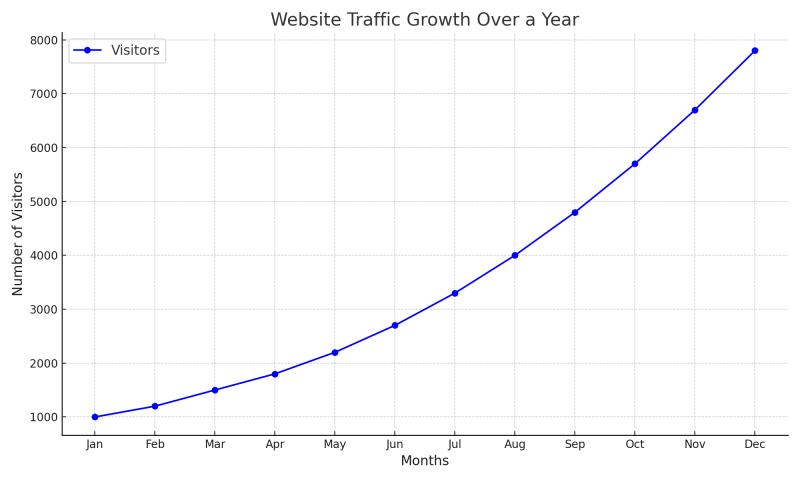
In today's digital age, having a website is only half the battle. The real challenge lies in driving traffic to your site and keeping visitors engaged. Whether you're running an online business, a personal blog, or a professional portfolio, understanding how to attract more viewers is essential for success. In this comprehensive guide, we'll explore proven strategies to increase your website traffic, ensuring your online presence thrives in 2025 and beyond.
1. Optimize for Search Engines (SEO)
Search Engine Optimization (SEO) remains one of the most effective ways to attract organic traffic to your website.
qqKeyword Research: Identify high-traffic, low-competition keywords related to your niche using tools like Google Keyword Planner or Ahrefs. For example, if you run a fitness blog, targeting keywords like "best workouts for beginners" or "home workout tips" can draw a more specific audience.
On-Page SEO: Optimize your website content with meta titles, descriptions, and headers that include your target keywords naturally. For instance, a blog post titled "10 Easy Home Workouts" should have a meta description like "Discover 10 simple and effective workouts you can do at home to stay fit."
Technical SEO: Ensure your website is mobile-friendly, has a fast loading speed, and uses proper schema markup. For example, if you sell products online, implementing structured data for reviews and pricing can improve your visibility in search results.
Content Quality: Publish high-quality, valuable content that answers the queries of your target audience. For example, an article titled "How to Plan a Budget-Friendly Vacation" should include actionable steps, tips, and resources that the reader can use immediately. Use infographics or video tutorials to make your content more engaging.
2. Leverage Social Media Platforms
Social media is a powerful tool to drive traffic to your website. Here's how to maximize its potential:
Content Sharing: Share your blog posts, articles, or product updates regularly on platforms like Facebook, Instagram, LinkedIn, and Twitter. For example, if you publish a blog on "5 Ways to Stay Fit at Home," post an engaging snippet or quote with a link to the full article.
Engagement: Interact with your audience through comments, polls, and live sessions to foster a community around your brand. For instance, host a live Q&A session where viewers can ask about your expertise, providing immediate value while promoting your website.
Visual Content: Use eye-catching visuals and videos to attract attention and increase shares. For example, create short, impactful videos summarizing your blog content or showcasing behind-the-scenes moments related to your business.
Hashtags: Use trending and niche-specific hashtags to expand your reach. For example, if you're promoting a travel-related blog, include hashtags like #TravelTips or #Wanderlust in your posts.
3. Invest in Content Marketing
Content marketing goes beyond blogging. It’s about providing value through a variety of content forms that truly resonate with your audience.
Start a Blog: Write articles on topics that interest your audience, using storytelling and personal anecdotes to make your content relatable. For example, if your audience is fitness enthusiasts, share your journey of achieving a fitness goal or debunk common myths about workouts.
Create Guides and E-books: Develop in-depth guides or downloadable e-books that provide actionable advice. For instance, if you’re in the tech space, create a guide titled "The Beginner’s Guide to Coding" that includes step-by-step tutorials and code snippets. Offer these resources in exchange for email sign-ups to grow your contact list.
Video Marketing: Leverage platforms like YouTube or TikTok to create engaging content such as "How-To" tutorials, product demonstrations, or behind-the-scenes looks at your process. For example, a chef could produce videos showing easy recipes for beginners, creating a connection with viewers while subtly promoting their culinary expertise or products.
4. Utilize Email Marketing
Email marketing is a direct and personal way to connect with your audience and drive repeat visits.
Build an Email List: Create opportunities for visitors to join your email list by offering something valuable in return. For example, a fitness website could provide a "7-Day Meal Plan" as a free download to subscribers. Use clear, strategically placed sign-up forms on your site to capture email addresses.
Personalized Campaigns: Segment your email list based on user interests, preferences, or browsing behavior. For example, if a user frequently reads articles about DIY crafts, send them an email with tailored content like "Top 5 Easy DIY Projects for Beginners."
Engaging Headlines: Write subject lines that pique curiosity or address a direct benefit. For example, instead of "Newsletter #5," use "Your Ultimate Guide to Weekend DIYs" or "Unlock 20% Off Your Next Purchase." Testing different headlines using A/B testing tools can help improve open rates.
Value-Driven Content: Ensure each email delivers value—whether it's an exclusive tip, a discount code, or insider news. For example, a travel website might include "Top 3 Hidden Gem Destinations to Visit in 2025" in their monthly newsletter, paired with a link to a full blog post.
5. Collaborate with Influencers
Influencer marketing can amplify your reach and credibility. Identify influencers in your niche and collaborate on content or promotions.
Sponsored Posts: Partner with influencers to share your content or products with their audience. For example, if you sell eco-friendly water bottles, collaborate with a lifestyle influencer to showcase your product in a day-to-day scenario, highlighting its benefits.
Guest Blogging: Write for popular blogs in your industry to attract their audience to your website. For example, if you’re in the tech niche, guest posting on a prominent blog like TechCrunch or Mashable can introduce your expertise to a larger audience, driving significant traffic back to your website.
Co-Created Content: Develop joint projects, such as webinars or video series, with influencers. For instance, a fitness brand could team up with a popular trainer to create a "7-Day Workout Challenge" video series, driving traffic to both parties' platforms.
6. Focus on User Experience (UX)
A positive user experience encourages visitors to stay longer and return to your site.
Simplify Navigation: Ensure your website is easy to navigate with clear menus and intuitive design. For example, organize content into logical categories and use breadcrumbs to help users understand their location within the site.
Responsive Design: Make sure your site performs well on both desktop and mobile devices. For instance, use mobile-friendly testing tools to identify any layout or functionality issues and fix them promptly.
Engaging CTAs: Use compelling calls-to-action to guide users toward desired actions. For example, instead of a generic "Click Here" button, use action-oriented phrases like "Start Your Free Trial" or "Download the Guide Now," and place these strategically on the page.
Reduce Load Time: Compress images, leverage browser caching, and minimize code to ensure your website loads quickly. For example, a slow site might deter users, but one that loads in under 3 seconds improves both user retention and SEO rankings.
7. Explore Paid Advertising
Paid advertising can provide an immediate boost to your website traffic.
Search Ads: Use Google Ads to appear at the top of search results for relevant keywords. For example, if you run a wedding planning service, targeting keywords like "affordable wedding planners near me" can directly attract potential clients.
Social Media Ads: Run targeted campaigns on platforms like Facebook, Instagram, and LinkedIn. For example, a startup offering graphic design software could use LinkedIn ads to reach professionals in the creative industry.
Retargeting Ads: Re-engage users who have previously visited your site with tailored ads. For instance, if someone browsed your e-commerce store but didn’t make a purchase, show them ads for the exact products they viewed, coupled with an enticing discount offer.
8. Harness the Power of Analytics
Data-driven decision-making is crucial for understanding your audience, refining your strategies, and growing your website traffic. By leveraging analytics tools, you can turn raw data into actionable insights.
Google Analytics: Track key metrics like traffic sources, user behavior, and conversion rates. For example, analyze which pages have the highest bounce rates and identify opportunities for improvement, such as updating outdated content or enhancing CTAs. Create custom dashboards to monitor specific goals, like newsletter sign-ups or product purchases.
A/B Testing: Experiment with different elements of your website or content to determine what resonates best with your audience. For instance, test two versions of a landing page with variations in headlines, images, or button placements to see which version drives higher engagement or conversions.
Heatmaps: Tools like Hotjar or Crazy Egg provide visual representations of user interactions, such as where they click, scroll, or linger. For example, if a heatmap reveals users rarely scroll past the midpoint of a page, consider restructuring your content to place key information or CTAs higher.
Use these insights to refine your website design, optimize content, and create a seamless user experience that keeps visitors coming back.
Data-driven decision-making is crucial for understanding your audience, refining your strategies, and growing your website traffic. By leveraging analytics tools, you can turn raw data into actionable insights.
Google Analytics: Track key metrics like traffic sources, user behavior, and conversion rates. For example, analyze which pages have the highest bounce rates and identify opportunities for improvement, such as updating outdated content or enhancing CTAs. Create custom dashboards to monitor specific goals, like newsletter sign-ups or product purchases.
A/B Testing: Experiment with different elements of your website or content to determine what resonates best with your audience. For instance, test two versions of a landing page with variations in headlines, images, or button placements to see which version drives higher engagement or conversions.
Heatmaps: Tools like Hotjar or Crazy Egg provide visual representations of user interactions, such as where they click, scroll, or linger. For example, if a heatmap reveals users rarely scroll past the midpoint of a page, consider restructuring your content to place key information or CTAs higher.
Use these insights to refine your website design, optimize content, and create a seamless user experience that keeps visitors coming back.
9. Promote Through Online Communities
Engaging with online communities and forums allows you to connect with niche audiences, build credibility, and drive targeted traffic to your website. Here’s how to make the most of these platforms:
Reddit: Participate actively in subreddits related to your niche by sharing valuable insights, answering questions, or starting discussions. For example, a tech blogger could contribute to r/Technology by sharing a guide on “Top Tools for Boosting Productivity” and linking to their website for more details.
Quora: Answer questions relevant to your expertise and include helpful links to your website (where appropriate and non-promotional). For instance, a digital marketer could respond to "How to improve website SEO?" with actionable tips and a link to a detailed blog post on their site.
Facebook Groups: Join groups aligned with your industry and engage in meaningful discussions. Share your content only when it adds value to the conversation. For example, a travel blogger in a group for budget travelers might share a blog post titled “10 Budget-Friendly Destinations for 2025” after someone asks for recommendations.
Focus on building genuine relationships and establishing authority in these communities. Avoid spamming, as it can harm your reputation and reduce engagement.
Engaging with online communities and forums allows you to connect with niche audiences, build credibility, and drive targeted traffic to your website. Here’s how to make the most of these platforms:
Reddit: Participate actively in subreddits related to your niche by sharing valuable insights, answering questions, or starting discussions. For example, a tech blogger could contribute to r/Technology by sharing a guide on “Top Tools for Boosting Productivity” and linking to their website for more details.
Quora: Answer questions relevant to your expertise and include helpful links to your website (where appropriate and non-promotional). For instance, a digital marketer could respond to "How to improve website SEO?" with actionable tips and a link to a detailed blog post on their site.
Facebook Groups: Join groups aligned with your industry and engage in meaningful discussions. Share your content only when it adds value to the conversation. For example, a travel blogger in a group for budget travelers might share a blog post titled “10 Budget-Friendly Destinations for 2025” after someone asks for recommendations.
Focus on building genuine relationships and establishing authority in these communities. Avoid spamming, as it can harm your reputation and reduce engagement.
10. Partner with a Trusted SEO Agency
If managing SEO and traffic strategies feels overwhelming, collaborating with an experienced SEO agency can save time and deliver superior results. A trusted partner like Shahriar Alfi can help you achieve sustainable growth with tailored solutions.
Comprehensive SEO Audit: The agency will assess your website for technical issues, keyword opportunities, and areas for improvement, such as load speed, mobile responsiveness, or content gaps.
Targeted Strategies: With expertise in driving organic traffic, the agency can develop customized plans to optimize your website, including keyword research, backlink building, and content marketing strategies tailored to your niche.
Ongoing Monitoring: SEO success requires consistent effort and adaptation. A professional agency will monitor your website's performance, provide regular reports, and refine strategies to stay ahead of competitors.
Working with an expert ensures that your website not only attracts more visitors but also converts them into loyal customers or readers, maximizing your return on investment.
If managing SEO and traffic strategies feels overwhelming, collaborating with an experienced SEO agency can save time and deliver superior results. A trusted partner like Shahriar Alfi can help you achieve sustainable growth with tailored solutions.
Comprehensive SEO Audit: The agency will assess your website for technical issues, keyword opportunities, and areas for improvement, such as load speed, mobile responsiveness, or content gaps.
Targeted Strategies: With expertise in driving organic traffic, the agency can develop customized plans to optimize your website, including keyword research, backlink building, and content marketing strategies tailored to your niche.
Ongoing Monitoring: SEO success requires consistent effort and adaptation. A professional agency will monitor your website's performance, provide regular reports, and refine strategies to stay ahead of competitors.
Working with an expert ensures that your website not only attracts more visitors but also converts them into loyal customers or readers, maximizing your return on investment.
Conclusion
Attracting more viewers to your website is not just about implementing one or two strategies—it’s about creating a holistic, well-rounded approach that combines SEO, content marketing, social media engagement, and user experience optimization. Each strategy discussed in this guide contributes to a broader goal: building a sustainable and impactful online presence.
Start by focusing on your audience's needs, delivering high-quality, engaging content, and utilizing data-driven insights to refine your efforts. Experiment with different methods, like leveraging analytics, collaborating with influencers, or tapping into online communities, to identify what works best for your niche.
Remember, success doesn’t happen overnight. It requires patience, consistency, and adaptability. Take small, consistent steps, measure your progress, and be willing to pivot when needed. With persistence and a commitment to continuous improvement, your website can become a powerful platform that attracts, engages, and retains a loyal audience.
Your journey to boosting website traffic begins now—take the first step and start implementing these strategies today!

Post Your Ad Here
Comments