The Magic of Children’s Books: Unlocking Imagination and Learning
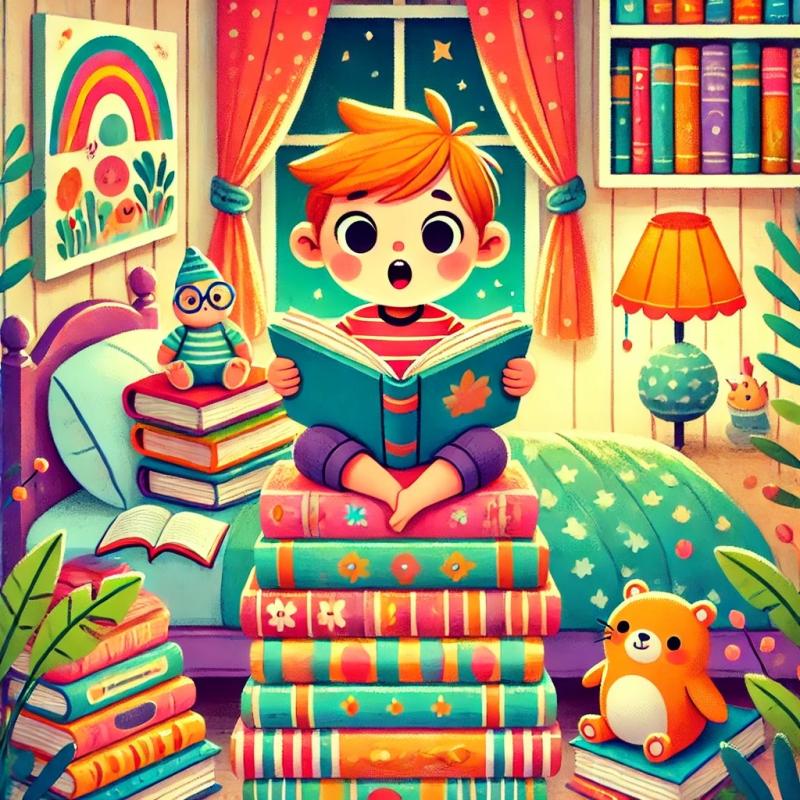
Children's books are more than simple stories; they are a child's first window to the world of creativity, learning, and discovery. These vibrant tales, often filled with captivating illustrations, help shape young minds, build essential skills, and foster a love for reading that lasts a lifetime.
Why Children’s Books Matter
Children’s books offer more than entertainment—they are tools for growth. Here’s why they matter:
- Develop Language Skills: Introducing new words and sentence structures, books build vocabulary and comprehension.
- Encourage Creativity: Stories transport children to fantastical worlds, stimulating their imagination.
- Teach Life Lessons: Many stories impart moral values, such as kindness, empathy, and perseverance.
- Strengthen Bonds: Reading together creates precious family moments, enriching relationships.
Popular Types of Children’s Books
Children’s literature is as diverse as the readers themselves. Here’s an overview of popular categories:
Picture Books: Perfect for toddlers, these combine simple text with engaging illustrations to hold young readers’ attention.
- Example: The Very Hungry Caterpillar by Eric Carle.
Fairy Tales and Fables: These classic tales enchant children while teaching valuable lessons.
- Example: The Ugly Duckling.
Adventure Stories: Action-packed narratives inspire courage and determination.
- Example: Where the Wild Things Are by Maurice Sendak.
Non-Fiction Books: Topics like animals, nature, and history nurture curiosity and knowledge.
- Example: National Geographic Little Kids First Big Book of Why.
Choosing the Right Book for Your Child
Finding the right book is essential for nurturing a lifelong love of reading. Consider these tips:
- Age Appropriateness: Ensure the content and language match your child’s developmental stage.
- Aligned Interests: Select books on topics your child loves, whether animals, space, or fairy tales.
- Diverse Themes: Choose stories with diverse characters and perspectives to expand their understanding of the world.
- Interactive Reading: Books with rhymes, repetition, or questions encourage active engagement.
Benefits Beyond Reading
Children’s books foster skills that extend far beyond literacy:
- Critical Thinking: Stories often pose challenges or puzzles, encouraging problem-solving.
- Empathy Development: By stepping into a character’s shoes, children learn to understand and share feelings.
- Cultural Awareness: Stories from different cultures help kids appreciate diversity.
How to Encourage Reading Habits
Creating a reading-friendly environment is key to nurturing young readers:
- Set Up a Cozy Reading Space: A small, inviting corner with books and cushions can make reading special.
- Be a Role Model: Show your child that reading is enjoyable by sharing your love for books.
- Visit Libraries and Bookstores: Let children explore and choose their own books.
- Read Aloud Daily: Make reading a fun part of the routine with engaging storytelling sessions.
Top Recommendations for Young Readers
Not sure where to start? Here are some beloved titles:
- Goodnight Moon by Margaret Wise Brown
- The Cat in the Hat by Dr. Seuss
- Brown Bear, Brown Bear, What Do You See? by Bill Martin Jr.
- Charlotte’s Web by E.B. White
- Matilda by Roald Dahl
Conclusion
Children’s books are not just entertainment—they are powerful tools that inspire learning, creativity, and empathy. As parents, teachers, or caregivers, introducing children to the joy of reading opens the door to lifelong benefits.
Encourage your little ones to explore the magic of stories, and watch their imagination soar. Whether it’s through bedtime tales or independent reading adventures, books are gifts that keep on giving.


Post Your Ad Here
Comments