Healthcare System in Pakistan in 2025: Challenges, Progress, and Future Outlook
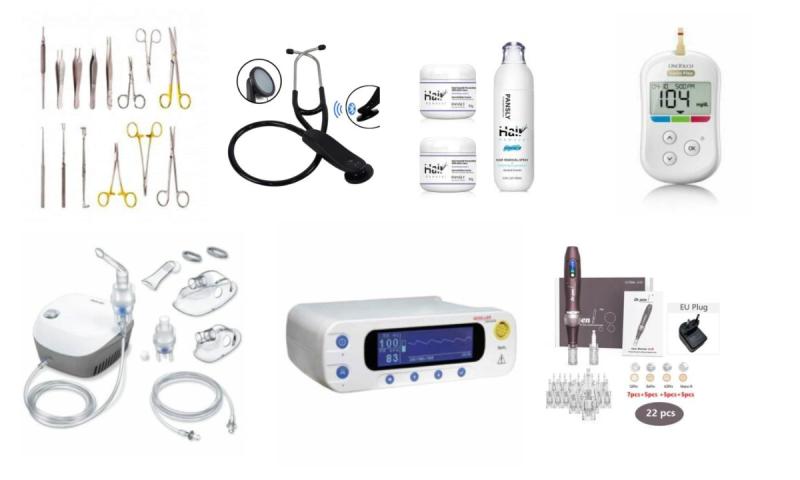
The healthcare system in Pakistan has witnessed significant changes over the years, with 2025 marking a critical juncture. This article delves into the current state of healthcare in Pakistan, highlighting challenges, progress, and the potential future trajectory. Based on data and expert analysis, it aims to provide a comprehensive view of the healthcare landscape in Pakistan.
Overview of Pakistan’s Healthcare System
Pakistan’s healthcare system operates through a combination of public and private sectors. The public sector includes government-funded hospitals and healthcare centers, while the private sector encompasses private hospitals, clinics, and pharmacies.
Key Statistics (2025)
- Population: Approximately 250 million.
- Healthcare Expenditure: 3.2% of GDP (World Bank Data, 2024).
- Healthcare Facilities: Over 1,200 public hospitals and 40,000 private clinics.
- Doctor-to-Patient Ratio: 1 doctor per 1,400 patients (PMDC, 2025).
Challenges Facing Pakistan’s Healthcare System
Insufficient Funding
Pakistan's healthcare expenditure remains below the WHO-recommended 5% of GDP, leading to inadequate resources for public hospitals and rural health centers.Unequal Access
Healthcare access is skewed, with urban areas having better facilities than rural regions.
- 70% of the population resides in rural areas but has access to only 30% of healthcare facilities.
High Disease Burden
Non-communicable diseases (NCDs) such as diabetes, cardiovascular diseases, and cancer account for over 58% of deaths (WHO, 2024).Poor Health Indicators
- Infant Mortality Rate: 55 per 1,000 live births (UNICEF, 2025).
- Maternal Mortality Rate: 186 per 100,000 live births (World Bank, 2024).
- Workforce Shortages
There is a critical shortage of healthcare professionals:
- Nurses: 1 nurse per 3,000 patients.
- Specialists: Only 5,000 across the country.
Progress in the Healthcare System
Despite challenges, Pakistan has made notable progress:
1. Digitization of Healthcare
- Telemedicine Platforms: Increased accessibility in rural areas through digital health solutions.
- Health Apps: Over 5 million users of mobile health apps in 2025.
2. Expanded Immunization Coverage
The Expanded Programme on Immunization (EPI) now covers 90% of children under five.
- Introduction of new vaccines for hepatitis, typhoid, and rotavirus.
3. Public-Private Partnerships
Collaborations between the government and private entities have improved healthcare delivery.
- Example: Sindh Government’s partnership with Indus Hospital for free treatment services.
4. Infrastructure Development
- Establishment of 15 new tertiary care hospitals since 2020.
- Upgraded rural health centers with modern diagnostic equipment.
Health Issues in Focus
1. Rising NCDs
Non-communicable diseases are the leading cause of mortality. Key contributors include:
- Lifestyle Factors: Poor diet, physical inactivity, and smoking.
- Urbanization: Increased stress and pollution.
2. Infectious Diseases
Although reduced, diseases like tuberculosis, dengue, and hepatitis remain prevalent.
3. Maternal and Child Health
Efforts to improve maternal and child health have shown mixed results:
- Increased antenatal care coverage (78%).
- Persistent malnutrition among children (38% stunted).
The Role of Technology in Healthcare
1. Telemedicine
Telemedicine has bridged the urban-rural divide.
- Over 2 million consultations conducted online in 2024.
2. Artificial Intelligence (AI)
AI tools are being used for:
- Early disease detection.
- Predictive analytics for epidemics.
3. Digital Health Records
- Implementation of electronic health records (EHRs) in 40% of public hospitals.
Key Reforms and Initiatives
- Sehat Sahulat Programme (SSP)
- Provides health insurance to over 15 million families.
- Covers major treatments, including cardiac surgeries and cancer care.
- National Health Vision 2025
- Aims to improve healthcare accessibility and quality through universal health coverage.
- Lady Health Worker Programme
- Expanded to 150,000 workers to provide primary care in rural areas.
Private Sector Contribution
The private sector plays a crucial role, contributing 70% of healthcare services in Pakistan. Platforms like Medical Hut have made medical equipment more accessible, catering to hospitals, clinics, and individual users.
Future Outlook for Pakistan’s Healthcare System
Increased Investment
The government plans to increase healthcare spending to 4% of GDP by 2030.Focus on Preventive Care
- Public awareness campaigns on hygiene and healthy living.
- Increased screening programs for diabetes and hypertension.
- Integration of AI and Robotics
- AI-driven diagnostics to reduce workload on doctors.
- Robotic surgeries in leading hospitals.
- Expansion of Telemedicine
- Plans to cover 80% of rural areas by 2028.
Conclusion
The healthcare system in Pakistan is at a turning point, with significant progress and persistent challenges shaping its future. Pakistan can achieve a more equitable and efficient healthcare system by addressing funding gaps, improving access, and leveraging technology. The combined efforts of the government, private sector, and international partners are crucial for ensuring a healthier Pakistan by 2030.
References:
- World Bank Data on Healthcare Expenditure (2024).
- WHO Non-Communicable Diseases Profile (2024).
- Pakistan Medical and Dental Council (PMDC) Annual Report (2025).
- UNICEF Pakistan Health Indicators (2025).
- National Health Vision 2025 Document.
Post Your Ad Here
Comments