The Art of Shortening Paragraphs Without Losing Key Ideas
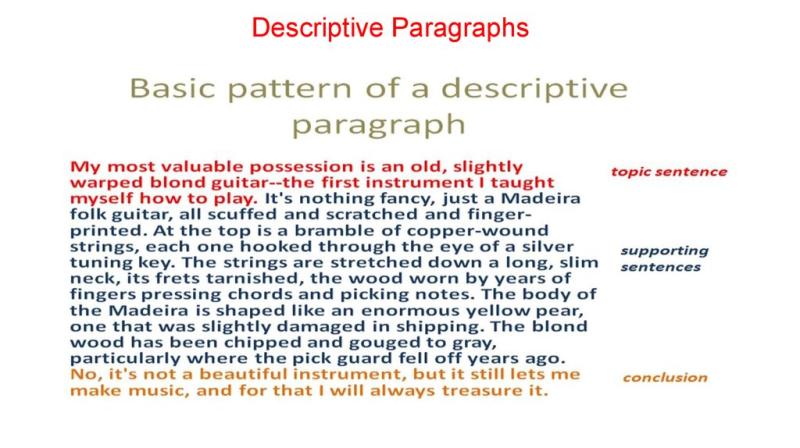
In writing, achieving brevity without sacrificing important details is a valuable skill. Long paragraphs can often overwhelm readers, especially in the digital age, where attention spans are shorter. Shortening paragraphs makes content easier to read and helps highlight key points. However, it's important to ensure that condensing a paragraph doesn’t dilute its core message. In this article, we’ll explore various strategies to shorten paragraphs effectively while maintaining clarity and coherence.
Why Shorten Paragraphs?
Long paragraphs can make reading feel like a chore. Dense blocks of text are difficult to navigate and may cause the reader to lose track of the main point. Shortened paragraphs are typically more reader-friendly, providing a clear structure and allowing the reader to absorb information more easily. Shortening also helps to sharpen the focus on essential ideas, improving both the flow and effectiveness of the writing.
To shorten paragraphs effectively, you need to carefully select which parts of the content to keep and which to omit. Here are some practical strategies to help you shorten paragraphs while keeping your writing sharp and to the point.
1. Limit Each Paragraph to One Key Idea
One of the main reasons for long paragraphs is the inclusion of multiple ideas or concepts within a single block of text. While this may seem efficient, it can cause confusion and make the paragraph harder to follow. Instead, each paragraph should ideally focus on one central idea.
Example:
Original: The company has experienced significant growth over the past few years, with revenue increasing by 30%. This growth can be attributed to several factors, including the introduction of innovative products, strategic marketing campaigns, Paragraph Shortener and expanding into new international markets. Additionally, the company’s focus on sustainability has helped improve its brand image.
Shortened: The company’s revenue has increased by 30% over the past few years. This growth is due to the introduction of innovative products, strategic marketing campaigns, and expansion into new international markets.
In this revision, the paragraph is broken into two smaller, more focused parts: one on the revenue growth and the other on the contributing factors.
Tip:
Review your paragraphs and ensure that each one addresses only one main point. If necessary, break up complex paragraphs into smaller ones that are easier to digest.
2. Remove Redundant Words and Phrases
Sometimes, paragraphs can become unnecessarily lengthy due to the use of redundant words or phrases. These words don’t add value but instead lengthen the writing. Identifying and eliminating these redundancies is key to shortening paragraphs.
Example:
Original: The new software solution is highly efficient and effective in saving time and improving productivity by automating tasks that were previously performed manually.
Shortened: The new software improves productivity by automating tasks.
Here, the redundant adjectives “highly efficient” and “effective” were removed because they didn’t add significant meaning, and the phrase “saving time” was implied by “improves productivity.”
Tip:
Look for words or phrases that repeat the same idea. If the idea has already been conveyed, remove the repetition to keep the writing concise.
3. Break Long Sentences into Shorter Ones
Long, complex sentences often make paragraphs feel bloated. While long sentences are sometimes necessary, breaking them into shorter sentences can improve readability without losing meaning.
Example:
Original: The committee has been evaluating various proposals for months, considering all the potential risks, benefits, and possible challenges associated with each option, and finally, they have reached a decision about the project that they believe will yield the best long-term results.
Shortened: The committee has been evaluating proposals for months. They considered the risks, benefits, and challenges of each option. After thorough discussion, they reached a decision on the project that promises the best long-term results.
By splitting the sentence, the paragraph becomes easier to read and each point is presented clearly.
Tip:
If a sentence is too long or complex, try breaking it up into two or more shorter sentences. This will improve clarity and reduce the overall length of the paragraph.
4. Use Bullet Points for Lists or Multiple Ideas
When presenting a series of related points or ideas, using a list can significantly reduce the length of a paragraph. Bullet points allow the information to be displayed more clearly, breaking up large chunks of text.
Example:
Original: The new system offers several benefits, such as easier access to data, more streamlined communication between departments, faster processing times, and the ability to integrate with other business tools.
Shortened: *The new system offers:
Easier access to data
Streamlined communication between departments
Faster processing times
Integration with other business tools*
The list format provides a concise way to convey multiple ideas at once without overwhelming the reader.
Tip:
Use lists when you have multiple related points that can be broken down into clear, easy-to-read sections. Lists are a great way to reduce paragraph length while improving readability.
5. Remove Unnecessary Details or Background Information
While providing background information can be helpful in some cases, too much detail can bog down a paragraph. Focus on the essential information and trim any extraneous details that aren’t necessary for understanding the core point.
Example:
Original: The company was established in the early 2000s by a group of highly skilled professionals with extensive experience in the industry. Initially, it operated in a small regional market, but over the years, it expanded its reach to include national and international clients.
Shortened: The company, established in the early 2000s, has expanded from a small regional market to serve national and international clients.
In this version, we’ve removed unnecessary information about the company’s founding and the founders' experience, keeping only the essential details about the company’s growth.
Tip:
Ask yourself if the detail is essential for the reader to understand the main idea. If not, consider omitting it.
6. Eliminate Filler Words
Filler words and phrases—such as “in order to,” “due to the fact that,” and “it is important to note that”—often lengthen a paragraph without adding significant meaning. Eliminating these can shorten paragraphs without losing any essential content.
Example:
Original: It is important to note that the team is currently working on several major projects that will significantly impact the company’s future growth.
Shortened: The team is working on major projects that will impact the company’s future growth.
By removing unnecessary phrases like “it is important to note that,” the sentence becomes more direct and concise.
Tip:
Read through your writing and remove any filler words or phrases that don’t add substantial meaning to the sentence.
7. Use Active Voice Instead of Passive Voice
Active voice tends to be more direct and concise than passive voice. By using active voice, you can often reduce the length of a sentence or paragraph while keeping the meaning intact.
Example:
Original: The report was written by the team and was submitted to the manager for review.
Shortened: The team wrote the report and submitted it to the manager for review.
Active voice is more efficient and makes the sentence more engaging without sacrificing any important information.
Tip:
Where possible, use active voice to make sentences shorter and more impactful.
Conclusion
Shortening paragraphs effectively is a valuable skill for any writer. It enhances readability, improves clarity, and helps maintain the reader’s attention. By focusing on one idea per paragraph, eliminating redundancies, using shorter sentences, and cutting out unnecessary details, you can condense your writing without losing meaning. Additionally, using lists and active voice can also contribute to a more concise and engaging style. With these techniques, you’ll be able to create more effective and enjoyable content for your readers.
Post Your Ad Here
Comments