How a Three-Phase Bridge Rectifier Efficiently Converts AC to DC
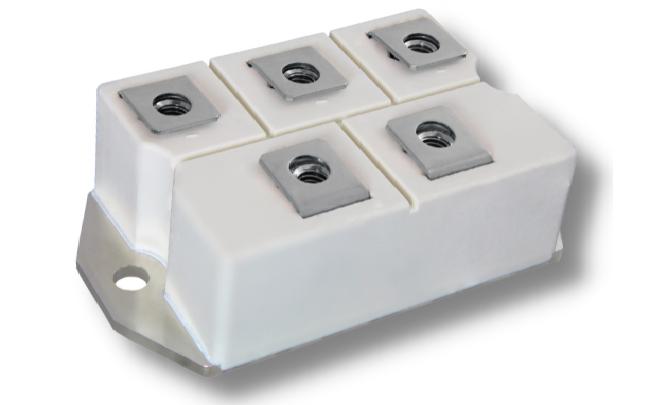
In recent days, electrical systems in many industrial applications convert AC to DC. There is a demand for efficient rectifiers can handle high power loads whether for powering motors or charging batteries.
The three phase bridge rectifier is a popular solution that provides a reliable DC output from a three phase AC supply. In this post you can explore how a three phase bridge rectifier works and its efficiency to convert AC to DC:
Understanding the Three Phase Bridge Rectifier
A three phase bridge rectifier converts AC voltage to DC voltage. The circuit has 6 diodes that are organized in a bridge configuration. It allows the rectification process for three input phases.
A three phase AC system which is used in industrial power supplies and it is characterized by three sinusoidal voltages. Each phase is offset by 120 degrees. This phase difference is important because it ensures the rectifier always has at least one diode which improves efficiency and reduces the ripple effect on the DC output.
How It Works
The three phase AC power supply consists of three voltages and it is denoted as VAV_AVA, VBV_BVB and VCV_CVC which are 120 degrees apart. Each of these voltages feeds into the six diodes of the bridge rectifier. In each cycle of the AC waveform, one diode pair from each of the phases conducts and converts the AC to DC.
Conduction Periods
As the AC voltage alternates, the diodes in the bridge rectifier conduct in pairs. Each diode pair conducts for a third of the AC cycle which results in a continuous flow of current through the load. The conduction is synchronized with the phase sequence of the three phase input.
Ripple Reduction
The output of a three phase rectifier has lower ripple and it differs from single phase rectifiers. In the three phase system, the voltage from each phase peaks at different times, so the resulting output DC voltage is less variable. The frequency of the ripple in a three phase rectifier is 6 times the input AC frequency. It reduces the need for large filter capacitors.
Advantages of a Three Phase Bridge Rectifier
Higher Efficiency
The three phase system provides a smoother DC output with less ripple compared to single phase rectification which makes it perfect for high power applications.
Better Power Factor
The three phase system has a more balanced power factor. This leads to less power being wasted in the conversion process.
Reduced Stress on Components
Since the diodes in a three phase bridge rectifier conduct in pairs and share the load, the stress on each diode is reduced.
Less Ripple
As mentioned earlier, the ripple frequency in a three phase bridge rectifier is 6 times the input AC frequency, which means that the output DC is smoother and there is less need for extensive filtering.
Real World Applications
The three phase bridge rectifier is widely used in applications that require high-power DC supplies. Some examples include:
DC Motor Drives
In industries where variable speed motor control is important such as robotics, three phase bridge rectifiers are used to convert AC power into DC supply.
This ensures accurate control of motor speed and torque which is important for processes that require reliable motion. This helps improve the performance and efficiency of DC motors which reduces damage and extends their lifespan.
Battery Charging
Three phase bridge rectifiers are important in charging batteries for electric vehicles, renewable energy systems and other applications where high efficiency charging is needed.
These rectifiers provide a steady and controlled DC voltage which is important to maintain battery health and ensure long term performance. A smooth and regulated DC output prevents overcharging and undercharging.
Wrapping Up
A three phase bridge rectifier is an efficient and reliable method to convert AC to DC which provides significant advantages in applications requiring smooth and stable DC power. By using six diodes in a bridge configuration, the system ensures continuous current flow, minimizes ripple and provides a higher average DC voltage than single phase rectifiers.
As industries increasingly demand more power-efficient and reliable systems, the three phase bridge rectifier remains a cornerstone in high-power DC applications which provides solutions across various fields including industrial drives, battery charging and power supplies for critical systems.
Post Your Ad Here
Comments