Essential Guide to Bandsaw Blades and Router Cutters for Woodworking
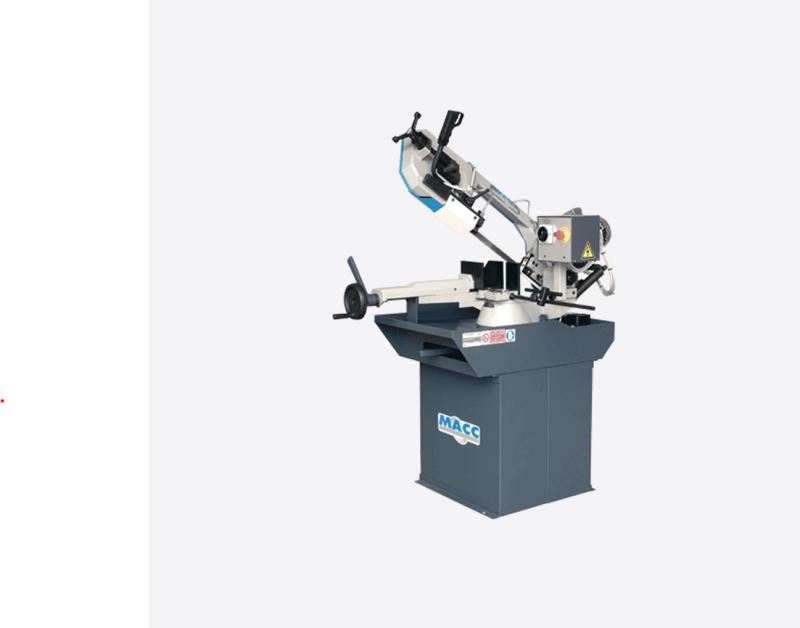
When it comes to woodworking, the tools you use can make all the difference in the quality of your work and the efficiency of your projects. Two essential tools for any woodworking professional or enthusiast are bandsaw blades and router cutters. These cutting tools are designed for specific tasks and can significantly impact the precision and smoothness of your work. Understanding the characteristics and uses of bandsaw blades and router cutters is crucial for achieving the best results in your woodworking endeavors.
What Are Bandsaw Blades?
Bandsaw blades are a type of continuous loop blade used on a bandsaw machine. These blades are designed to cut through wood, metal, plastic, and even some types of stone. They are characterized by their long, flexible design, which allows them to move in a continuous loop around two wheels, making them ideal for cutting curves, intricate shapes, and straight lines.
Bandsaw blades come in various sizes, materials, and tooth configurations, each suited for different cutting tasks. The teeth on a bandsaw blade can be designed for fine cuts, fast cuts, or a mix of both, depending on the intended use. For example, a blade with smaller teeth is ideal for delicate, intricate cuts, while a blade with larger teeth is better for faster, rough cuts.
Types of Bandsaw Blades
Woodworking Bandsaw Blades: These blades are specifically designed for cutting wood and wood-based products. They come in a range of tooth configurations, such as skip tooth, hook tooth, and regular tooth blades, allowing for different cutting speeds and finishes.
Metalworking Bandsaw Blades: These blades are made from tougher materials, such as high-speed steel (HSS) or bi-metal, to handle the tougher nature of cutting metals. They tend to have finer teeth and are designed to handle slower cutting speeds for precision work.
Resaw Bandsaw Blades: These are wide blades with smaller teeth, perfect for cutting thick lumber into thinner slices. They are often used in sawmills or by woodworkers who need to cut large pieces of wood into smaller sections.
Variable Tooth Bandsaw Blades: These blades feature a variable pitch of teeth along the length of the blade, which helps reduce vibration and provides a smoother cut, particularly in hard materials.
What Are Router Cutters?
Router cutters, also known as router bits, are tools used with a router to hollow out or shape wood, plastic, and other materials. These tools are typically made from high-speed steel (HSS) or carbide, and they come in a variety of shapes and sizes, each designed for specific tasks.
Router cutters are versatile tools used for edge trimming, grooving, shaping, and decorative carving. The design of the cutter's tip and body dictates how it interacts with the material being cut. The most common types of router cutters include straight bits, spiral bits, round-over bits, and dovetail bits.
Types of Router Cutters
Straight Router Cutters: These are used for cutting straight grooves and edges. They can be used for mortising, dadoing, and shaping wood or other materials.
Spiral Router Cutters: Spiral bits feature a corkscrew design that helps remove chips from the cutting area more efficiently. They can be used for faster cutting in harder materials and provide a cleaner finish.
Round-Over Router Cutters: These cutters are used for creating rounded edges on wood. They are commonly used in furniture making and cabinetry to soften sharp corners and create a polished look.
Dovetail Router Cutters: Dovetail bits are specifically designed for cutting dovetail joints, which are often used in high-quality woodworking for creating strong, interlocking joints.
Choosing the Right Bandsaw Blades and Router Cutters
Selecting the right bandsaw blade or router cutter for your project is essential to achieving the best results. Here are some factors to consider when choosing between different types of bandsaw blades and router cutters:
Material: Different materials require different types of blades or cutters. For instance, if you’re cutting hardwood, a blade with more teeth will give you a finer, smoother cut. For softwoods or non-wood materials, a blade with larger teeth may work better for faster cuts.
Cutting Task: The complexity of your cutting task also determines which tool you should choose. For intricate, fine cuts, smaller teeth on a bandsaw blade or a fine-tipped router cutter will ensure a precise finish. For faster, rough cuts, larger teeth on the bandsaw blade or a spiral router cutter can help speed up the process.
Durability: Consider the longevity of the bandsaw blade or router cutter. High-speed steel blades and carbide-tipped router bits are generally more durable and will stay sharp longer, making them a good choice for professional use or frequent projects.
Conclusion
Bandsaw blades and router cutters are indispensable tools for any woodworking project. Bandsaw blades are essential for making accurate cuts in a variety of materials, whether you’re cutting curves, straight lines, or resawing large pieces of wood. Router cutters, on the other hand, are perfect for shaping, edging, and creating decorative details in your woodworking projects. Choosing the right tools and understanding their specific functions will enhance the efficiency, precision, and quality of your work. By selecting the right bandsaw blades and router cutters for your needs, you can achieve professional results in all your woodworking endeavors.

Post Your Ad Here
Comments