How Does Robotic Welding Work? Explained in Simple Terms
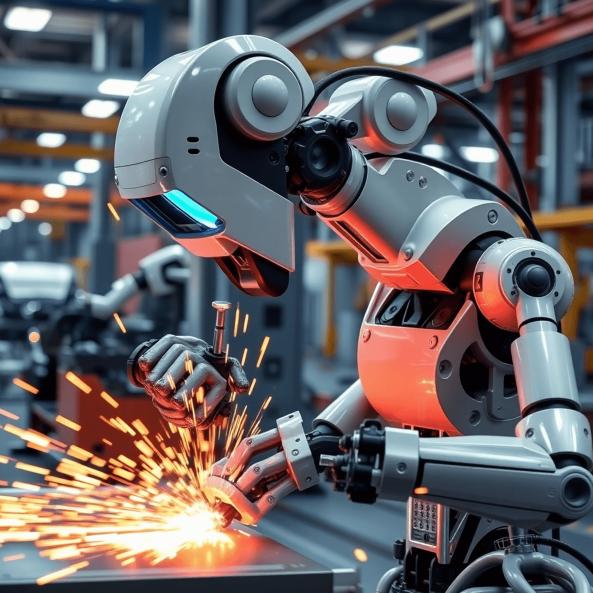
Robotic welding is an automated welding technique that has transformed modern manufacturing processes. It uses specialized industrial robots designed to perform various welding tasks with precision and efficiency. This technology is crucial in industries like automotive manufacturing, where consistency and speed are vital.
In this article, you will discover:
- What is robotic welding?
- How does robotic welding work?
- The advantages of robotic welding
- The challenges faced during implementation
- Future trends shaping the landscape of welding technology
The content is presented in simple terms for easy understanding, ensuring that both newcomers and experienced professionals can grasp the essential concepts surrounding this innovative technology.
Understanding Robotic Welding
Robotic welding is a game-changing technology in manufacturing. It uses automated systems, specifically industrial robots, to perform welding tasks that were once done by humans. This shift allows industries to achieve greater efficiency and precision, resulting in improved production capabilities.
Common Welding Processes in Robotic Systems
Several welding processes are commonly used in robotic systems:
- Arc Welding: Uses an electric arc to melt the base metal and filler material, ideal for joining heavy materials.
- MIG (Metal Inert Gas) Welding: A continuous feeding process that uses a wire electrode, suitable for thin sections of stainless steel and non-ferrous metals.
- TIG (Tungsten Inert Gas) Welding: Offers high precision by using a non-consumable tungsten electrode, excellent for intricate welds on thin materials.
- Laser Welding: Uses focused laser beams for precise joining of components, particularly beneficial for delicate applications requiring minimal heat distortion.
- Plasma Welding: Similar to TIG but provides greater control over the heat input, making it ideal for high-quality welds on various metals.
Enhancing Productivity and Quality Consistency
The integration of robotic welding into manufacturing processes significantly enhances productivity compared to manual methods. Key benefits include:
- Increased Throughput: Robotic systems can operate continuously without fatigue, allowing them to complete more tasks in less time.
- Quality Consistency: Automation ensures uniformity in weld quality, reducing defects and waste associated with human error.
- Safety Improvements: By taking over hazardous tasks from human workers, robotic welding minimizes injury risks and promotes safer working environments.
With these advantages, businesses can leverage robotic welding technology to streamline their operations while maintaining high standards of quality. The shift towards automation is not just a trend; it is becoming essential for companies aiming to remain competitive in today's fast-paced manufacturing landscape.
How Robotic Welding Systems Work
Robotic welding systems consist of several key components that work together to execute precise welding tasks effectively. Understanding these elements is crucial for grasping how robotic welders function.
Key Components
1. Mechanical Unit
This is the backbone of the robotic welding system. It is responsible for manipulating the materials being welded. The mechanical unit typically includes robotic arms equipped with welding tools that can move in multiple directions, allowing for complex weld patterns.
2. Controller
The controller acts as the brain of the robotic system. It directs the movements of the mechanical unit by processing programming instructions. This component ensures that the robot follows a predetermined path and maintains consistent speed and angle during the welding process.
3. Machine Vision
Precision is vital in welding, which is where machine vision comes into play. This technology allows robots to "see" their environment using cameras and sensors. Machine vision systems provide real-time feedback, enabling adjustments based on material position and alignment. This capability enhances accuracy, particularly in complex assemblies.
Operation Breakdown
The operation of a robotic welder can be broken down into clear steps, each critical for successful execution:
- Setup: Before welding begins, operators configure the robotic system according to specific project requirements. This involves selecting appropriate tools, adjusting settings on the mechanical unit, and ensuring all safety measures are in place.
- Programming Instructions: Operators input programming instructions into the controller. These instructions define the welding path, speed, and techniques to be used (e.g., MIG or TIG). Advanced software may also allow for simulation to optimize performance before actual execution.
- Material Handling Automation: Once set up and programmed, the robotic system automates material handling tasks. This includes moving workpieces into position, clamping them securely, and ensuring they remain stable throughout the welding process.
- Execution: With everything in place, the robot initiates the welding operation based on programmed parameters. The mechanical unit moves along predefined paths while delivering consistent heat and pressure necessary for effective bonding.
- Monitoring and Adjustments: Throughout execution, machine vision continuously monitors parameters such as alignment and quality of welds. If discrepancies are detected, adjustments can be made in real-time to maintain high-quality standards.
Robotic welding systems streamline many aspects of traditional welding processes through automation while enhancing safety by reducing human intervention during repetitive tasks. Understanding these mechanisms provides insight into their capabilities within various manufacturing environments.
Advantages and Challenges of Implementing Robotic Welding Systems
Robotic welding systems offer numerous benefits that enhance manufacturing efficiency. The significant advantages include:
- Productivity Increase: Robotic welders can operate continuously with minimal downtime, leading to productivity increases of up to 85%. Their ability to perform repetitive tasks at high speeds allows for faster production cycles.
- Safety Enhancement: By automating hazardous welding processes, robotic systems reduce the risk of injury for human workers. Fewer manual tasks translate to a safer working environment, minimizing accidents associated with traditional welding methods.
- Quality Consistency: Robotic welding ensures uniformity in weld quality. The precision of programmed instructions results in fewer defects and reduced wastage of materials. This consistency is crucial in industries where product quality is paramount.
While the benefits are compelling, there are also challenges associated with implementing robotic welding systems:
- Investment Cost: The initial investment required for robotic welding technology can be substantial. Costs encompass not only the robots themselves but also supporting infrastructure, maintenance, and software.
- Training Requirements: Operating and programming robotic welders demands specialized knowledge. Companies must invest in training programs to equip employees with the necessary skills to manage these advanced systems effectively. Without proper training, the potential of robotic welding could remain untapped.
Understanding both the advantages and challenges of robotic welding is essential for businesses considering this technology. By evaluating factors such as productivity increase, safety enhancement, and quality consistency against investment costs and training requirements, organizations can make informed decisions about integrating robotic welding into their operations.
Future Trends Shaping the Landscape of Robotic Welding Technology
Technological advancements are driving the evolution of robotic welding systems. Emerging innovations include:
- Artificial Intelligence (AI): AI integration allows robotic welders to learn from previous tasks, optimizing performance and adapting to varying conditions.
- IoT Connectivity: The Internet of Things (IoT) enables real-time monitoring and data analysis, enhancing predictive maintenance and operational efficiency.
- Collaborative Robots (Cobots): These robots work alongside human operators, improving flexibility and safety in complex environments.
The market growth potential for robotic welding is significant. As industries seek to enhance productivity and reduce labor costs, increased adoption rates are expected across sectors such as automotive, aerospace, and electronics. Key factors influencing this growth include:
- Demand for High-Quality Standards: Companies recognize that robotic welding ensures consistent quality, crucial in competitive industries.
- Reduction in Labor Shortages: Automation addresses workforce challenges by performing repetitive tasks efficiently.
- Customization Capabilities: Advanced programming allows for tailored solutions, making robotic welding versatile for various applications.
Investing in these technologies not only boosts production capabilities but also positions businesses to capitalize on future trends in manufacturing automation.
Conclusion
Understanding robotic welding is crucial for businesses aiming to harness its advantages. Here are key insights:
This automated technique enhances productivity, safety, and quality in manufacturing.
It involves specialized robots performing various welding processes with precision.
By utilizing mechanical units, controllers, and machine vision, robotic systems automate welding tasks efficiently.
Grasping these elements allows companies to make informed decisions about implementing robotic welding technology. Embracing this innovation can lead to improved operational efficiency and competitive edge in the market. The potential for growth and expansion across industries highlights the importance of staying updated on advancements in this field.
Post Your Ad Here
Comments