Risks and Benefits of Pacemaker Implantation
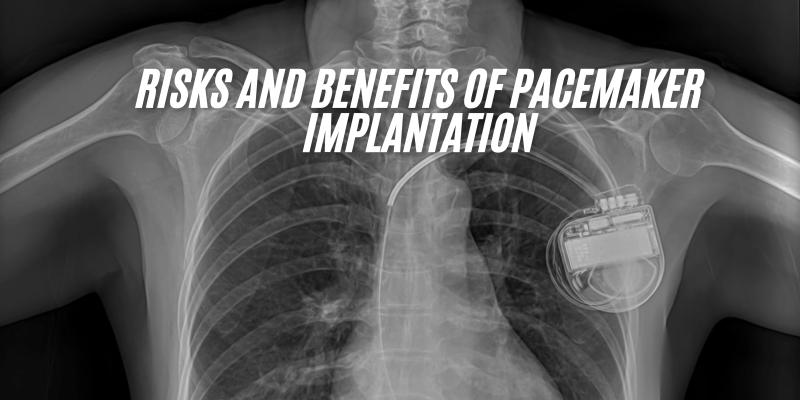
A pacemaker is a life-saving medical device implanted to help manage heart rhythm disorders like arrhythmias. While the procedure offers numerous benefits, it is essential to understand the associated risks to make an informed decision. For individuals in need of advanced cardiac care, consulting a cardiology hospital in Hyderabad, such as Samprada Hospital, ensures the best possible outcomes.
Benefits of Pacemaker Implantation
Improved Heart Function Pacemakers regulate abnormal heart rhythms, ensuring that the heart beats steadily and effectively. This helps in improving blood circulation, reducing fatigue, dizziness, and shortness of breath.
Enhanced Quality of Life By preventing symptoms caused by irregular heartbeats, patients experience significant improvements in daily activities, exercise capacity, and overall well-being.
Prevention of Life-Threatening Conditions Pacemakers prevent potentially fatal complications, such as sudden cardiac arrest or heart failure, caused by bradycardia (slow heart rate) or arrhythmias.
Long-Term Solution Modern pacemakers are durable and reliable, offering a long-term solution for managing heart rhythm disorders. Regular follow-ups and checks ensure optimal functionality.
Non-Invasive Monitoring Many advanced pacemakers offer remote monitoring, allowing cardiologists to keep track of the heart’s activity without frequent hospital visits.
Risks of Pacemaker Implantation
Surgical Risks As with any surgery, pacemaker implantation carries minimal risks such as infection, bleeding, or bruising at the implant site.
Device-Related Complications
Lead Displacement: The wires connecting the pacemaker to the heart may shift, requiring re-adjustment.
Device Malfunction: Though rare, pacemakers may malfunction and require replacement.
Allergic Reactions Some patients may experience allergic reactions to anesthesia or materials used in the pacemaker components.
Blood Clot Formation In rare cases, blood clots may form around the pacemaker leads, leading to complications like vein blockage.
Lifestyle Adjustments While pacemakers improve quality of life, patients must avoid strong electromagnetic fields (e.g., MRI machines, high-voltage equipment) that may interfere with the device.
Who Needs a Pacemaker?
Pacemaker implantation is recommended for individuals suffering from:
Bradycardia (abnormally slow heart rate)
Heart block (disruption of electrical signals in the heart)
Atrial fibrillation with slow ventricular response
Certain congenital heart conditions
Consulting a leading cardiology hospital in Hyderabad, like Samprada Hospital, ensures accurate diagnosis and expert care for patients requiring pacemaker implantation.
Choosing the Right Cardiology Care
Selecting the right hospital is vital for successful pacemaker implantation. A top cardiology hospital in Hyderabad, such as Samprada Hospital, will offer:
Skilled cardiologists and surgeons
Advanced diagnostic tools and surgical techniques
Comprehensive post-implantation care
Conclusion
Pacemaker implantation is a safe and effective procedure that transforms the lives of patients with heart rhythm disorders. While there are certain risks, the benefits far outweigh them for most individuals. For expert care, seek consultation at a trusted cardiology hospital in Hyderabad, such as Samprada Hospital, to ensure a smooth recovery and long-term heart health.
Post Your Ad Here
Comments