Mastering Earth and Space Science on Edgenuity: Study Tips and Resources
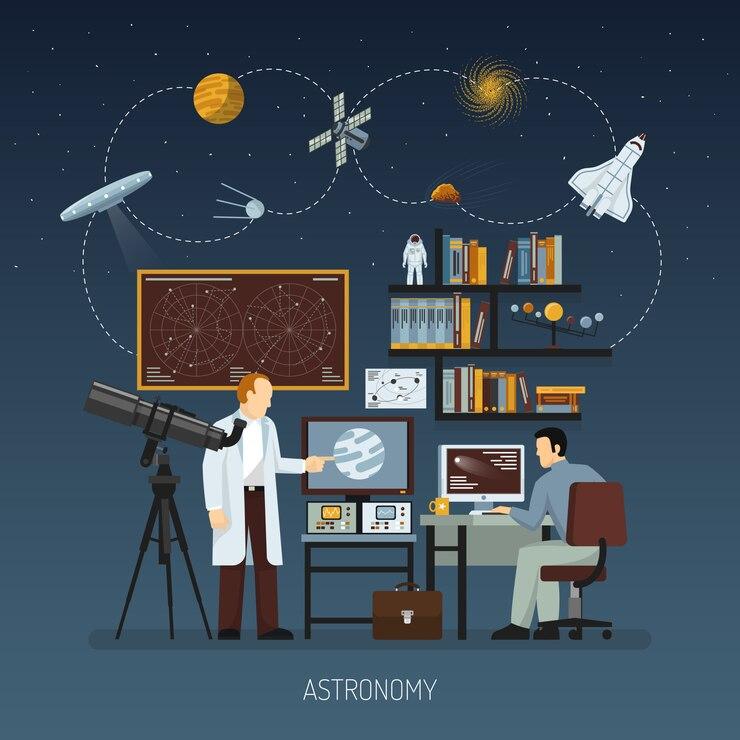
Earth and Space Science is a fascinating subject that delves into the intricate workings of our planet and the vast expanse of the universe. Studying this course on platforms like Edgenuity offers a unique opportunity to explore concepts ranging from plate tectonics to the lifecycle of stars at your own pace. However, the self-directed nature of online learning can pose challenges. To help you excel in your Earth and Space Science course on Edgenuity, here are effective study tips and resources to make the learning process smoother and more engaging.
Understanding the Edgenuity Platform
Before diving into the course material, it’s essential to familiarize yourself with Edgenuity’s interface and tools. The platform’s design allows students to navigate lessons, complete assignments, and take quizzes with ease. Key features to explore include:
Lesson Videos: These provide the foundational knowledge you’ll need. Take detailed notes as you watch to ensure you capture key points.
Glossary and Definitions: Use this feature to quickly look up unfamiliar terms.
Progress Tracker: Monitor your course completion and deadlines to stay on schedule.
By understanding how to leverage these tools effectively, you’ll build a solid foundation for success.
Study Tips for Success
1. Set Clear Goals and a Study Schedule
The flexibility of Edgenuity is a double-edged sword. Without a fixed classroom routine, it’s easy to fall behind. To avoid this, create a detailed study schedule. Allocate specific times each day or week to focus solely on Earth and Space Science. Break down the syllabus into manageable sections, and set deadlines for completing lessons, quizzes, and assignments.
2. Take Active Notes
Active note-taking is crucial for retaining information. While watching lesson videos, jot down main ideas, definitions, and key details. Use bullet points, diagrams, or charts to organize information visually. For instance, when learning about the water cycle, sketch a diagram showing evaporation, condensation, and precipitation.
Rewriting and summarizing your notes in your own words can also deepen your understanding.
3. Engage With the Material
Passive learning won’t cut it for a subject as dynamic as Earth and Space Science. Engage actively by asking questions while you study, such as:
How do plate tectonics affect natural disasters?
Why are stars’ lifecycles important to the evolution of galaxies?
Researching these questions beyond the course material can broaden your understanding and make learning more enjoyable.
4. Practice Regularly
Quizzes and practice tests are invaluable tools for reinforcing your knowledge. After completing a lesson, test yourself to identify areas where you may need further review. Edgenuity’s built-in quizzes provide immediate feedback, helping you understand mistakes and correct misconceptions.
5. Use Mnemonics and Memory Aids
Complex concepts like the layers of the Earth or the order of planets in the solar system can be easier to recall with memory aids. For example, use the mnemonic “My Very Educated Mother Just Served Us Nachos” to remember Mercury, Venus, Earth, Mars, Jupiter, Saturn, Uranus, and Neptune.
Leveraging External Resources
Edgenuity provides a wealth of information, but supplementing your studies with external resources can enhance your learning experience. Here are some recommended tools and materials:
1. NASA’s Educational Resources
NASA’s website offers free, interactive tools and articles on topics like space exploration, astronomy, and Earth science. Their “For Students” section includes videos, quizzes, and virtual simulations that align perfectly with Edgenuity’s curriculum.
2. YouTube Channels
Educational channels like Khan Academy, CrashCourse, and SciShow Space provide engaging explanations of Earth and Space Science topics. These videos are particularly useful for visual learners who benefit from animations and graphics.
3. Apps and Simulations
Stellarium: A virtual planetarium app that helps you explore stars, constellations, and planets in real time.
PhET Simulations: Interactive tools for understanding scientific phenomena, such as gravity and planetary motion.
Google Earth: Dive into Earth’s geography and explore topographical features in detail.
4. Reference Books
Supplement your online lessons with well-regarded textbooks like “Earth Science” by Tarbuck and Lutgens or “Astrophysics for Young People in a Hurry” by Neil deGrasse Tyson. These resources can provide deeper insights and examples that reinforce your understanding.
Staying Motivated
Staying motivated in a self-paced course requires discipline and a positive mindset. Here are some tips to keep you on track:
Set Rewards: Celebrate small milestones, like completing a module or acing a quiz, with a treat or break.
Find a Study Buddy: Partnering with a classmate can make studying more enjoyable and hold you accountable.
Visualize Your Goals: Remind yourself of why you’re taking the course. Whether it’s to pursue a career in science or simply to learn more about the world, keeping your goals in mind can inspire you to stay committed.
Conclusion
Mastering Earth and Space Science on Edgenuity requires a combination of discipline, effective study habits, and the use of supplementary resources. By setting clear goals, actively engaging with the material, and exploring external tools, you can deepen your understanding and enjoy the learning process. Remember, the study of Earth and the universe not only broadens your scientific knowledge but also fosters a greater appreciation for the world around us and beyond. Happy learning
Post Your Ad Here
Comments