Exploring Sea Container Factories: Revolutionizing Global Trade and Beyond
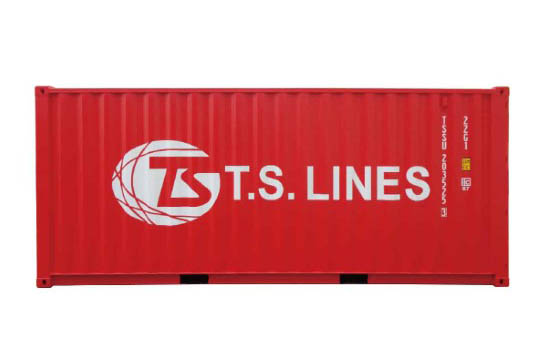
Sea containers, also known as shipping containers, have become the backbone of global trade and logistics. The manufacturing process behind these robust and versatile containers occurs in specialized sea container factories, where precision engineering and stringent quality control converge to create the tools that drive modern commerce.
What is a Sea Container Factory?
A sea container factory is a facility dedicated to manufacturing, assembling, and finishing shipping containers. These factories produce a range of containers, including standard dry storage containers, refrigerated units, high-cube models, and custom-built options for specialized needs.
Factories are equipped with advanced machinery and utilize cutting-edge technologies to fabricate containers that meet international standards, such as ISO (International Organization for Standardization) regulations.
The Manufacturing Process
The production of sea containers is a detailed process that ensures durability, safety, and functionality:
Material Selection
High-quality Corten steel, known for its anti-corrosive properties, is the primary material used in manufacturing sea containers. This ensures longevity even under harsh environmental conditions.Cutting and Shaping
The steel is cut into specific shapes and welded together to form the container’s frame. Advanced laser and plasma cutting tools are often used for precision.Assembly
The side panels, floor, roof, and doors are assembled and welded securely to create a sealed structure.Surface Treatment
The container undergoes sandblasting to remove impurities, followed by anti-corrosion treatment and painting. These steps enhance resistance to moisture, salt, and other corrosive agents.Quality Testing
Each container is subjected to rigorous testing, including water-tightness, structural integrity, and weight capacity checks.Custom Modifications
Container substation factory may customize containers for specific uses, such as adding ventilation, refrigeration systems, or insulation.
Applications Beyond Shipping
While sea containers were initially designed for transporting goods, their versatility has expanded their applications significantly:
Storage Units: Businesses and individuals use containers as cost-effective storage solutions.
Pop-Up Shops and Cafes: The modular design allows for quick and innovative setups for retail or dining spaces.
Sustainable Housing: Modified containers are increasingly popular for eco-friendly and affordable housing projects.
Mobile Offices and Clinics: Containers offer durable, portable solutions for remote workspaces and healthcare facilities.
Innovation in Sea Container Factories
Modern sea container factories are adopting new technologies to enhance production efficiency and sustainability:
Automation and Robotics
Automated welding and cutting systems ensure precision and speed, reducing production time while maintaining quality.Eco-Friendly Practices
Factories are incorporating renewable energy sources and recycling practices to minimize environmental impact.Smart Containers
Integration of IoT (Internet of Things) technology enables real-time tracking, temperature control, and security features in containers.
The Role of Sea Container Factories in Global Trade
Sea container factories are pivotal in meeting the growing demand for efficient and sustainable shipping solutions. With international trade relying heavily on these durable structures, factories must continuously innovate to cater to global needs.
Conclusion
Sea container factories represent an essential link in the global supply chain, combining craftsmanship, innovation, and sustainability. Whether facilitating trade or serving as the foundation for innovative architectural projects, their products drive progress across industries. With a commitment to quality and adaptability, these factories are shaping the future of logistics and beyond.
Post Your Ad Here
Comments