Modular Rainwater Harvesting
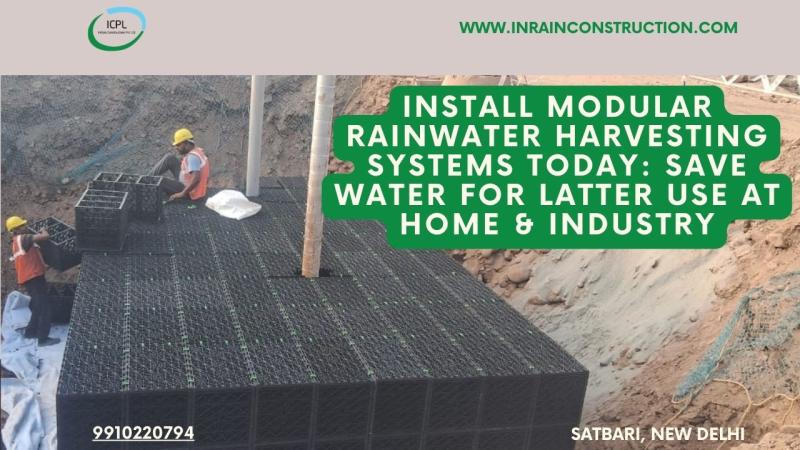
Modular Rainwater Harvesting Systems: A Sustainable Solution for Water Management
Water scarcity is one of the most pressing challenges of the 21st century. With growing populations and unpredictable climate patterns, the need for sustainable water management solutions is more urgent than ever. Among these solutions, modular rainwater harvesting systems have emerged as a highly effective and adaptable approach. These systems provide a practical means to collect, store, and reuse rainwater, contributing to water conservation and reducing reliance on conventional water sources.
In this blog, we will delve into the concept of modular rainwater harvesting systems, their components, benefits, applications, and the role they play in addressing global water challenges.
What is a Modular Rainwater Harvesting System?
A modular rainwater harvesting system is a flexible and scalable solution designed to capture and store rainwater efficiently. Unlike traditional systems that are often rigid and site-specific, modular systems consist of pre-engineered, interlocking components that can be customized to suit various needs and spaces. These systems can be installed in residential, commercial, and industrial settings, making them a versatile choice for diverse applications.
Key Components of Modular Rainwater Harvesting Systems
Catchment Area
The catchment area is where rainwater is collected, typically a rooftop or paved surface. Proper design and maintenance of this area are critical for maximizing water collection.Filter Units
Modular systems often include advanced filtration units to remove debris, sediments, and contaminants from rainwater before storage, ensuring high-quality water.Storage Modules
The storage component comprises modular tanks made from durable materials like high-density polyethylene (HDPE) or reinforced concrete. These tanks are designed for easy installation and expansion, enabling users to increase capacity as needed.Piping and Distribution System
Interconnected pipes transport water from the catchment area to the storage tanks and, subsequently, to its point of use. Modular systems use standardized fittings for quick and efficient assembly.Overflow Mechanism
An overflow system is integrated to divert excess water during heavy rains, preventing flooding or damage to the tanks.Pump and Treatment Units
Depending on the intended use, water may need to be treated further or pumped to a higher elevation. Modular systems often incorporate energy-efficient pumps and optional treatment modules for potable water needs.
Benefits of Modular Rainwater Harvesting Systems
Scalability
Modular systems are highly adaptable, allowing users to scale up or down based on their water requirements and available space.Ease of Installation
The pre-fabricated components simplify installation, reducing labor costs and time compared to traditional systems.Durability
Built with robust materials, modular systems are designed to withstand environmental factors and require minimal maintenance over time.Cost-Effective
While the initial investment may seem high, modular systems offer significant long-term savings by reducing water bills and minimizing dependence on external water sources.Environmental Benefits
By capturing rainwater, these systems reduce surface runoff, alleviate urban flooding, and promote groundwater recharge, contributing to overall ecological balance.Versatility
Modular systems can be tailored to fit diverse applications, from small residential setups to large industrial operations, without compromising efficiency.Regulatory Compliance
Many countries and municipalities are mandating rainwater harvesting systems in new constructions. Modular systems help property owners comply with such regulations.
Applications of Modular Rainwater Harvesting Systems
Residential Use
Modular systems are ideal for urban households with limited space. They can be installed underground or on rooftops to provide water for gardening, cleaning, and other non-potable uses.Commercial Buildings
Large office complexes, shopping malls, and schools benefit from these systems by reducing their water footprint and lowering operational costs.Industrial Settings
Factories and manufacturing units use modular systems to meet process water requirements and manage stormwater runoff effectively.Agriculture
Modular rainwater harvesting systems can be used in farms to store rainwater for irrigation, especially in regions facing water scarcity.Disaster Relief and Remote Areas
Portable and easy-to-install modular systems are a valuable resource for providing clean water in disaster-stricken areas or regions with limited infrastructure.
How Modular Rainwater Harvesting Supports Sustainable Development Goals (SDGs)
Modular rainwater harvesting systems align with several UN Sustainable Development Goals, including:
Goal 6: Clean Water and Sanitation
By providing an alternative water source, these systems ensure access to clean and affordable water for communities.Goal 11: Sustainable Cities and Communities
Modular systems reduce urban flooding and enhance water resilience in cities.Goal 13: Climate Action
By conserving water and reducing energy usage in water transportation, these systems contribute to mitigating climate change impacts.
Challenges and Solutions in Implementing Modular Systems
Initial Investment
While modular systems are cost-effective in the long run, the upfront cost can be a barrier for some users. Solution: Governments and NGOs can provide subsidies or incentives to promote adoption.Awareness and Education
Many people are unaware of the benefits of rainwater harvesting. Solution: Awareness campaigns and educational programs can highlight the importance of these systems.Maintenance Issues
Improper maintenance can reduce system efficiency. Solution: Regular inspections and user training can address maintenance challenges effectively.Space Constraints
In urban areas, space limitations can pose a challenge. Solution: Modular systems can be designed for underground installation, maximizing space utilization.
Future Trends in Modular Rainwater Harvesting
Smart Systems
Integration of IoT (Internet of Things) devices for real-time monitoring and management of rainwater harvesting systems.Green Building Integration
Modular systems are becoming an essential feature of green building certifications, promoting eco-friendly construction practices.Hybrid Solutions
Combining modular rainwater harvesting with solar power and wastewater recycling for comprehensive water and energy management solutions.
Conclusion
Modular rainwater harvesting systems represent a transformative approach to sustainable water management. Their adaptability, cost-effectiveness, and eco-friendly design make them a valuable tool in addressing water scarcity challenges worldwide. By adopting these systems, individuals, businesses, and governments can contribute to a more water-secure and sustainable future.
Investing in modular rainwater harvesting is not just an environmental responsibility—it is a step toward building resilient communities and ensuring the availability of this precious resource for generations to come.
Visit for more services:
Roof top rainwater harvesting system
Rainwater harvesting system in India

Comments