How Does Weather Affect the Tyre's Life?
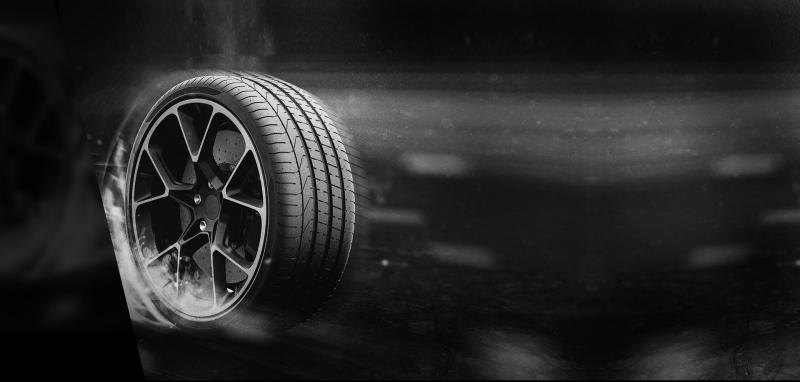
Weather does play an important part in your everyday life. Pleasant weather can make you go to work in a good mood whereas bad weather can destroy your mood. The same goes with your tyres too. If you think that does weather really can affect your tyres? Yes, it can. Weather conditions can also be responsible for affecting the tyres too. Fluctuating weather can make your tyres wear out faster. For example, hot weather can make your tyres overheat and expand beyond their original size and cold climate can harden the rubber compound of your tyres which may affect the grip of your tyres. Changing weather conditions may also cause accidents. If you still have doubts about this statement then let's dive into this blog more deeply to know more about how weather can affect Tyres in Birmingham.
Conditions that can affect the lifespan of the tyres
Degradation due to Heat
Long-term heat exposure to hot roads can be responsible for the wearing out of tyres. In summer high temperatures can break the tread of the tyre more quickly. It can also reduce the tyre's effectiveness and safety standards completely. This can also affect the rubber compound of the tyres if the tyres are not inflated properly. Improper inflation can significantly result in an increase in the wearing out of tyres. The friction of heat from the road can reduce the oil and elasticity of the tyres. This can result in the tyre splitting into two and can create a big crack in it. This can be very dangerous to your car and may also result in unfortunate accidents.
Increasing tyre wear in cold weather
Winters and cold weather conditions can result in faster wearing out of tyres. This can also result in decreasing the pressure of the tyre and can affect the fuel efficiency of the vehicle. The cold climatic change can increase the wearing out of the sidewall of the tyre. This can also increase rolling resistance. Cold temperatures can cause the rubber compound of the tyres to become less flexible which leads to less gripping and increased wear on the tread. The worn-out sidewalls can lead to cracking, damage and lastly end the life of the tyres.
Less gripping in icy conditions
It is really easy to lose control during the icy weather as it makes the road slippery and can decrease the gripping of the tyres of your vehicle. Although the gripping of the tyres always gets reduced during the snowy condition. It is recommended to reduce the seed of your vehicle on the snowy and icy roads to ensure the safety of you and your family. It can also save you from sudden acceleration or braking of the vehicle. As the temperature drops it makes the tyres more stiffer and harder which reduces the ability of traction of the tyres. It is recommended to opt for the winter tyres for better tyre performance and the extension of the life of tyres.
Tyre damage due to UV Radiation
Environmental changes can affect the tyre's life as it is a main aspect of the ageing of your tyres. UV rays are not good for the environment as they cause global warming so do your tyres too. UV rays can affect the tyre's life too. The UV rays and sun heat can damage the rubber of the tyres. UV radiations are dangerous and can crack and damage the rubber of the tyres. This can decrease the lifespan of your tyres and can also lead to blow out of your tyres. To avoid sun exposure park your car in the parking or garage. If you don't have any area to park, then use a car cover to protect the paint as well as the tyres of your vehicle.
Tyre expansion due to excess heat
Excess heat can be dangerous for living as well as non-living things so for your tyres too. There is an air called nitrogen present in the tyre, which can be affected by the heat outside. The excess heat can expand the air present in the tyres. This expansion can cause the overinflation and blowout of the tyre. Overinflation reduces the contact of the tyre with the road, which directly triggers the traction and handling of the tyre. Also, underinflated tyres can overheat which can result in the separation of the tread and can end the life of the tyres. Furthermore, the rubber compounds of all the tyres are built differently according to the particular range of the temperature and climatic change.
Final Thoughts
Understanding the causes of tyre damage is important to ensure the safety and performance of the vehicle. Timely inspection of your vehicle and safe driving can prevent the damage of the tyres. Taking preventive measures can reduce the risks and accidents in different climatic conditions. Never underestimate your tyre's condition and drive according to climatic changes to avoid accidents. Always remember to maintain the tyre as it saves a lot of money can make your tyres run for longer periods and also contributes to a better and safer journey.
Post Your Ad Here
Comments