The Ultimate Guide to Automatic Checkweighers, Load Cell Weight Indicators, Logistics Checkweighers,
The Ultimate Guide to Automatic Checkweighers, Load Cell Weight Indicators, Logistics Checkweighers, and Packing Scales
In today’s fast-paced industrial and commercial environment, precision and efficiency are no longer luxuries—they’re necessities. Whether you’re in the food, pharmaceutical, or logistics industries, ensuring your products are properly weighed and packaged is critical to maintaining quality, customer satisfaction, and compliance with regulations. Enter automatic checkweighers, load cell weight indicators, logistics checkweighers, and packing scales—essential tools that streamline these processes. Let’s delve into the ins and outs of these technologies and their significance in modern operations.
What Are Automatic Checkweighers and Why Are They Important?
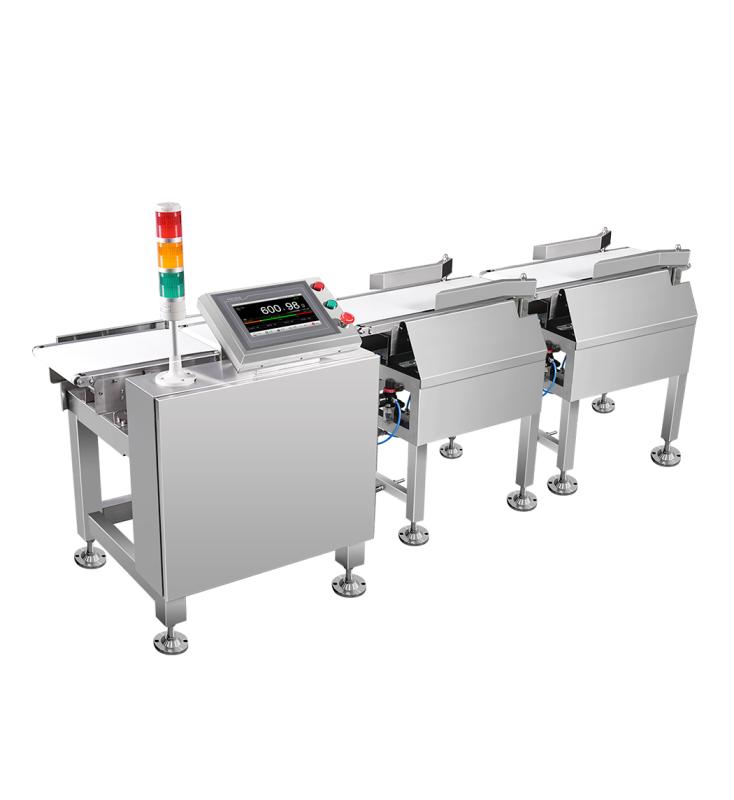
Automatic checkweighers are high-speed, precision instruments designed to verify the weight of items as they move along a production line. They ensure that every product complies with weight specifications without halting production. Think of them as the unsung heroes of quality control—always vigilant, always precise.
These machines are particularly critical in industries where accurate weight impacts customer trust or regulatory compliance. For example, a pharmaceutical company distributing capsules needs to ensure that every bottle contains the correct dosage. Similarly, in food production, maintaining consistent weight avoids customer complaints and costly recalls.
Modern automatic checkweighers are equipped with advanced features like touch-screen interfaces, data storage for reporting, and integration capabilities with other production line equipment. Their speed and reliability make them indispensable for businesses aiming to scale while maintaining high standards.
Understanding Load Cell Weight Indicators
Load cell weight indicators are the backbone of weighing systems. They measure the force exerted on a load cell and convert it into readable weight measurements. These indicators are used in various applications, from small-scale commercial weighing systems to heavy-duty industrial setups.
What makes load cell weight indicators indispensable? Their accuracy and durability. Whether used in a lab to weigh minute quantities or in a warehouse for bulk materials, they provide reliable data that ensures operational consistency.
Many modern indicators are equipped with digital displays, advanced communication capabilities, and programmable settings. They can connect seamlessly with other devices like printers, computers, or PLCs (Programmable Logic Controllers), enabling real-time data sharing for better decision-making.
In logistics and shipping industries, load cell weight indicators play a vital role in monitoring cargo weights, ensuring trucks and containers comply with legal weight limits, and preventing accidents or penalties.
How Logistics Checkweighers Transform Supply Chains
Logistics checkweighers are specialized weighing systems tailored for supply chain operations. They are designed to weigh packages or parcels efficiently, ensuring that weights match billing and shipping requirements. Their integration into conveyor systems allows businesses to maintain fast-paced operations without sacrificing accuracy.
For e-commerce and shipping giants, logistics checkweighers are indispensable. They not only help calculate shipping costs but also identify discrepancies in package contents, preventing fraud or errors. Furthermore, with the rise of automated warehouses, logistics checkweighers integrate seamlessly into robotic systems, enhancing productivity and accuracy.
Many logistics checkweighers come equipped with features like barcode scanning, data management software, and connectivity options to streamline operations. These systems ensure that goods are weighed, sorted, and tracked with minimal manual intervention.
Packing Scales: The Cornerstone of Efficient Packaging
Packing scales are crucial in industries where the packaging process determines product presentation, safety, and compliance. They ensure that products are weighed and packed correctly, reducing waste and optimizing costs.
From portioning food items to filling bottles or boxes with liquids or solids, packing scales are versatile tools. In small-scale operations, they might be standalone devices, while in larger facilities, they’re integrated into automated packing lines.
Advanced packing scales feature multi-functional settings, allowing businesses to set weight thresholds, track production data, and even communicate with other equipment. For industries like cosmetics, pharmaceuticals, and food production, packing scales ensure that every item meets exact weight specifications, preventing underfilling or overfilling.
Key Benefits of Using These Technologies Together
When you combine automatic checkweighers, load cell weight indicators, logistics checkweighers, and packing scales, you create a robust system that optimizes operations at every level. Here’s how:
- Improved Accuracy: Whether you’re weighing raw materials, finished products, or packages, these tools ensure precise measurements.
- Increased Efficiency: Automation reduces manual labor, speeds up processes, and minimizes errors.
- Regulatory Compliance: Industries like food and pharmaceuticals rely on these systems to meet legal weight and safety standards.
- Cost Savings: By preventing overfilling, underfilling, or shipping errors, businesses save on materials and avoid potential fines.
- Enhanced Data Management: Many of these devices integrate with software systems, providing valuable insights for process improvement.
Real-World Applications of These Tools
- Food and Beverage: Automatic checkweighers and packing scales ensure that snacks, beverages, and other consumables meet exact weight standards.
- Pharmaceuticals: Precision weighing tools guarantee accurate dosages and compliance with strict industry regulations.
- E-commerce: Logistics checkweighers optimize shipping costs and prevent package weight discrepancies.
- Manufacturing: Load cell weight indicators monitor material usage and inventory, reducing waste and improving efficiency.
Choosing the Right Equipment for Your Needs
When investing in automatic checkweighers, load cell weight indicators, logistics checkweighers, or packing scales, consider the following factors:
- Capacity and Accuracy: Ensure the device can handle the weight range and precision you need.
- Integration Capabilities: Look for equipment that can connect to your existing systems for seamless data sharing.
- Durability and Reliability: Industrial environments demand robust equipment that can withstand harsh conditions.
- Ease of Use: User-friendly interfaces and programmable settings make operation and maintenance easier.
- Customization Options: Choose systems that can be tailored to your specific processes and requirements.
Conclusion
The integration of automatic checkweighers, load cell weight indicators, logistics checkweighers, and packing scales into modern operations is not just a trend—it’s a necessity. These tools ensure accuracy, efficiency, and compliance, enabling businesses to thrive in competitive industries.
Whether you’re managing a production line, optimizing supply chain logistics, or improving packaging processes, these technologies provide the precision and reliability needed to succeed. Investing in high-quality equipment tailored to your needs can revolutionize your operations, reducing costs and enhancing customer satisfaction.
FAQs
1. What industries benefit the most from automatic checkweighers?
Automatic checkweighers are widely used in food production, pharmaceuticals, manufacturing, and logistics to ensure product accuracy and quality.
2. Can load cell weight indicators be used in harsh environments?
Yes, many load cell weight indicators are designed to withstand extreme conditions, such as high temperatures, humidity, or heavy industrial usage.
3. Are logistics checkweighers suitable for small-scale businesses?
Absolutely. While often used in large-scale operations, there are compact and affordable models tailored for smaller businesses.
4. How do packing scales prevent product wastage?
Packing scales ensure that products are weighed accurately, reducing overfilling and minimizing material waste.
5. Can these systems integrate with ERP or warehouse management systems?
Yes, many modern devices are equipped with connectivity options to integrate seamlessly with ERP and WMS platforms for better data management.
Post Your Ad Here
Comments