Boost Your Eye Health with Vitamin A, C, E, and Omega-3 Rich Foods for Better Vision!
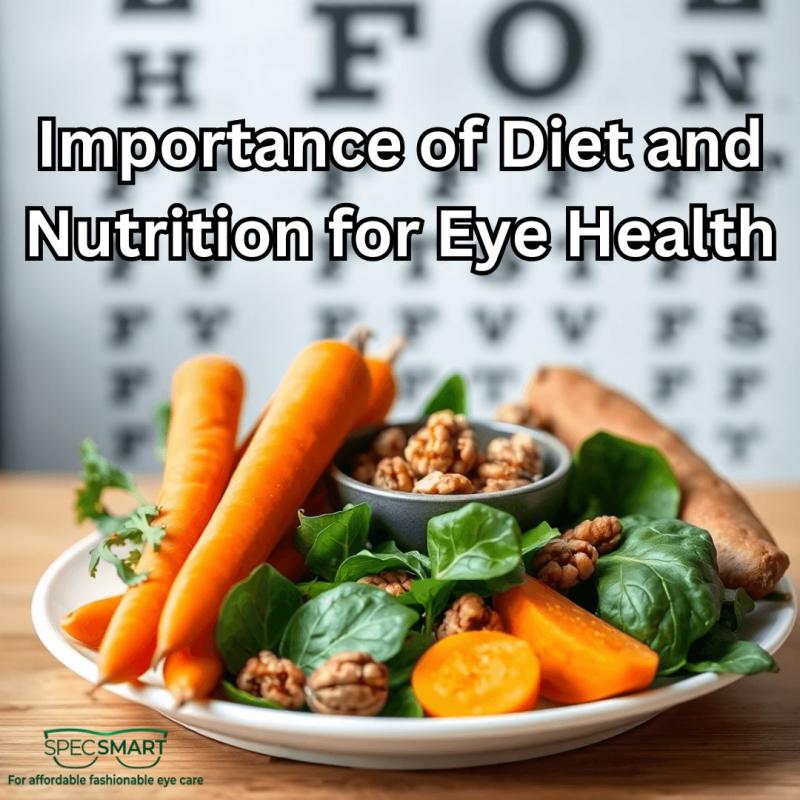
The Importance of Diet and Nutrition for Eye Health: Foods Rich in Vitamin A, C, E, and Omega-3 Fatty Acids
Our eyes, often referred to as the "windows to the soul," play an integral role in our daily lives. They allow us to engage with the world around us, and without them, many of our activities would be drastically limited. While we often focus on eye health in terms of protective eyewear or corrective lenses, nutrition plays a vital role in maintaining and enhancing our vision.
Incorporating the right nutrients into our diet can not only preserve the health of our eyes but also help prevent or manage eye conditions like macular degeneration, cataracts, and dry eyes. Among the most important nutrients for eye health are vitamins A, C, and E, as well as omega-3 fatty acids. This article explores how these nutrients benefit the eyes and suggests foods that are rich in these essential compounds.
Vitamin A: The Vision Vitamin
Vitamin A is one of the most important nutrients for maintaining healthy vision. It is a fat-soluble vitamin that plays a crucial role in the production of rhodopsin, a protein in the retina that allows us to see in low light conditions. Without adequate vitamin A, vision in dim light can become impaired, leading to night blindness.
How Vitamin A Benefits the Eyes
- Supports Vision: Vitamin A helps maintain the health of the retina and cornea. It is crucial for the proper functioning of the cells in the eyes.
- Prevents Dry Eyes: Vitamin A is also essential for producing the mucus in the eyes that keeps them moist, preventing dry eye syndrome.
- Reduces the Risk of Age-Related Macular Degeneration (AMD): Studies have shown that a lack of vitamin A may contribute to the development of AMD, a condition that leads to the deterioration of the central portion of the retina, affecting vision.
Foods Rich in Vitamin A
- Carrots: One of the most famous sources of vitamin A, carrots are packed with beta-carotene, which the body converts into vitamin A.
- Sweet Potatoes: Another excellent source of beta-carotene, sweet potatoes provide a significant amount of vitamin A.
- Spinach and Kale: These leafy greens are rich in lutein and zeaxanthin, antioxidants that support overall eye health and are also precursors to vitamin A.
- Eggs: The yolks of eggs contain a form of vitamin A called retinol, which is directly usable by the body.
Vitamin C: The Antioxidant Defender
Vitamin C, also known as ascorbic acid, is a powerful antioxidant that protects the eyes from oxidative stress. This vitamin helps neutralize free radicals that can cause cellular damage, which is a leading factor in the development of cataracts and other age-related eye diseases.
How Vitamin C Benefits the Eyes
- Prevents Cataracts: Cataracts occur when the lens of the eye becomes cloudy, impairing vision. Vitamin C helps prevent this clouding by protecting the lens from oxidative damage.
- Supports Blood Vessel Health: The tiny blood vessels in the retina are crucial for delivering nutrients to the eyes. Vitamin C strengthens these vessels, ensuring proper eye health.
- Promotes Healing: Vitamin C is vital for the healing of tissues, and since the eyes are vulnerable to injury, adequate intake of this vitamin is necessary for rapid recovery.
Foods Rich in Vitamin C
- Citrus Fruits: Oranges, lemons, grapefruits, and other citrus fruits are well-known for their high vitamin C content.
- Bell Peppers: These colorful vegetables are rich in vitamin C, particularly the red and yellow varieties.
- Broccoli: This cruciferous vegetable is another excellent source of vitamin C, and it also contains other eye-healthy nutrients like lutein and zeaxanthin.
- Kiwi: A tropical fruit that packs a punch in terms of vitamin C content.
Vitamin E: The Protector Against Free Radicals
Vitamin E is another potent antioxidant that helps protect the eyes from oxidative damage caused by free radicals. This fat-soluble vitamin also supports the health of the cell membranes in the eyes, helping to keep them strong and resilient against the effects of aging.
How Vitamin E Benefits the Eyes
- Reduces the Risk of Cataracts: Like vitamin C, vitamin E helps prevent the development of cataracts by protecting the lens from oxidative stress.
- Protects the Retina: The retina is especially vulnerable to damage due to its high oxygen consumption. Vitamin E supports retinal health by neutralizing free radicals.
- Slows Down Age-Related Eye Diseases: Vitamin E may also help reduce the progression of age-related macular degeneration (AMD) and other degenerative eye conditions.
Foods Rich in Vitamin E
- Almonds: Almonds are an excellent source of vitamin E, providing a healthy snack that supports eye health.
- Sunflower Seeds: These seeds are rich in vitamin E and make for a great addition to salads, yogurt, or smoothies.
- Spinach: This leafy green is a great source of both vitamin E and other essential eye-healthy nutrients like lutein and zeaxanthin.
- Avocados: Known for their healthy fats, avocados also contain significant amounts of vitamin E.
Omega-3 Fatty Acids: The Essential Fats for Eye Health
Omega-3 fatty acids are essential fats that play a key role in maintaining the health of the retina. These fats cannot be produced by the body and must be obtained through diet or supplementation. Omega-3s are known for their anti-inflammatory properties, which are particularly beneficial for the eyes.
How Omega-3 Fatty Acids Benefit the Eyes
- Prevents Dry Eye Syndrome: Omega-3s help reduce inflammation in the eyes, which can prevent the symptoms of dry eye syndrome, such as irritation and blurred vision.
- Protects Retina Health: Omega-3s are essential for maintaining the structure of the retina and protecting it from damage caused by oxidative stress.
- Reduces the Risk of AMD: Studies suggest that omega-3 fatty acids may lower the risk of developing age-related macular degeneration, a leading cause of vision loss in older adults.
Foods Rich in Omega-3 Fatty Acids
- Fatty Fish: Fish such as salmon, mackerel, sardines, and trout are rich sources of omega-3s.
- Chia Seeds: These tiny seeds are a plant-based source of omega-3s and are easy to incorporate into smoothies, oatmeal, and baked goods.
- Flaxseeds: Another plant-based source of omega-3s, flaxseeds can be sprinkled on salads, mixed into yogurt, or added to smoothies.
- Walnuts: Walnuts are not only high in omega-3s but also contain other nutrients that support overall health.
Putting It All Together: A Vision-Boosting Diet
To support optimal eye health, it’s essential to maintain a balanced diet that includes foods rich in vitamins A, C, E, and omega-3 fatty acids. A diet that includes a variety of colorful fruits and vegetables, healthy fats, and lean proteins will help ensure that your eyes are getting the nutrients they need to stay healthy.
Here’s an example of a vision-boosting meal plan:
- Breakfast: A smoothie made with spinach, citrus fruits, chia seeds, and a handful of walnuts.
- Lunch: A salad with mixed greens, bell peppers, avocado, and grilled salmon, drizzled with olive oil.
- Snack: A handful of almonds and sunflower seeds.
- Dinner: Grilled mackerel with roasted sweet potatoes and steamed broccoli.
By incorporating these eye-healthy foods into your diet, you can reduce the risk of developing common eye conditions, maintain good vision, and promote overall eye health well into your later years.
Conclusion
In conclusion, nutrition plays a vital role in maintaining eye health and preventing common vision problems. Vitamins A, C, E, and omega-3 fatty acids all support various aspects of eye function and can help protect the eyes from age-related damage and degenerative diseases. By consuming a balanced diet that includes foods rich in these essential nutrients, you can support your vision and enjoy healthy eyes for years to come.
Taking care of your eyes starts with what you put into your body. So next time you sit down for a meal, think about the foods you can eat that will not only nourish your body but also keep your eyes sharp and vibrant. Your vision is precious, and with the right nutrients, you can ensure it lasts a lifetime.
Post Your Ad Here
Comments