Why Manufacturing ERP Is the Best Tool for Boosting Productivity
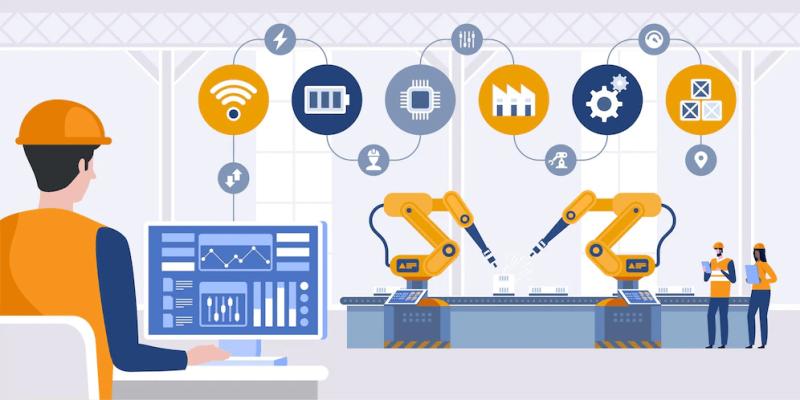
Improving productivity is vital for any manufacturing business aiming to stay competitive. A Manufacturing ERP (Enterprise Resource Planning) system is an effective way to achieve this. It helps companies improve their operations by managing tasks efficiently and reducing errors. Let’s explore how this system can transform your manufacturing processes.
What Is a Manufacturing ERP?
A Manufacturing ERP is software designed to bring various business processes together under one platform. It handles tasks like inventory control, production scheduling, quality checks, and financial tracking. With all this information in one place, companies can save time, improve accuracy, and make faster decisions.
Why Productivity Is Essential in Manufacturing
Productivity ensures a company can produce more output with the same or fewer resources. It directly impacts:
Lower production costs
Faster delivery times
Better customer satisfaction
A stronger position in the market
Without a structured approach, achieving high productivity levels is challenging. That’s where ERP systems play a critical role.
How Manufacturing ERP Boosts Productivity
1. Simplifies Complex Tasks
Manufacturing involves many processes, from sourcing materials to delivering finished products. A Manufacturing ERP reduces the time spent on repetitive tasks by automating them, such as order management and inventory updates. This allows your team to focus on essential responsibilities.
2. Provides Real-Time Data
Having accurate and updated information is key to making quick decisions. Manufacturing ERPs offer instant access to data, such as stock levels or production progress. This helps in addressing potential delays and keeping production on track.
3. Manages Inventory Efficiently
Maintaining the right inventory levels can be tricky. An ERP system keeps track of inventory movements and predicts future needs based on past trends. This minimizes wastage and ensures that materials are always available when required.
4. Ensures Consistent Quality
Quality problems can lead to customer dissatisfaction and higher costs. ERP systems monitor quality at every stage, reducing errors and helping deliver products that meet your standards.
5. Connects All Departments
Using different tools for each department often leads to miscommunication. A Manufacturing ERP connects teams like production, sales, and logistics, ensuring everyone works with the same information. This improves efficiency across the business.
6. Supports Growth
As your business grows, your operations will naturally become more complicated. An ERP system adjusts to your increasing needs, ensuring you remain efficient as demand rises.
7. Reduces Costs
By cutting down on errors, improving resource usage, and automating manual tasks, an ERP system helps save money. This translates into better profit margins.
How to Select the Right Manufacturing ERP
Choosing the right ERP system depends on your business needs. Here are some tips to help you decide:
1. Look for Industry-Specific Features
The software should include tools tailored for manufacturers, such as production scheduling, material requirements planning (MRP), and equipment maintenance tracking.
2. Check for User-Friendly Design
A simple interface makes it easier for employees to adopt the system. Complicated designs can reduce effectiveness and lead to frustration.
3. Ensure Compatibility with Existing Tools
Your ERP should integrate well with current systems, like accounting or supply chain tools. This avoids disruption and ensures a smooth transition.
4. Consider Cloud or On-Site Options
Decide whether a cloud-based system or one installed on your company’s premises suits you better. Cloud systems are often more flexible, while on-premise solutions offer better control.
5. Evaluate Support Services
Choose a vendor that provides strong support, including training, regular updates, and quick responses to issues.
A Real Example of Success with Manufacturing ERP
One mid-sized manufacturer struggled with high production costs and delays in deliveries. After adopting a Manufacturing ERP, they achieved:
A 25% reduction in production time
Better control of their supply chain
Higher customer satisfaction due to improved delivery times
This highlights how effective ERP Services can be in overcoming operational challenges.
Conclusion
Manufacturing ERPs are essential for companies looking to improve productivity and efficiency. By automating processes, managing resources effectively, and ensuring quality, these systems provide long-term value. Investing in the right Manufacturing ERP Software is a step toward achieving your business goals.

Post Your Ad Here
Comments (1)
Anjali Verma2
Content Writer
very helpful information keep doing