Features and uses of different types of crucibles
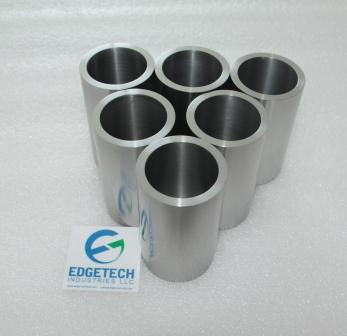
Crucibles are specialized containers for
melting metallic materials at very high temperatures. The molten material is
cast into new objects or used to make new alloys (different metals combined in specific
proportions). Since crucibles are used to melt materials at high temperatures,
the material used to make the crucible must have a higher melting point than
the molten metal.
Different types of crucibles are used for
different purposes, including research, experimentation, chemical analysis,
industrial testing, quality control, and even academia.
These crucibles are made of kiln-fired
clay. They are stable at high temperatures. Ceramic crucibles have been used in
metalworking for over 7000 years. Most ceramic crucibles are used in
combination with clay and graphite for durability.
Tungsten Crucible
Tungsten
crucibles are products made of tungsten metal, which has very high heat
resistance. The crucible temperature is as high as 3410°C. The manufacturing
process of tungsten crucible is divided into spinning, stamping, forging and
sintering. Tungsten is resistant to certain molten metals and metal oxides.
Tungsten crucibles are widely used in the technology of growing single crystals
from molten corundum; it is also used in electronic technology and thermal
vapor deposition technology of various substances.
Clay graphite crucible
Graphite crucibles are mainly used for
casting non-ferrous and ferrous metals. This is due to their non-reactivity;
they can withstand very high temperatures.
Molybdenum Crucible
Molybdenum is a
naturally ductile metal with strong corrosion resistance. Apart from tantalum
and tungsten, molybdenum is known to have the highest melting point of the pure
elements. Molybdenum crucibles are widely used in heat exchanger method (HEM)
processes. They are suitable for melting and solidifying single crystals. The
ideal molybdenum crucible has thin walls and excellent creep resistance.
Silicon carbide crucible
Silicon carbide crucibles are highly
resistant to extreme temperatures, making them suitable for use in modern
laboratories. Additionally, they are not chemically reactive and can be used to
provide contamination-free results.
steel crucible
Stainless steel crucibles are made from a
single piece of material. They are not as fragile as porcelain crucibles. Steel
crucibles are used for low-temperature applications and can be used to melt
lower melting point metals such as aluminum and zinc. Be aware that steel
crucibles will rapidly scale and flake, and will contaminate the final alloy.
Crucibles are made of ceramic materials
that can withstand very high temperatures, and they must have a much higher
melting point than the material melted in the crucible. Crucibles can also be
made of metals such as tungsten and molybdenum to produce tungsten and
molybdenum crucibles.
Post Your Ad Here
Comments