What Is Information and Communication Technology?
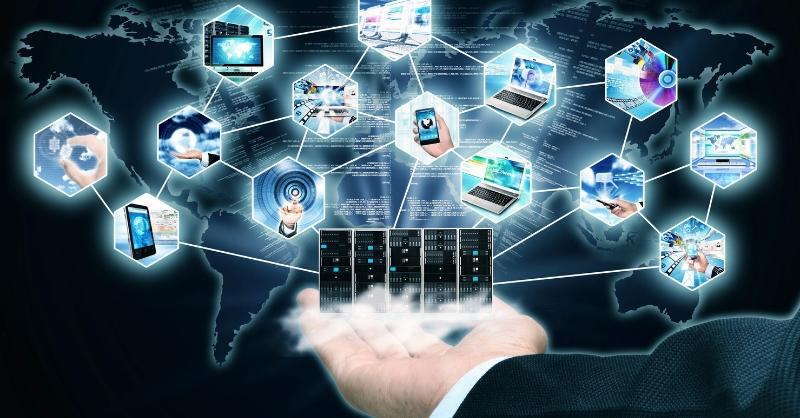
Information and Communication Technology (ICT) is an essential part of our daily lives. It refers to the infrastructure and components that enable modern computing, connecting people, businesses, and governments worldwide. Through the use of any communication device and all communication technologies, ICT makes it possible to share, process, and store information effectively.
Key Takeaways:
ICT stands for Information and Communication Technology.
It includes both different types of communications networks and the technologies used in them.
ICT impacts education, healthcare, business, and entertainment in everyday life.
It involves the integration of information technology and communication technologies to enable seamless interaction.
The infrastructure and components of ICT power modern computing systems globally.
Why Is ICT Important?
Information and Communication Technology connects us in ways never imagined before. It combines information technology and communication technologies, allowing people to access services, exchange ideas, and collaborate effortlessly. From sending emails to managing online banking, ICT simplifies life.
Benefits of ICT:
Enhances Communication: Instant messaging, video calls, and social media improve interaction.
Promotes Education: Online learning platforms enable global access to knowledge.
Improves Healthcare: Electronic health records and telemedicine streamline services.
Drives Business Growth: Digital marketing and e-commerce open new opportunities.
Enables Entertainment: Streaming services and gaming platforms provide global connectivity.
Components of Information and Communication Technology
1. Hardware
ICT hardware includes devices like:
Computers and laptops
Smartphones and tablets
Servers and storage devices
2. Software
Software enables these devices to function effectively:
Operating systems
Productivity tools (e.g., spreadsheets, word processors)
Communication applications (e.g., video conferencing tools)
3. Networking
Communication networks form the backbone of ICT:
Wired and wireless networks
The Internet and intranets
Satellite communication
4. Data and Databases
Managing data is critical for ICT systems:
Databases store vast amounts of information.
Cloud computing enables remote data access.
Component | Description | Examples |
|---|---|---|
Hardware | Physical devices in ICT systems | Computers, servers |
Software | Programs and applications for tasks | Operating systems, apps |
Networks | Systems connecting devices | Internet, Wi-Fi networks |
Data | Information stored and processed | Cloud storage, databases |
How Does ICT Work?
Information and communication technology uses a combination of communication devices and technologies to process data. Here’s how it works:
Data Collection: Information is gathered from users via input devices like keyboards or cameras.
Data Transmission: Communication networks send this information to other systems or devices.
Data Storage: ICT systems use databases and servers to store information securely.
Data Processing: Computers or applications process the data to create meaningful results.
Data Sharing: Output devices or communication technologies display results or send them to recipients.
Applications of ICT in Everyday Life
1. Education
ICT tools transform how we learn:
Online classes make education accessible worldwide.
Digital libraries provide vast resources.
2. Healthcare
Information technology improves patient care:
Telemedicine connects patients and doctors remotely.
Medical records are digitized for efficiency.
3. Business
Communication technologies streamline operations:
Virtual meetings reduce travel costs.
E-commerce expands business opportunities globally.
4. Entertainment
ICT offers limitless entertainment:
Video streaming services provide on-demand access.
Gaming platforms connect players globally.
Different Types of Communication Networks
1. Local Area Networks (LAN)
LANs connect devices within a small area, like an office or home.
2. Wide Area Networks (WAN)
WANs link devices over large distances, often using satellites or fiber optics.
3. Wireless Networks
Wireless networks like Wi-Fi enable mobility and connectivity without cables.
Type | Usage Area | Examples |
|---|---|---|
Local Area Network (LAN) | Offices, schools | Intranets, home networks |
Wide Area Network (WAN) | Countries, continents | Internet connections |
Wireless Network | Mobile connectivity | Wi-Fi, cellular networks |
Advancements in ICT
The evolution of information communications technology is ongoing:
Cloud Computing: Stores data remotely for easy access.
Artificial Intelligence: Powers smarter applications.
Internet of Things (IoT): Connects devices seamlessly.
5G Technology: Enables faster communication networks.
Challenges of ICT
Although ICT brings many benefits, it also has challenges:
Digital Divide: Not everyone has equal access to technology.
Cybersecurity Threats: Protecting sensitive data is critical.
Complexity: Managing advanced systems requires expertise.
Key Terms in ICT
Term | Definition |
|---|---|
ICT | Integration of information technology and communication technologies |
Communication Technology | Tools used for sharing information |
Networks | Systems connecting devices for data transfer |
Information Technology | Use of computers to store and process data |
Conclusion
Information and Communication Technology (ICT) plays a vital role in connecting the world. It integrates both different types of communications networks and the technologies used in them to improve lives. From education to business, ICT is shaping the future. Embracing these technologies will ensure continued innovation and growth.
Post Your Ad Here