Mobile App Development Process: A Step-by-Step Guide
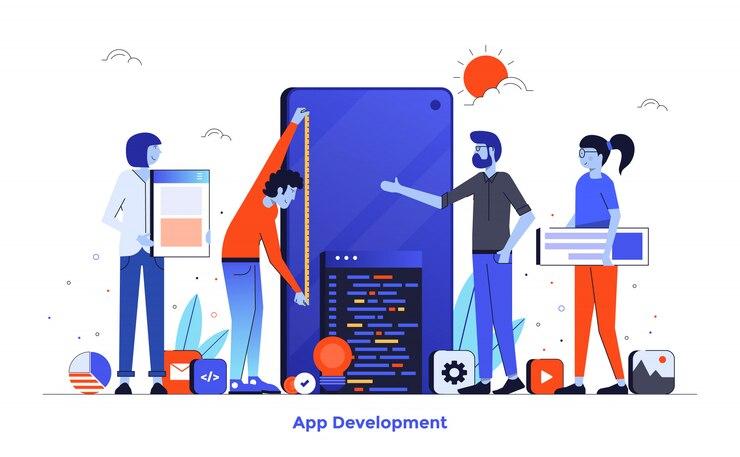
Turning an idea into a mobile app is a rewarding journey. This streamlined guide walks you through the latest steps to build, launch, and scale a user-loved app for business, lifestyle, or entertainment.
1. Select the Right Development Partner
A skilled team transforms your vision into reality with cutting-edge tech and strategy.
What to look for:
- Expertise: Review portfolios for apps in your niche (e.g., e-commerce, health).
- Reputation: Check Clutch or Upwork reviews for reliability.
- Communication: Prioritize teams with clear updates and agile workflows.
- Location: Balance cost and quality offshore teams in India or Eastern Europe often offer high value.
2. Define Your Idea
Lay a solid foundation by clarifying your app’s purpose.
- Problem: What pain point does your app address?
- Audience: Define user demographics and needs via personas.
- Competitors: Analyze rival apps’ features and reviews to stand out.
- Goals: List core features (e.g., push notifications, AI chatbot) and KPIs (e.g., 10K downloads in 3 months).
3. Validate with Market Research
Confirm demand before heavy investment.
- Surveys: Use Google Forms or Typeform to gather user feedback.
- Competitor Gaps: Study App Store/Play Store reviews for unmet needs.
- Prototyping: Build low-fidelity wireframes in Figma to test concepts.
4. Design UI/UX
Create an intuitive, visually appealing app.
- Wireframes: Sketch screen layouts and navigation flows.
- UI Design: Use minimalist design, dark mode, and accessible fonts (e.g., Roboto, Inter).
- User Flows: Map seamless journeys (e.g., onboarding to checkout).
- Prototypes: Test interactive mockups in Adobe XD or InVision.
5. Develop Front-End & Back-End
Bring your app to life with robust coding.
- Front-End: Build user interfaces with Flutter 3.0 or React Native 0.75 for iOS/Android compatibility.
- Back-End: Use Node.js or Django for server logic, Firebase for real-time databases.
- APIs: Integrate services like Stripe (payments) or Google Maps (location).
6. Test & Optimize
Ensure a flawless app with rigorous quality assurance.
- Functional Testing: Verify features work (e.g., login, search).
- Performance: Check load times and 5G compatibility.
- Usability: Test navigation with real users.
- Device Testing: Use BrowserStack for cross-device compatibility.
- Security: Implement zero-trust and biometric authentication.
7. Launch & Deploy
Release your app to the world.
- App Store Prep: Craft compelling screenshots, descriptions, and ASO keywords.
- Approval: Follow Apple/Google guidelines (expect 1–3 days for review).
- Launch Campaign: Promote via TikTok ads, email blasts, or influencer partnerships.
8. Maintain & Support
Keep your app relevant post-launch.
- Feedback: Monitor App Store reviews and in-app analytics (e.g., Firebase Analytics).
- Bug Fixes: Patch issues within 24–48 hours.
- Updates: Add AI-driven features or UX enhancements based on usage data.
- Monitoring: Track crashes and uptime with Sentry or New Relic.
9. Market & Monetize
Drive downloads and revenue.
- ASO: Optimize keywords and visuals for 65% higher discoverability.
- Marketing: Use AI-targeted ads on Instagram Reels or Google Ads.
- Monetization:
- Subscriptions (e.g., $4.99/month for premium features)
- In-App Purchases (e.g., virtual goods)
- Freemium Model (free core features, paid upgrades)
Conclusion
Building a mobile app demands a blend of user insight, modern tech, and strategic marketing. With this roadmap and a trusted team, you can create an app that delights users and scales with your vision.
1 people like it

