The Importance of Dust Extraction in Industrial Settings
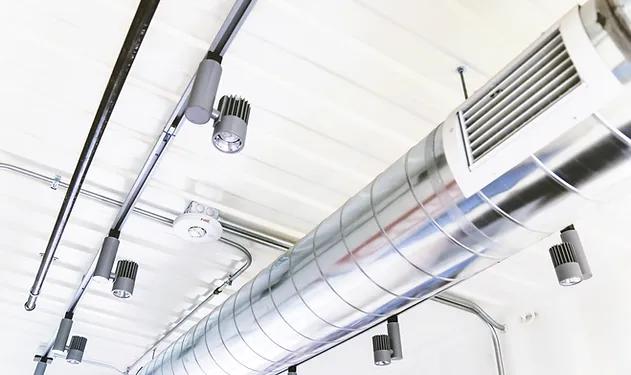
Dust extraction systems play a critical role in maintaining a safe and efficient working environment in industrial settings. They are designed to capture and remove airborne particles generated during manufacturing processes, helping to protect both workers and equipment. This article explores the significance of dust extraction, its benefits, and the implications of neglecting proper dust management.
Health and Safety Benefits
One of the primary reasons for implementing dust extraction systems is to protect the health and safety of employees. Inhalation of dust particles can lead to respiratory issues, skin irritations, and other serious health problems. Industries such as woodworking, metalworking, and construction often produce harmful dust, including wood dust, metal shavings, and silica particles. Effective dust extraction helps to significantly reduce these health risks, ensuring a safer workplace.
Enhanced Productivity
A clean working environment contributes to increased productivity. Dust accumulation can hinder machinery performance and reduce operational efficiency. When dust settles on equipment, it can cause overheating, mechanical failure, and increased maintenance costs. By maintaining a dust-free workspace, companies can minimise downtime and enhance the overall efficiency of their operations.
Compliance with Regulations
Many countries have strict regulations regarding workplace air quality and dust exposure. Organisations are required to comply with these standards to ensure the safety of their workers. Implementing an effective dust extraction system not only helps meet regulatory requirements but also demonstrates a commitment to employee welfare. Failure to comply can result in fines, legal issues, and damage to a company’s reputation.
Improved Air Quality
Beyond health and safety, dust extraction systems significantly improve indoor air quality. Poor air quality can lead to a host of problems, including decreased worker morale and productivity. Clean air contributes to a more pleasant working environment, leading to better employee satisfaction and retention. Moreover, maintaining good air quality can reduce the likelihood of sick days, further enhancing productivity.
Cost-Effectiveness
Investing in dust extraction systems can lead to long-term cost savings. While the initial setup may require a financial outlay, the benefits often outweigh the costs. Reduced health issues mean lower healthcare costs and fewer workers' compensation claims. Additionally, protecting machinery from dust-related damage can lead to decreased repair and maintenance expenses.
Environmental Considerations
Dust extraction systems also have environmental benefits. By capturing and managing dust emissions, industries can reduce their overall environmental footprint. This is particularly important in today’s world, where sustainability and corporate responsibility are increasingly prioritised. Implementing effective dust management practises can enhance a company's reputation and align with broader environmental goals.
Conclusion
In summary, dust extraction systems are essential for ensuring health and safety in industrial settings, enhancing productivity, maintaining compliance with regulations, improving air quality, and providing cost-effective solutions. As industries continue to evolve, the importance of effective dust management will only grow. Companies that prioritise dust extraction will not only protect their employees and equipment but also position themselves as leaders in their fields, committed to safety, efficiency, and sustainability.
Post Your Ad Here
Comments