Saffron is Battling the obesity epidemic
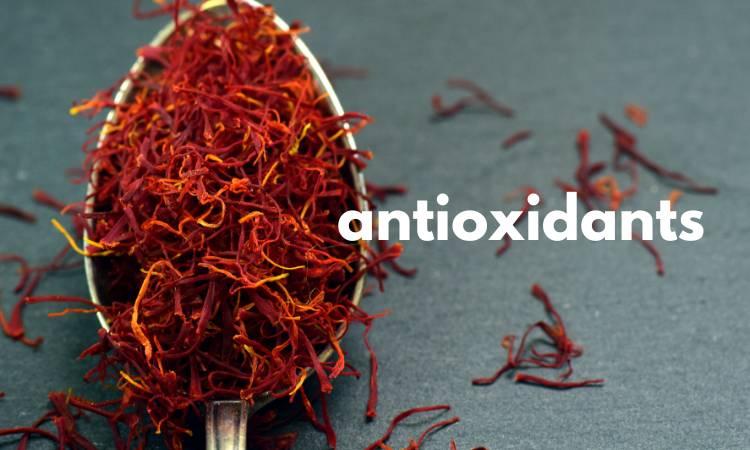
In many discussions about weight management, people often focus on looks rather than the real health risks of being overweight.
Clinical obesity, which is having a Body Mass Index (BMI) of 30 or higher, raises the chances of serious health issues like stroke, heart disease, cancer, diabetes, and sleep apnea. Knowing how saffron and its compounds can help is important for tackling these risks.
It's a sensitive topic, but it's crucial to discuss it because keeping a healthy weight can enhance life quality and lower the risk of severe illness or early death.
Sadly, many individuals resort to trendy diets or unrealistic exercise routines to achieve their target weight, often with disappointing results. However, research suggests that saffron can be an effective way to manage the health impacts of obesity and support healthy weight loss. Studies have linked saffron to weight loss and its potential as an anti-obesity agent, as seen in this study on saffron and its impact on weight loss.
Important note: Always check with your doctor before starting any exercise or weight loss program.
Preventing and Treating Obesity
One major challenge in preventing obesity is creating a realistic weight management plan that considers psychological and social factors contributing to weight gain.
While doctors or nutritionists can easily determine the right daily calorie intake for maintaining or losing weight, ensuring that patients stick to their diet plans is much harder.
A big issue is that even disciplined people often snack between meals—especially during stressful times. This can lead to overeating and weight gain.
Saffron has been found to help reduce cravings for snacks between meals in healthy, non-obese individuals. One study showed that participants taking saffron extract lost significantly more weight over eight weeks than those who didn't and snacked less often. Researchers believe saffron's mood-boosting properties may help increase feelings of fullness and well-being, leading to less snacking and more weight loss. This demonstrates saffron's potential as a natural solution for obesity.
Treating Metabolic Syndrome
Metabolic syndrome is a condition linked with obesity that includes problems like high blood sugar, high cholesterol and triglycerides, high blood pressure, and a greater risk of stroke and heart disease.
A review article highlighted that three key compounds in saffron (crocin, safranal, and crocetin) have shown effectiveness in treating various risk factors for metabolic disorders. Therefore, these compounds should be considered promising treatment options for this serious condition as evidenced by this study on saffron's effectiveness.
Controlling Diabetes
Type-2 Diabetes (T2D) is one of the most serious and common consequences of obesity. It's crucial to address this issue seriously by considering all available options such as incorporating saffron into one's diet which has shown potential benefits in managing diabetes according to this research. For more personalized advice regarding dietary changes or health concerns related to obesity or diabetes management, contact us for assistance.
FAQs (Frequently Asked Questions)
What are the health risks associated with obesity?
Obesity is linked to serious health risks including stroke, heart disease, cancer, diabetes, and sleep apnea. A clinical definition of obesity is a Body Mass Index (BMI) of 30 or higher.
How does saffron help in managing obesity?
Saffron helps prevent obesity by reducing cravings between meals and managing metabolic syndrome and Type-2 Diabetes. It effectively supports healthy weight loss and manages the medical effects of obesity.
Why are fad diets and unrealistic exercise programs ineffective for weight loss?
Fad diets and unrealistic exercise programs often lead to disappointment as they do not provide sustainable results. They may promote quick fixes rather than long-term lifestyle changes necessary for effective weight management.
What compounds in saffron contribute to its health benefits?
Saffron contains biocompounds such as crocin, safranal, and crocetin that help treat risk factors associated with metabolic syndrome. These compounds also improve fasting blood glucose markers in Type-2 Diabetes patients.
How should saffron be consumed to maximize its benefits?
To maximize saffron's potency, source it from reputable producers using traditional farming methods without heat dehydration. Additionally, avoid brewing saffron with boiling water to preserve its delicate biocompounds.
Who should I consult for advice on saffron supplementation?
It is recommended to consult a certified nutritionist for guidance on saffron dosage and timing as a health supplement to ensure safe and effective use.
Post Your Ad Here
Comments