What is Leather Embossing? Types, Techniques, and the World of Animal Hides
Leather has been a prized material for centuries, valued for its durability and versatility. Among the various techniques used to enhance its appeal, leather embossing stands out. This article will delve into the fascinating world of leather embossing, exploring its types, techniques, and how it can be applied to different types of animal hides.

Leather embossing is a decorative technique that involves pressing a design or pattern into the surface of the leather. This process not only adds visual interest but can also create a textured feel. The result is a stunning piece of art that can be used in various products, from handbags to furniture.
The Process of Leather Embossing
The leather embossing process typically involves several steps:
Preparation of the Leather: The leather must be clean and smooth. Any imperfections can affect the final look of the embossed design.
Design Selection: A design is chosen, whether it’s a simple pattern or a complex image. This design is often carved into a metal plate or created using a heat press.
Pressing the Design: The selected design is then pressed into the leather using heat and pressure. This process permanently alters the surface, leaving a lasting impression.
Finishing Touches: After embossing, the leather may be dyed or treated to enhance its appearance and durability.
Types of Leather Embossing
Leather embossing comes in several varieties, each with its unique characteristics:
1. Blind Embossing
Blind embossing creates a design without any additional color or ink. The result is a subtle, raised pattern that is tactile but understated. This technique is popular for branding products, such as leather wallets or journals, where a discreet logo is desired.
2. Foil Embossing
Foil embossing combines the embossing process with metallic foil application. A metallic foil is pressed onto the leather alongside the design, creating a striking contrast. This technique is often used for luxury items, such as high-end handbags or decorative book covers.
3. Crocodile Embossed Leather
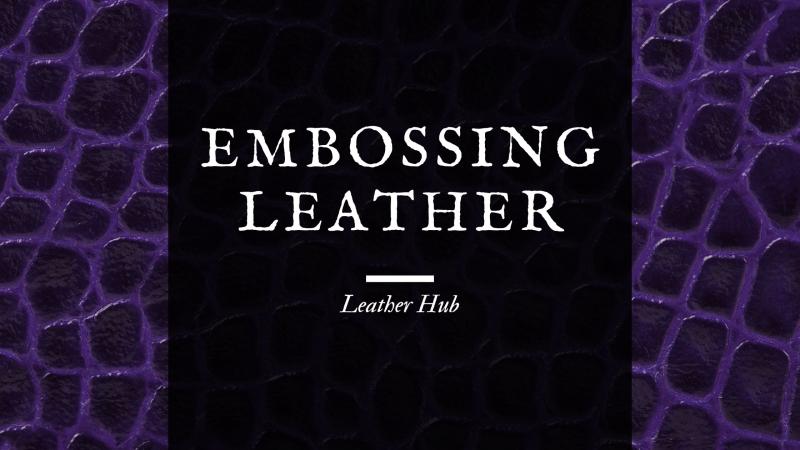
One of the most popular styles is crocodile embossed leather. This technique mimics the natural patterns found on crocodile skin, providing an exotic look without the high cost of real crocodile leather. It is commonly used in fashion accessories, giving products an upscale appeal.
4. Debossing
Debossing is similar to embossing but involves pressing the design into the leather, creating an indented effect. This technique can add depth and dimension to the leather, making it an attractive choice for personalized items like belts or keychains.
5. 3D Embossing
This advanced technique creates a multi-dimensional effect on the leather surface, allowing for more intricate designs. 3D embossing can be used to create stunning artwork on leather, making it a popular choice for custom pieces.
Advantages of Leather Embossing
Leather embossing offers several benefits:
Aesthetic Appeal: The textured designs add visual interest and sophistication to leather products.
Customization: Embossing allows for personalization, making items unique and special.
Durability: The embossing process makes the design an integral part of the leather, ensuring it lasts for years without fading.
Versatility: Leather embossing can be applied to various items, including fashion accessories, furniture, and decorative pieces.
Embossing on Different Types of Animal Hides
Leather embossing is not limited to just one type of leather. It can be performed on various animal hides, each offering unique characteristics:
1. Cowhide
Cowhide is the most commonly used leather for embossing. Its thick and durable nature makes it ideal for various products, from belts to upholstery. The smooth surface of the cowhide allows for crisp designs and patterns.
2. Goatskin
Goatskin is softer and more flexible than cowhide, making it a great option for products that require more pliability, such as gloves or bags. The natural grain of goatskin adds depth to embossed designs.
3. Sheepskin
Sheepskin is known for its luxurious feel and softness. While it may not be as durable as cowhide, it is excellent for items like throws or plush accessories. Embossing on sheepskin can create a beautiful contrast between the texture and the raised design.
4. Deerskin
Deerskin is lightweight and incredibly soft, making it perfect for clothing and accessories. The unique grain pattern of deerskin adds a natural look to embossed designs, enhancing their appeal.
5. Exotic Hides
Exotic animal hides, such as snakeskin or crocodile, can also be embossed. Crocodile-embossed leather, for instance, provides an eye-catching appearance without using real crocodile skin. This technique allows consumers to enjoy the exotic look at a fraction of the price.
Conclusion
Leather embossing is a captivating technique that enhances the beauty and uniqueness of leather products. With various types of embossing available, including blind, foil, and crocodile embossed leather, there’s a style to suit every taste. Moreover, the ability to emboss different types of animal hides opens up endless possibilities for creativity and customization.
As you explore the world of leather embossing, consider how this art form can elevate your leather goods, making them not only functional but also visually stunning. Whether you’re a crafter, a designer, or simply a lover of leather, embracing the art of embossing can lead to extraordinary creations that stand the test of time.
Post Your Ad Here
Comments