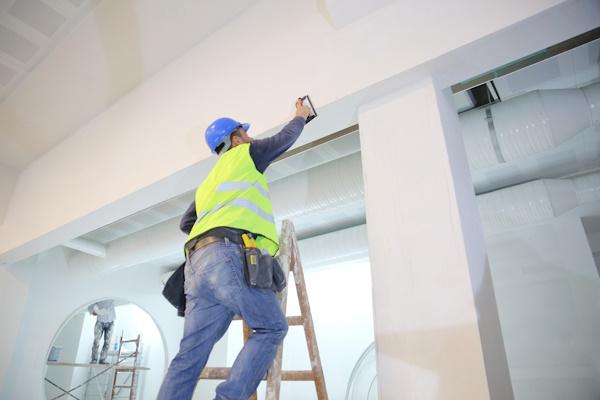
While taking on DIY projects can be quite satisfying and help you save money, plaster skimming is not a task you can easily pick up as you go. It requires a considerable amount of experience and skill, and it’s far more difficult than it initially appears. More often than not, the final result can end up looking worse than where you started, with time spent trying to rectify an uneven finish.
Here are some typical problems you may face if you attempt to skim plaster yourself:
Uneven Surfaces
Getting a perfectly flat, smooth surface is much harder than it looks. Even the smallest blemish becomes highly noticeable once the plaster has dried and the walls are painted. DIY skimming frequently results in uneven patches, waves, or ridges that spoil the look of your freshly refurbished room.
Cracks and Air Pockets
Without the correct technique, it’s all too easy to trap air pockets beneath the plaster. These can form cracks as the plaster cures, leaving you with an unsightly finish. To fix these cracks, you’ll likely need additional time and materials, and may even have to re-plaster entire sections of the wall.
Lack of Proper Preparation
Professional plasterers are well aware that thorough preparation is key to a successful skimming job. Skipping important steps like sealing the surface with PVA or filling larger gaps can lead to poor adhesion, which might cause the plaster to crack or peel. Many DIYers overlook these crucial preparatory stages, resulting in a low-quality finish.
Time-Pressured Task
Plaster skimming is a time-sensitive task. The plaster dries relatively quickly, meaning you must work fast to smooth it before it sets. For those who lack experience, keeping up with the pace required can be a struggle, often leading to rushed and incomplete work.
Specialist Tools and Materials
Plastering requires a variety of specialist tools, such as trowels, floats, and mixing equipment, along with the know-how to use them effectively. Buying these tools for a one-off DIY job may not be the most economical choice, and using inappropriate tools or misjudging the plaster mix can easily result in a poor finish.
Don’t Risk It—Leave Plaster Skimming to the Professionals
While DIY projects can be enjoyable and cost-effective, plaster skimming is a skilled trade that demands both experience and precision. Trying to take it on yourself can result in a less-than-ideal finish, unnecessary stress, and potentially costly repairs further down the line. By employing a professional plasterer, you’ll save yourself both time and effort, while guaranteeing a flawless finish that will enhance your home for years to come.
If you want to ensure perfectly smooth walls and ceilings, get in touch with William Bain and Son Plasterers today. With years of experience and a reputation for delivering high standards, we’ll handle all your plastering requirements with care and expertise.


Comments