Does Dandruff Cause Hair Loss? A Comprehensive Guide
Introduction
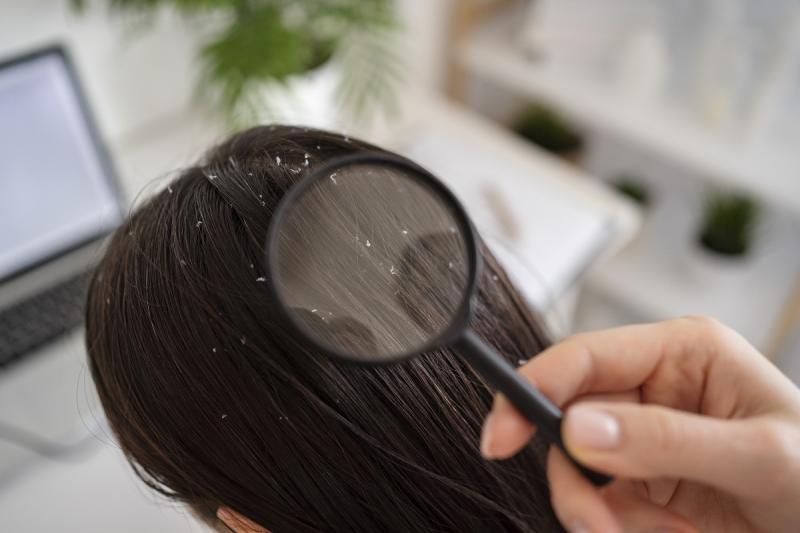
Dandruff, the flaky, itchy condition affecting the scalp, is a common concern for millions of people globally. It’s often seen as an annoying yet harmless issue, but many wonder if it could have more serious consequences, like hair loss. Understanding the link between dandruff and hair loss requires an exploration of the causes of dandruff, its impact on the scalp, and how these factors contribute to hair health. In this article, we will dive deep into whether dandruff can cause hair loss, what the underlying factors are, and how to manage both effectively.
Understanding Dandruff
Dandruff occurs when dead skin cells shed from the scalp more rapidly than usual, often accompanied by itching, redness, and irritation. The condition is mainly caused by three factors:
- Seborrheic Dermatitis: This common form of dandruff results from an overproduction of oil in the skin combined with an inflammatory reaction. It causes the skin to become greasy, red, and flaky, especially on the scalp.
- Malassezia Yeast: This naturally occurring yeast lives on the scalp but can sometimes multiply excessively, leading to dandruff. The body’s response to this overgrowth can trigger an inflammatory reaction, increasing skin cell shedding.
- Dry Skin: For some people, particularly in colder climates or during winter, the scalp can become excessively dry, resulting in dandruff. Unlike oily dandruff, flakes from dry scalp are smaller and less greasy.
Other factors like stress, hormonal changes, and poor hygiene can exacerbate dandruff symptoms, but they are not direct causes.
Types of Hair Loss
Before linking dandruff to hair loss, it's crucial to understand the types of hair loss. Hair loss, medically termed alopecia, can occur for various reasons:
- Androgenic Alopecia: This is genetic hair loss, often seen as male or female pattern baldness, where hair thins over time.
- Telogen Effluvium: Temporary hair loss caused by stress, illness, or trauma, where more hair follicles enter the resting phase (telogen) of the hair growth cycle than normal.
- Alopecia Areata: An autoimmune disorder where the immune system attacks hair follicles, causing sudden hair loss in patches.
- Traction Alopecia: Hair loss due to constant tension or pulling of the hair, often caused by tight hairstyles.
Now, let’s explore how dandruff may or may not lead to hair loss by examining the possible mechanisms at play.
Can Dandruff Directly Cause Hair Loss?
The short answer is no; dandruff itself does not directly cause permanent hair loss. Hair loss and dandruff are usually unrelated issues that happen to coincide, but dandruff may contribute indirectly to hair shedding or temporary thinning.
Inflammation and Irritation
One of the primary connections between dandruff and hair loss is scalp inflammation. Chronic dandruff can lead to continuous itching and irritation. When the scalp is inflamed, the skin's ability to support healthy hair growth is compromised. Inflamed hair follicles may struggle to grow strong, thick hair, and this can cause a temporary phase of increased hair shedding.
Excessive Scratching
Dandruff often causes itching, and constant scratching can traumatize the scalp. Scratching can lead to damage of the hair follicles, weakening them over time. This can result in the hair breaking more easily or falling out prematurely. While scratching itself does not cause hair loss at the root, it can weaken the overall hair structure, making hair more prone to breakage.
Seborrheic Dermatitis and Hair Loss
Seborrheic dermatitis, a more severe form of dandruff, can contribute to hair loss. When the scalp becomes inflamed and greasy, the excessive buildup of sebum (oil) can clog hair follicles. This buildup creates an unhealthy environment for hair growth, potentially causing more significant hair shedding.
In cases where seborrheic dermatitis is left untreated, the constant irritation, inflammation, and oil buildup may lead to more noticeable hair thinning, though this is usually temporary.
Hair Loss Due to Secondary Causes
While dandruff doesn’t directly cause hair loss, there are secondary factors that link the two. For instance, some anti-dandruff treatments, especially those containing strong chemicals or harsh ingredients, may cause irritation or allergic reactions, leading to hair thinning. Similarly, over-washing the hair in an attempt to remove dandruff flakes can strip the scalp of its natural oils, leading to dry, brittle hair that breaks easily.
How Dandruff Contributes to a Cycle of Hair Loss
Dandruff and hair loss can become part of a vicious cycle. The constant presence of dandruff can lead to excessive washing, scratching, and inflammation, all of which contribute to weakened hair. On the other hand, thinning hair exposes more of the scalp to the air, which can dry it out and worsen dandruff. This ongoing cycle can lead to psychological stress, and stress is a known trigger for both dandruff and hair loss, creating a self-perpetuating problem.
How to Prevent and Treat Dandruff-Related Hair Loss
Addressing both dandruff and hair loss requires a multi-faceted approach. Here’s how you can effectively manage these conditions:
1. Use the Right Shampoo
Using a medicated anti-dandruff shampoo can help control dandruff and reduce scalp irritation. Some of the most effective ingredients include:
- Pyrithione Zinc: An antifungal agent that can help reduce the growth of Malassezia yeast.
- Salicylic Acid: Helps exfoliate the scalp and remove dead skin cells.
- Ketoconazole: A powerful antifungal agent that treats severe dandruff.
- Coal Tar: Slows down skin cell turnover and can reduce scaling.
Be cautious not to use harsh shampoos that can dry out your scalp further. Instead, look for gentle formulas that balance dandruff control with scalp hydration.
2. Avoid Scratching
It may be tempting to scratch your scalp to relieve itching, but this can worsen inflammation and lead to hair follicle damage. Instead, focus on calming the scalp with anti-itch products or by using cold compresses when the itching becomes unbearable.
3. Manage Stress
Stress can worsen both dandruff and hair loss, so it’s essential to manage it through healthy practices like exercise, meditation, and proper sleep.
4. Moisturize the Scalp
Keeping your scalp hydrated is essential, particularly if you have dry scalp-related dandruff. Use lightweight oils or scalp treatments that hydrate without clogging the hair follicles. Aloe vera, coconut oil, and jojoba oil are natural options that can provide moisture and soothe inflammation.
5. Visit a Dermatologist
If dandruff persists despite over-the-counter treatments, consult a dermatologist. They can assess the root cause of your dandruff and provide stronger treatments, such as prescription shampoos, corticosteroids, or antifungal medications.
For hair loss, dermatologists may recommend treatments like minoxidil, laser therapy, or PRP (Platelet-Rich Plasma) therapy to stimulate hair growth and prevent further shedding.
How to Promote Healthy Hair Growth
Even if dandruff is under control, it’s essential to nourish your hair from within to promote healthy growth. Here are a few tips:
- Balanced Diet: A diet rich in vitamins and minerals like iron, zinc, and biotin can help strengthen hair and support healthy growth.
- Scalp Massage: Regular scalp massage with essential oils like rosemary or peppermint can stimulate blood flow and promote hair growth.
- Gentle Hair Care: Avoid over-styling, heat treatments, and tight hairstyles that can put stress on the hair follicles.
Conclusion
While dandruff itself doesn’t directly cause hair loss, it can contribute to factors that lead to temporary shedding or breakage, such as inflammation, scratching, and scalp irritation. Managing dandruff early on can prevent it from exacerbating hair problems, while a holistic approach to hair health, including proper diet, stress management, and scalp care, will help maintain a healthy head of hair. If you're struggling with severe dandruff or persistent hair loss, it's always best to consult a healthcare provider to determine the underlying causes and get appropriate treatment.
Post Your Ad Here
Comments