"Fashion Meets Technology: A New Era of Style"
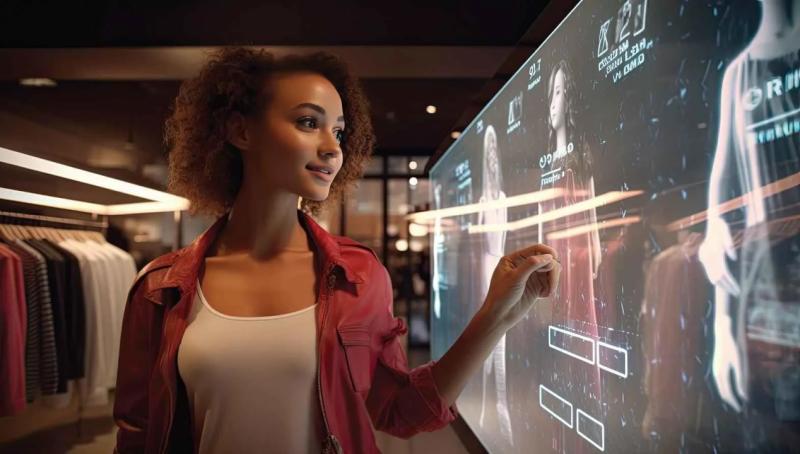
The intersection of fashion and technology is reshaping the industry in unprecedented ways. As innovation continues to evolve, it not only influences design and production but also enhances consumer experiences and Embracing Technology sustainability practices. This article explores how technology is transforming fashion, from design processes to retail experiences.
The Evolution of Design
Technology has revolutionized the way designers create and develop collections. With tools like computer-aided design (CAD) software, 3D modeling, and virtual reality (VR), designers can conceptualize and visualize their ideas more effectively.
Innovations in Design Tools
- CAD Software: Allows designers to create detailed sketches and patterns digitally, streamlining the design process.
- 3D Printing: Enables the creation of intricate designs that were previously impossible, allowing for rapid prototyping and customization.
- Virtual Reality: Offers immersive experiences for designers and consumers, allowing them to visualize how garments will look and fit before they are produced.
Smart Textiles and Wearable Technology
The rise of smart textiles and wearable technology is another significant trend in the fashion industry. These innovations not only enhance functionality but also open new avenues for fashion expression.
Examples of Wearable Technology
- Smartwatches: Devices like the Apple Watch combine style with functionality, offering health tracking, notifications, and customization options.
- Fitness Apparel: Brands are integrating sensors into clothing to monitor physical activity and biometrics, providing users with real-time data.
- Fashion Tech Accessories: From LED-embedded accessories to responsive fabrics, wearable technology is pushing the boundaries of traditional fashion.
E-commerce and Digital Retail
The shift towards online shopping has been accelerated by advancements in technology. E-commerce platforms are not only transforming how consumers shop but also how brands engage with their audiences.
Key Trends in Digital Retail
- Augmented Reality (AR): AR technologies allow customers to virtually try on clothes and accessories, enhancing the online shopping experience.
- Personalization: AI algorithms analyze consumer data to provide tailored recommendations, making the shopping experience more relevant and engaging.
- Social Media Integration: Platforms like Instagram and TikTok are becoming essential for fashion marketing, allowing brands to reach younger audiences through influencer collaborations and targeted ads.
Sustainability through Technology
As the fashion industry grapples with its environmental impact, technology is playing a crucial role in promoting sustainability. Innovations in production processes and materials can significantly reduce waste and improve efficiency.
Sustainable Innovations
- Digital Fabric Printing: This technology minimizes waste by using only the necessary amount of dye and fabric, as opposed to traditional methods that often result in excess.
- Recycled Materials: Brands are increasingly using recycled fabrics and materials, reducing the need for virgin resources.
- Supply Chain Transparency: Blockchain technology is being employed to track the provenance of materials, ensuring ethical sourcing and production practices.
The Future of Fashion and Technology
As fashion and technology continue to intertwine, the future looks promising. Emerging technologies like artificial intelligence, machine learning, and advanced robotics are set to further revolutionize the industry.
Anticipated Developments
- AI in Design: AI algorithms could assist designers in predicting trends and consumer preferences, leading to more informed decisions.
- Virtual Fashion Shows: The rise of virtual reality could lead to immersive fashion shows that reach global audiences, reducing the environmental footprint of traditional runway events.
- Enhanced Customer Interactions: The integration of chatbots and virtual assistants in e-commerce will enhance customer service and streamline the shopping process.
Conclusion
The fusion of fashion and technology is creating a dynamic landscape that promises to redefine the industry. From innovative design tools to smart textiles and sustainable practices, technology is enhancing creativity, efficiency, and consumer engagement. As these trends continue to evolve, the fashion industry is poised for a future that embraces both artistry and innovation.
Post Your Ad Here
Comments