How to Choose the Right Fabric for Your Made-to-Measure Curtains
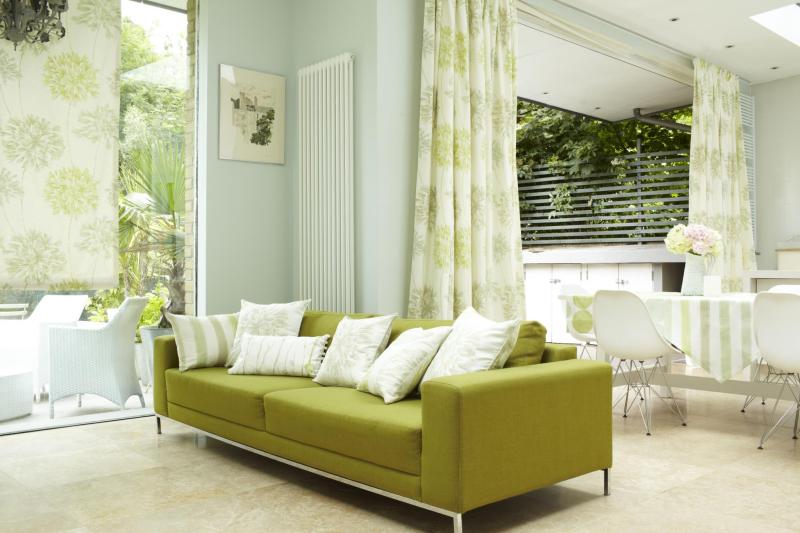
When it comes to selecting the perfect curtains for your home, choosing the right fabric is essential. The fabric you select not only determines the overall look of the curtains but also their functionality, durability, and how they fit into your lifestyle. With made-to-measure curtains, you have the luxury of customising every detail to your preferences, and the fabric is a crucial part of that decision. Here’s a guide to help you choose the ideal fabric for your made to measure curtains in East Sussex.
1. Consider the Room’s Purpose
The first step in choosing the right fabric is to consider the purpose of the room. Each space in your home serves a different function, and the fabric should align with that.
- Living Room: For a formal living room, luxurious fabrics like velvet or silk create a sophisticated look. For a more casual space, lighter materials like cotton or linen can give the room an airy feel.
- Bedroom: For privacy and light control, heavier fabrics like blackout or thermal materials are ideal. They can block out sunlight and insulate the room.
- Kitchen: Opt for easy-to-clean and durable fabrics like cotton or polyester blends that can withstand moisture and frequent cleaning.
By matching the fabric with the room’s function, you ensure that the curtains serve both practical and aesthetic purposes.
2. Factor in Light Control
The amount of light you want to let in or block out will influence your fabric choice. Different fabrics offer varying degrees of light control:
- Sheer Fabrics: If you want to allow plenty of natural light to filter in while maintaining privacy, opt for sheer fabrics like voile or lightweight cotton. These work well in living rooms or kitchens where light is essential.
- Medium-Weight Fabrics: Fabrics like linen and cotton blends offer a balance between light control and privacy, making them suitable for bedrooms and lounges where you want some natural light but also need privacy.
- Blackout Fabrics: For rooms where you need complete darkness, such as bedrooms or media rooms, blackout fabrics are the best choice. These are often backed with a lining that prevents light from passing through, ensuring a restful environment.
3. Think About Insulation and Energy Efficiency
Curtains can play a significant role in regulating your home’s temperature. If insulation and energy efficiency are priorities, opt for thicker, lined fabrics that help to keep your home warm in the winter and cool in the summer.
- Thermal Fabrics: These fabrics are designed specifically to insulate windows, reducing heat loss in colder months and keeping rooms cool during the summer. They are ideal for bedrooms, living rooms, and anywhere you want to improve energy efficiency.
- Heavyweight Fabrics: Wool, velvet, or tweed fabrics naturally offer excellent insulation and can help maintain a consistent indoor temperature.
4. Match the Fabric with Your Interior Style
The fabric you choose should complement your home’s overall décour style. Whether your space is modern, traditional, or eclectic, there’s a fabric to suit every design aesthetic.
- Modern Homes: For a minimalist or contemporary look, opt for clean fabrics like cotton or linen in neutral tones. These fabrics provide a sleek, uncluttered look that aligns with modern design principles.
- Traditional Interiors: Rich, textured fabrics like velvet, silk, or damask can add a sense of luxury and tradition. Deep colours and ornate patterns also suit classic interiors.
- Bohemian or Eclectic Styles: For a more relaxed, artistic vibe, experiment with bold prints, vibrant colours, and textured fabrics like linen or hemp.
5. Durability and Maintenance
The durability and ease of care of the fabric should also factor into your decision. Some fabrics require more upkeep than others, so it’s essential to choose one that fits your lifestyle and maintenance preferences.
- High-Traffic Areas: If your curtains are likely to experience frequent handling, such as in a family room or kitchen, durable fabrics like polyester blends or heavy cotton are more resistant to wear and tear.
- Low-Maintenance Fabrics: Polyester, nylon, and some cotton blends are easier to clean and maintain. They resist wrinkles and stains better than delicate fabrics like silk or velvet.
- Delicate Fabrics: While materials like silk and velvet offer elegance, they are more sensitive to damage from sunlight and may require professional cleaning. These are better suited for rooms with less direct sunlight and minimal use, like formal dining rooms.
6. Pattern and Colour Considerations
Once you’ve narrowed down your fabric choice, you’ll need to think about the pattern and colour. These elements can have a significant impact on the room’s look and feel.
- Neutral Tones: For a timeless, versatile look, choose fabrics in neutral colours like beige, white, or grey. These shades are adaptable and can complement various design styles.
- Bold Patterns: If you want to make a statement, go for bold patterns or vibrant colours. Stripes, florals, or geometric prints can add a pop of personality to an otherwise neutral room.
- Sunlight Exposure: Keep in mind that colours can fade over time with exposure to sunlight. Lighter fabrics tend to fade less, while dark or vibrant colours may lose their vibrancy over time, especially in rooms with a lot of direct sunlight.
Conclusion
Choosing the right fabric for your made-to-measure curtains is a blend of style, functionality, and practicality. By considering the purpose of the room, the level of light control, insulation needs, and how the fabric complements your décour, you can create a customised window treatment that not only looks beautiful but also enhances the comfort and efficiency of your home. Whether you opt for luxurious silk, casual cotton, or energy-saving thermal fabrics, the right choice will ensure that your curtains are both a stylish and practical addition to your space.
1 people like it

Advertise on APSense
This advertising space is available.
Post Your Ad Here
Post Your Ad Here
Comments