Permaculture Farming Features
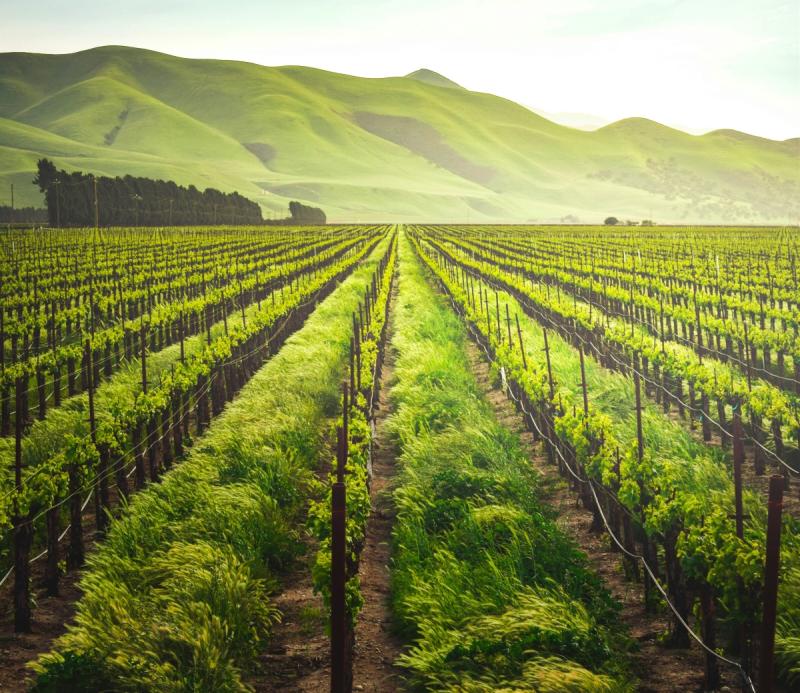
With time, farming has improved with the utilization of cutting edge apparatus, irrigation systems, seeds and fertilizers. The harvest also increased. However, the nutrient levels in products, soil fertility, and soil structure begin to degrade.
To bring everything back to normal and maintain the health of our earth, agricultural enthusiasts across world started to do permaculture farming. Considering its impressive benefits not only for the environment but also for the producers and customers, they are encouraging others to do the same.
In this blog, we are discussing permaculture farming, its principles, techniques, benefits, and much more. So, let’s start with!
What is Permaculture?
Permaculture is an agricultural design approach that focuses on creating whole systems utilising and simulating patterns from nature. Or you can say a concept uses land, resources, people and the environment in a way that doesn’t produce any waste.
The term “Permaculture” was originated by Holmgren back in 1978, but the practices were being followed earlier than this.
There are three core bases of permaculture.
1. Care for the earth: It means supporting all life systems for their existence and multiplication. Because humans can exist on a healthy planet only.
2. Care for the people: Letting people access resources they need to survive.
3. Fair share: Use anything that much you need and reinvest any surplus. This will help fulfil the other core basis of permaculture. For example, returning waste products back into the system in order to make them useful again.
Key Principles of Permaculture
Permaculture farming is performed following a set of key principles, which focus on creating sustainable and regenerative agricultural systems. Here we have provided some important principles of permaculture farming. Let’s know them.
Also Read – Difference Between Horticulture And Agriculture
1. Observation
First of all, take time to observe the land, climate, and natural patterns before making any changes. This practice will help you understand the environment better and make informed decisions accordingly.
2. Diversity
One should adopt biodiversity in farming by growing various crops, trees, and animals. The adoption of variety helps increase crops’ strength to pests, diseases, and environmental changes.
3. Integration
Permaculture farming permits the integration of different elements of the farm, like plants, animals, and structures, farm machinery ,multi crop thresher ,to make mutually beneficial associations and amplify efficiency accordingly.
4. Conservation
The conservation of water, soil, and biodiversity is profoundly significant in permaculture agriculture. For this, farmers can follow sustainable land management techniques, for example, mulching, composting, and rainwater harvesting.
5. Use of Natural Resources
Prefer to use natural resources like sunlight, wind, and water efficiently. For this, you can design systems that capture and store these resources for further use on the farm.
6. Minimal Disturbance
Try to minimise disruption to the natural landscape and ecosystem with the adoption of permaculture farming. This farming practice stresses on staying away from practices like plowing and the utilization of chemical fertilisers to prevent harm to soil health and biodiversity.
7. Renewable Energy
Permaculture farming recommends the use of renewable energy sources like solar and wind power instead of completely depending on fossil fuels. It helps minimise the impact on our environment.
8. Zones and Sectors
With permaculture agriculture, you should prefer creating different zones depending on the frequency of use and energy. Accordingly, you will place elements that require frequent attention closer to the centre of the farm, while low-maintenance elements are farther away.
9. Small Scale
Permaculture farming advocates start with small-scale permaculture farms and expand gradually as they gain experience and resources. In fact, with small-scale farming, you can pay attention to detail and manage resources effectively.
10. Community and Cooperation
This agriculture practice highly focuses on building strong relationships within the community and collaborating with other farmers. This allows the sharing of knowledge, resources, and experiences among the farmers that can benefit everyone involved.
Post Your Ad Here
Comments