Understanding Liver Biopsy: When and Why It's Done
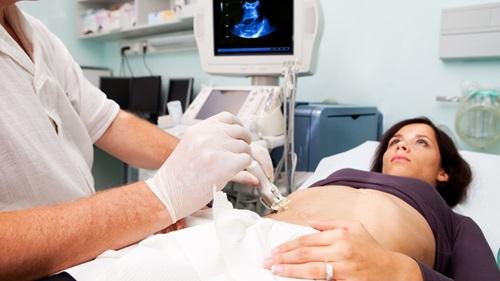
A liver biopsy is a medical procedure that involves taking a small sample of liver tissue for examination. This procedure is often recommended to diagnose liver conditions, assess the severity of liver damage, or monitor the effectiveness of treatment. Here’s a detailed overview of when and why a liver biopsy might be done:
When is a Liver Biopsy Done?
Doctors may recommend a liver biopsy if:
- Blood tests or imaging tests indicate abnormal liver function and the cause is unclear.
- There are conditions such as hepatitis B or C, fatty liver disease, or autoimmune liver disease.
- Need is to determine the extent of liver damage or fibrosis.
- Required to evaluate the degree of damage caused by excessive alcohol consumption.
- Need is to assess the severity and distinguish between simple steatosis and non-alcoholic steatohepatitis (NASH).
- Required to evaluate the liver mass and the type of liver cancer
- Monitoring is required for signs of rejection or recurrent disease in patients who have undergone liver transplantation
Why is a Liver Biopsy Done?
There are several reasons why a doctor might recommend a liver biopsy:
- To accurately diagnose a liver problem when other tests (imaging, blood tests) are inconclusive.
- To obtain a sample of tissue from an irregularity found by an imaging study, such as an ultrasound or CT scan.
- To determines the severity of liver disease (such as the extent of fibrosis or cirrhosis) which can help guide treatment decisions.
- To help develop treatment plans based on the specific type and stage of liver disease.
- To determine how well treatment for liver disease is working.
- To monitor the liver after a liver transplant.
There are three main types of liver biopsies:
- Percutaneous liver Biopsy: The most common method, where a needle is inserted through the abdomen into the liver to collect a tissue sample.
- Transjugular liver Biopsy: Used when there’s a risk of bleeding; a thin catheter is inserted through a jugular vein in the neck and then into your liver to collect a tissue sample.
- Laparoscopic liver Biopsy: Performed during a laparoscopy, where a small incision is made in your abdomen and a lighted instrument to view your internal organs. During the procedure, a small tissue sample is taken from your liver.
So, we conclude that liver biopsy is a valuable tool in providing a definitive diagnosis, assessing disease severity, guiding treatment decisions, and monitoring treatment efficacy.
Advertise on APSense
This advertising space is available.
Post Your Ad Here
Post Your Ad Here
Comments