Tips and Tricks for Creating Games that Captivate Users
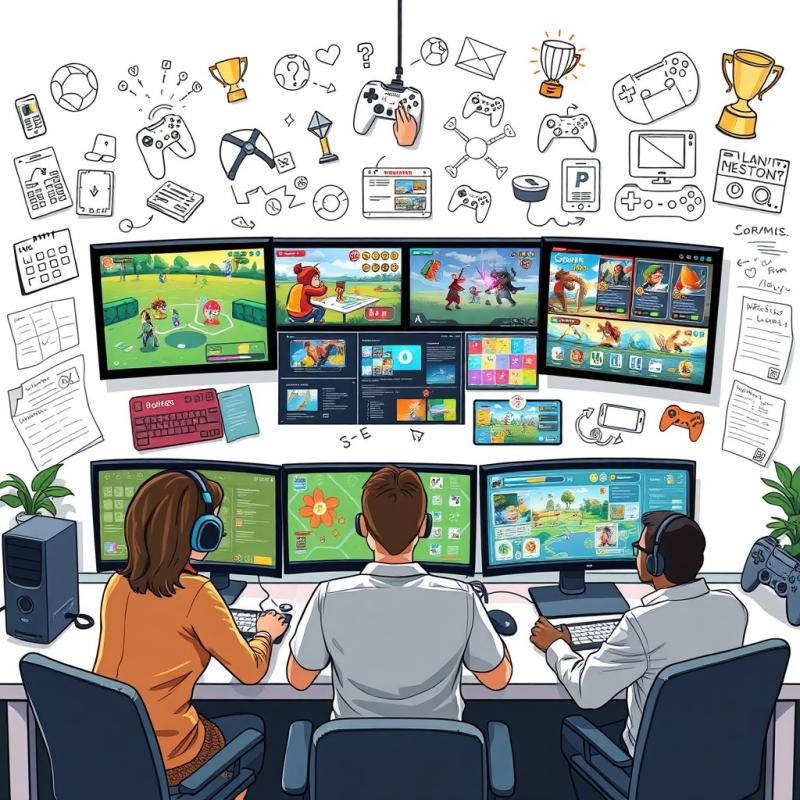
In the highly competitive world of game development, capturing the interest of players is no small feat. With thousands of games launching daily, it’s crucial to develop a product that not only stands out but also keeps players coming back for more. As OLX89 continues to expand its footprint in the gaming industry, here are some essential tips and tricks to create games that resonate with users and drive engagement.
1. Understand Your Audience
The foundation of any successful game starts with a deep understanding of your target audience. Researching user demographics, preferences, and gaming habits is critical. Whether your audience prefers casual mobile games, strategy-based PC games, or immersive VR experiences, tailoring your game design to meet their expectations is key. Use analytics tools and social media insights to continuously monitor trends and feedback, allowing you to adapt and evolve your game to keep it relevant.
2. Focus on User Experience (UX)
User experience is a crucial factor that can make or break a game. Intuitive controls, smooth navigation, and a clutter-free interface are essential to providing a seamless gaming experience. Remember, the first few minutes of gameplay often determine whether a user will continue playing or abandon the game. Prioritize tutorials and onboarding processes that are engaging but not overwhelming, ensuring players feel confident and excited about progressing further.
3. Incorporate Engaging Storylines and Characters
A compelling storyline and well-developed characters can significantly enhance a game’s appeal. Players are more likely to invest time in a game where they feel emotionally connected to the characters and the narrative. Develop a story that’s engaging, with plot twists and character arcs that keep players intrigued. Consider integrating player choices that influence the story’s outcome, which can increase replay value and user retention.
4. Utilize Reward Systems Effectively
Rewards are a powerful motivator in gaming. Implementing a well-thought-out reward system that offers players incentives for completing challenges, leveling up, or achieving milestones can significantly boost engagement. These rewards can be in the form of virtual currency, new characters, special abilities, or even cosmetic upgrades. The key is to balance rewards so that they provide value without making the game too easy or too difficult.
5. Leverage Social and Multiplayer Features
Social interaction can elevate a game’s popularity. By incorporating multiplayer modes, leaderboards, and social sharing features, you can create a sense of community among players. Allowing users to compete against friends or team up with others adds an extra layer of excitement and keeps players engaged longer. Social features also enhance word-of-mouth marketing, as players are more likely to recommend games they play with friends.
6. Keep the Game Updated and Fresh
Regular updates are vital to keeping a game fresh and exciting. Introduce new content, features, and events periodically to maintain user interest. Seasonal updates or limited-time events can create a sense of urgency and encourage players to return regularly. Additionally, listen to user feedback and address bugs or issues promptly to ensure a smooth and enjoyable experience.
7. Optimize for Performance Across Devices
With gaming happening across various platforms and devices, optimizing your game for performance is essential. Ensure that your game runs smoothly on different operating systems, screen sizes, and hardware configurations. This includes minimizing load times, reducing battery drain, and ensuring that graphics and animations are consistently high-quality. A game that performs well across all devices is more likely to attract and retain a larger user base.
8. Monetization without Compromising Experience
Monetization is important, but it shouldn’t come at the cost of user experience. Avoid aggressive ads or paywalls that can frustrate players and drive them away. Instead, consider in-app purchases, premium versions, or ads that complement the gaming experience rather than disrupt it. Offering a free version with optional paid content can be an effective way to monetize while still providing value to users.
9. Invest in Marketing and Community Building
Even the best games need effective marketing to reach their audience. Leverage social media, influencers, and gaming communities to create buzz around your game before and after launch. Engaging with players through forums, social media, and regular updates fosters a loyal community that can be instrumental in spreading the word about your game. Consider beta testing or early access programs to build anticipation and gather valuable feedback.
10. Analyze and Adapt
Finally, success in game development requires constant analysis and adaptation. Utilize analytics tools to track player behavior, engagement metrics, and revenue performance. Regularly review this data to identify trends, areas for improvement, and new opportunities. Being agile and responsive to player needs and market trends ensures that your game remains relevant and continues to attract new users.
Post Your Ad Here
Comments