5 Things to Do When You Can’t Pay Your Payday Loans
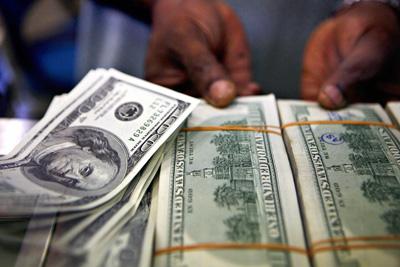 Everyone needs extra money at one time or another, which is how good people end up with payday loans. You may just need money for food, or for emergency car repairs or medical bills. Some people will even get a payday loan to pay off other payday loans. Taking out a payday loan can feel like a way to sort out a short term money problem. However, often it only postpones the problem to another month.
Whether you have four or five ongoing payday loans or just one, follow these friendly tips to find out what to do if you don’t have enough money to pay off the principal and interest.
Contact your payday lender as soon as possible
As soon as you have problems repaying your loan, talk to your payday lender and try to arrange a repayment plan with them. They should treat you fairly and with consideration allowing you reasonable time to repay the loan which may include freezing interest and suspending charges. Lender should consider accepting small token payments temporarily if your repayments mean you haven’t enough money left for essentials like food, rent or mortgage, and utility bills
Stop payment on post-dated checks
Do this before you have to make another interest payment. It will cost you to stop the payment, but it's worth it. Even if it goes in as a debit to your bank the bank will still stop it as long as you have the correct amount the check was written for and the name of the payee (be sure to give every single name the company uses).
After you stop payment, go to the payday loan and tell them you have stopped payment on the check. They will likely try to cash it anyway. Once they fail to collect on the check, though, the loan company will contact you to set up a payment plan. Often times they will even drop down your balance if you can pay the reduced balance right away.
Don't let them set up high weekly payments that you can’t afford. Instead, only agree to payments that you know you can make, even if it’s only $10 or $25 per week. In most cases, they will stop charging you interest. You can often negotiate a lower balance and if you can pay it off at that time then you should try to do that. They will often lower your balance even when you're making payments.
If you continue to fall behind on payments or stop payments altogether, they can take you to court or turn you over to a collection agency. However, they rarely if ever turn it over to collections.
Get credit counseling
There are non-profit groups in every state that offer free or low-cost credit counseling to consumers. However, be sure to avoid any group that wants a large upfront payment in exchange for negotiating your debt down - you can do that on your own with the advice that I’ve given you. For reputable credit counseling, you can check with your employer, bank, or housing authority.
Cancel payments
If you do have some money in your bank but need it for your priority bills such as your mortgage or rent, you can stop the payday lender taking money from your account. You need to contact your bank and asked for the Continuous Payment Authority to be cancelled (or the standing order or direct debit, if this is how you have chosen to pay). Under the Payment Services Regulations you have the right to withdraw your permission for a payment directly with your bank – you do not need to approach the company first. If you have written a post-dated cheque to the payday lender to cash on the due date, contact your bank and ask them to cancel the cheque.
Always give your bank as much notice as possible – at least several days – otherwise they might not be able to cancel the payment for you.
Stop wage garnishment
If you agreed to a “voluntary wage assignment” clause in your initial agreement, write a letter revoking that agreement. That will prevent the lender from taking your wages without a court order.
1 people like it

Advertise on APSense
This advertising space is available.
Post Your Ad Here
Post Your Ad Here
Comments