5 Steps you Should Take Post Flooding to Minimize Water Damage
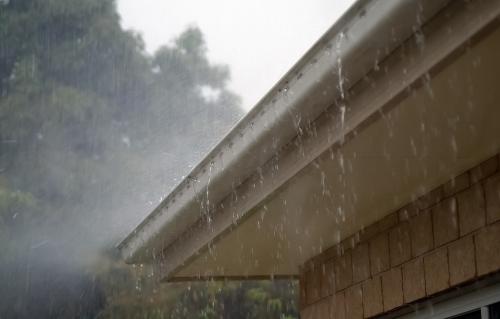
Water damage is one of the most potent factors that pose a threat to a building’s structure. Overflowing toilets, burst pipes, and substantial flooding caused due to natural disasters are some of the most common causes of water damage. As a building owner, you need a disaster recovery plan in place to ensure you’re fully prepared to protect your building’s structural integrity and ensure occupants’ safety, post disaster. To help you achieve this objective, we’ve prepared a listicle that includes steps you must take post flooding to protect your building against damage. Read on to learn more.
1. Get rid of Accumulated Water
Accumulated/stagnant water is a breeding ground for germs and parasites. Moreover, water can also damage the paint of your house and result in mold formation. To address these issues, you need to get rid of accumulated water. You can use dry towels and mops to soak up the area if you don’t have electricity. While using a wet/dry vacuum or a sump pump, make sure the outlets that you use to plug-in the device is away from water to avoid chances of shock. Divert the water to the sewer or your garden (if the drainage system is not working).2. Clean the Area
After draining out water, use HEPA vacuum to get rid of debris and soil. Attach a hose to the vacuum and vent the air outwards to ensure particles don’t get suspended in air. Use a pressure washer to clean framing and scrub it with a mild detergent to get rid of accumulated dirt. Carry out additional rounds of cleaning, if you still note visible signs of dirt.3. Address the Problem of Mold
To check the growth of mold, apply Concrobium on furniture, floors, walls and other surfaces that are susceptible to mold damage. The product is non-toxic and forms a layer over mold, crushing their roots, thereby helping you address the issue. After cleaning the surfaces, wipe them using a sanitizer to neutralize the remaining contaminants.4.Remove Damaged Items
Make sure to remove damaged items including wooden furniture, paint containers and wet upholstery. Get rid of wallboard materials such as plaster, carpet, and hardwood that were inundated in water. Before disposing these equipment, pay a visit to the nearest recycling site to salvage usable material. Dispose of the remaining materials in a safe environment.5. Get Professional Help
Following these methods is not a substitute for seeking professional disaster restoration services. Disaster restoration companies use specialized equipment including blowers, fans and floor dryers that soak accumulated water from every nook and corner of the house, where conventional devices can’t reach. Additionally, these professionals rely on expert techniques to sanitize the area, which is a must in case water from sewers is the cause of flooding.Conclusion...
In addition to following these steps, make sure to document the damages that the building incurs to avoid hassles while filing an insurance claim. Additionally, switch on the ACs and open the windows to ensure cross ventilation which is a must to address the problem of water stagnation. Last, but not the least, discuss precautionary steps with your disaster restoration service provider to avoid safety risks.
Advertise on APSense
This advertising space is available.
Post Your Ad Here
Post Your Ad Here
Comments