5 Interesting Facts about Soda Ash
The chemical name for Soda Ash is Sodium Carbonate, the sodium salt of carbonic acid which is more commonly known as washing soda or soda crystals. Apart from its well-known everyday domestic use as a water softener, the chemical is put to use in the manufacturing of a range of products varying from glass to hunting trophies. Here are some interesting facts about the occurrence, properties and applications of the chemical.

1. Sodium carbonate occurs naturally in arid regions and can be found in the form of deposits on locations where lakes evaporate. Deposits of sodium carbonate are found majorly in United States, China, Botswana, Uganda, Kenya, Mexico, Peru, India, Egypt, South Africa and Turkey. It can also be extracted from the ashes plants which grow in sodium-rich soils. Since the ashes of these sodium-rich plants are noticeably different from ashes of timber which is used to create potash, they became known as "soda ash".
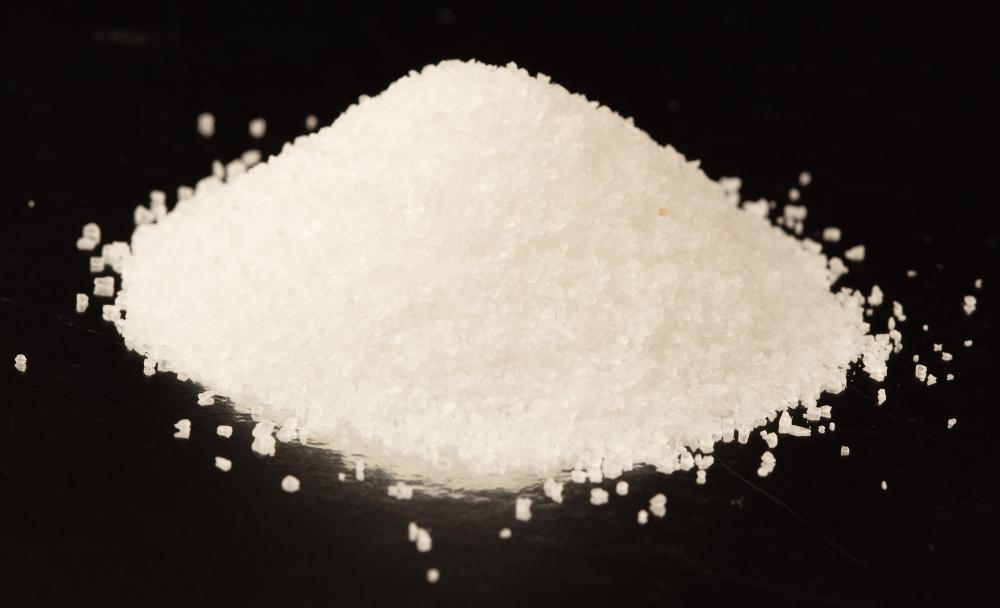
2. Pure sodium carbonate is a white, odorless powder that absorbs moisture from the air and forms a strongly alkaline water solution. It has a high pH in concentrated solutions and can be used to increase the alkalinity in swimming pools, helping to ensure proper pH balance of the water after it becomes acidic due to repeated addition of chlorine. Since it is highly alkaline, it can easily irritate the eyes and skin and should not be ingested. Also, what is really interesting is the fact that though readily soluble in water, it reaches maximum solubility at a relatively low temperature of 35.4oC.
3. Soda ash also has significant economic importance for its application in making soaps and detergents, manufacturing glass, processing wood pulp to make paper and in refining aluminium. In addition, it is the most widely used for the manufacturing of other alkali products, sodium salts, sodium silicates, bicarbonates, bichromates, cellulose and rayon, cleaning compounds, textiles and dyestuffs, drugs and many other materials. In the dyeing industry, it is used to improve the chemical bonding between the dye and the fibre. It helps to reduce water content in clay that makes the task of moulding the clay in the shape of a brick easier. It is also used as an electrolyte in the electrolysis process.
4. More than half of all the sodium carbonate produced around the world is used in making glass. Soda ash is mixed in proportion with sand and calcium carbonate and is heated to required temperature and then cooled quickly to obtain soda-lime silica glass which is incredibly clear and durable.
5. Soda Ash is one chemical that is used domestically to remove alcohol and grease stains from clothing, as well as calcifications in everything from coffee pots and espresso makers to boilers and hot water heaters and is simultaneously useful for science laboratories as it is important in taxidermy, and also for preparing hunting trophies.
The growing demand for soda ash in manufacturing of a wide range of products has led to the growing number of Soda Ash distributors. KPL International is one such Soda Ash distributor that specializes in the manufacturing and marketing of quality chemicals in India.
1. Sodium carbonate occurs naturally in arid regions and can be found in the form of deposits on locations where lakes evaporate. Deposits of sodium carbonate are found majorly in United States, China, Botswana, Uganda, Kenya, Mexico, Peru, India, Egypt, South Africa and Turkey. It can also be extracted from the ashes plants which grow in sodium-rich soils. Since the ashes of these sodium-rich plants are noticeably different from ashes of timber which is used to create potash, they became known as "soda ash".
2. Pure sodium carbonate is a white, odorless powder that absorbs moisture from the air and forms a strongly alkaline water solution. It has a high pH in concentrated solutions and can be used to increase the alkalinity in swimming pools, helping to ensure proper pH balance of the water after it becomes acidic due to repeated addition of chlorine. Since it is highly alkaline, it can easily irritate the eyes and skin and should not be ingested. Also, what is really interesting is the fact that though readily soluble in water, it reaches maximum solubility at a relatively low temperature of 35.4oC.
3. Soda ash also has significant economic importance for its application in making soaps and detergents, manufacturing glass, processing wood pulp to make paper and in refining aluminium. In addition, it is the most widely used for the manufacturing of other alkali products, sodium salts, sodium silicates, bicarbonates, bichromates, cellulose and rayon, cleaning compounds, textiles and dyestuffs, drugs and many other materials. In the dyeing industry, it is used to improve the chemical bonding between the dye and the fibre. It helps to reduce water content in clay that makes the task of moulding the clay in the shape of a brick easier. It is also used as an electrolyte in the electrolysis process.
4. More than half of all the sodium carbonate produced around the world is used in making glass. Soda ash is mixed in proportion with sand and calcium carbonate and is heated to required temperature and then cooled quickly to obtain soda-lime silica glass which is incredibly clear and durable.
5. Soda Ash is one chemical that is used domestically to remove alcohol and grease stains from clothing, as well as calcifications in everything from coffee pots and espresso makers to boilers and hot water heaters and is simultaneously useful for science laboratories as it is important in taxidermy, and also for preparing hunting trophies.
The growing demand for soda ash in manufacturing of a wide range of products has led to the growing number of Soda Ash distributors. KPL International is one such Soda Ash distributor that specializes in the manufacturing and marketing of quality chemicals in India.
Advertise on APSense
This advertising space is available.
Post Your Ad Here
Post Your Ad Here
Comments