China Beauty Picture(5)
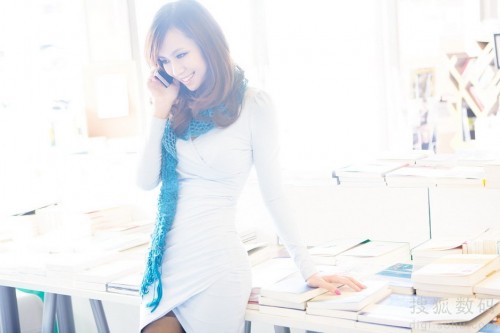
“The privileges of beauty are immense,” said Cocteau. To be sure, beauty is a form of power. And deservedly so. What is lamentable is that it is the only form of power that most women are encouraged to seek. This power is always conceived in relation to men; it is not the power to do but the power to attract. It is a power that negates itself. For this power is not one that can be chosen freely—at least, not by women—or renounced without social censure.
To preen, for a woman, can never be just a pleasure. It is also a duty. It is her work. If a woman does real work—and even if she has clambered up to a leading position in politics, law, medicine, business, or whatever—she is always under pressure to confess that she still works at being attractive. But in so far as she is keeping up as one of the Fair Sex, she brings under suspicion her very capacity to be objective, professional, authoritative, thoughtful. Damned if they do—women are. And damned if they don’t.
One could hardly ask for more important evidence of the dangers of considering persons as split between what is “inside” and what is “outside” than that interminable half-comic half-tragic tale, the oppression of women. How easy it is to start off by defining women as caretakers of their surfaces, and then to disparage them (or find them adorable) for being “superficial.” It is a crude trap, and it has worked for too long. But to get out of the trap requires that women get some critical distance from that excellence and privilege which is beauty, enough distance to see how much beauty itself has been abridged in order to prop up the mythology of the “feminine.” There should be a way of saving beauty from women—and for them.
Post Your Ad Here
Comments