How These Theatre Arts Were Brought Into The World...
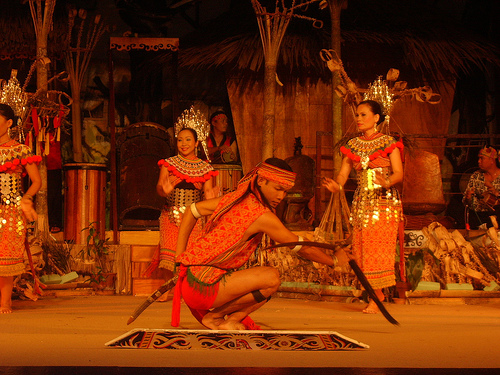
Folk theatre and dramatics can be traced to the religious ritualism of the Vedic peoples in the 2nd millennium BC. This folk theatre of the misty past was mixed with dance, food, ritualism, plus a depiction of events from daily life. It was the last element which made it the origin of the classical theatre of later times. Many historians, notably D. D. Kosambi, Debiprasad Chattopadhyaya, Adya Rangacharaya, etc. have referred to the prevalence of ritualism amongst Indo-Aryan tribes in which some members of the tribe acted as if they were wild animals and some others were the hunters. Those who acted as mammals like goats, buffaloes, reindeer, monkeys, etc. were chased by those playing the role of hunters.
Bharata Muni (fl. 5th–2nd century BC) was an ancient Indian writer best known for writing the Natya Shastra of Bharata, a theoretical treatise on Indian performing arts, including theatre, dance, acting, and music, which has been compared to Aristotle's Poetics. Bharata is often known as the father of Indian theatrical arts. His Natya Shastra seems to be the first attempt to develop the technique or rather art, of drama in a systematic manner. The Natya Shastra tells us not only what is to be portrayed in a drama, but how the portrayal is to be done. Drama, as Bharata Muni says, is the imitation of men and their doings (loka-vritti). As men and their doings have to be respected on the stage, so drama in Sanskrit is also known by the term roopaka which means portrayal.
The Ramayana and Mahabharata can be considered the
first recognized plays that originated in
KÄlidÄsa in the first century BC, is arguably considered to be ancient
Post Your Ad Here
Comments