10 Steps to Utilize Renewable Energy in India
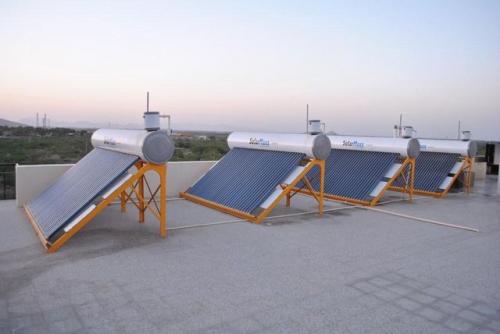
Electricity usage in India continues to be escalating at very fast rate because of the increasing population as well as economic growth. India’s economic climate confronts growing challenges since energy supply is having difficulties to meet the demand and you can find energy shortages nearly all around the nation. Such persistent deficiency of energy and untrustworthy supplies endanger India’s financial progress.
What exactly must be done?
One step to achieve this goal is to commence a countrywide solar project to aid large-scale deployment of 100 million solar roofs as well as large utility-scale production installations over the next twenty years. India can be a key player and global leader in the solar power equipment’s sector.
10 Steps to Utilize Renewable Energy in India
1. Strongly develop the deployment of renewable energy sources such as solar, wind, hydro, biomass, and geothermal to relieve the load on the existing transmission and distribution process – and get to more off-grid populations.
2. Launch a Renewable Energy Policy by 2020 – to generate demand, new market sectors and invention, along with a new wave of eco-friendly jobs.
3. Create advantageous guidelines to relieve the project enabling practice, and to offer startup funds to promote the rapid development of renewable energy. Build and finance a countrywide smart infrastructure bank for renewable energy.
4. Utilize local resources to enter the renewable energy marketplace by offering lucrative incentives such as tax deduction, lesser import duty, startup investments, human resource allocation, better technologies, low-interest loans and raw materials.
5. Invite professionals, scientists and other skilled people for R&D activities for improvement in renewable energy segment.
6. Promote and support installation of solar and wind energy units, such as solar water heating and solar lighting system. A campaign can be initiated on national level to facilitate installation of more units producing solar and wind energy.
7. Promote use of electrical vehicles and motivate people to charge their vehicles during non-peak hours, particularly in nights. Also, people can be motivated to install solar power plants on their roofs to charge their vehicles. In fact, it is possible to manufacture such vehicles that absorb the solar energy during daytime and run on it.
8. Strongly invest in a smart, two-way grid. Put money into smart meters, along with dependable systems that may support the two-way circulation of electrons. This kind of systems must be strong enough to prevent power shutdowns and support the superior energy generation systems of the future.
9. Build more manufacturing units to produce solar energy. This step can facilitate in making India the global leader in solar energy production.
10. Work at a Hydrogen Economy development program. Hydrogen can be feasted into fuel cells for producing heat and electrical power – along with running fuel cell automobiles. Generate hydrogen using renewable energy with solar and wind power. If accomplished properly, hydrogen and electricity may ultimately turn into society’s main power carriers in the twenty-first century.
If India created the substantial change from coal, oil, natural gas and nuclear energy to renewable energy, it's possible that 75% of India’s electricity and 35% of its overall energy might be driven by renewable resources by 2030. There are absolutely no obstacles to delivering practically 100 percent of India’s energy requirement by using renewable energy from solar, wind, hydro and biogas by 2050.
Post Your Ad Here
Comments