Transformation of Commercial Projects with Structural BIM Services
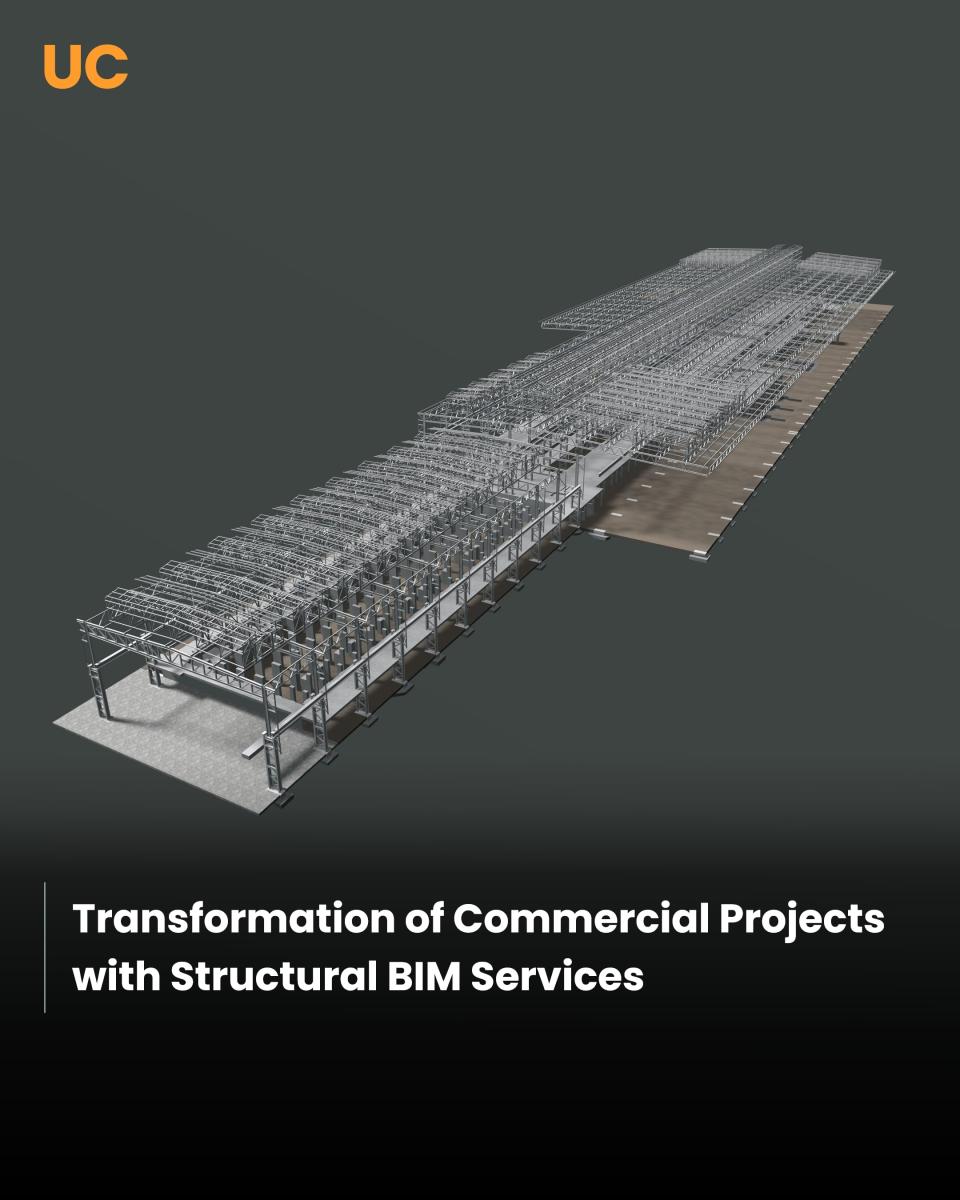
Structural BIM Services are increasingly essential in the construction of commercial projects, providing a robust framework that enhances design accuracy, collaboration, and overall project efficiency. By utilizing Building Information Modeling (BIM), these services facilitate a comprehensive approach to managing the complexities of modern construction.
Key Advantages of Structural BIM Services
- Enhanced Accuracy: Structural BIM allows for the creation of detailed 3D models that accurately represent structural elements such as beams, columns, and foundations. This precision helps identify design deficiencies early, reducing the likelihood of costly changes during construction.
- Clash Detection: One of the most significant benefits of BIM is its ability to perform clash detection. This process identifies potential conflicts between various building systems (e.g., structural, mechanical, electrical, and plumbing) before construction begins, minimizing rework and delays.
- Improved Collaboration: BIM fosters a collaborative environment where architects, engineers, and contractors can work on a single, coordinated model. This integration enhances communication and ensures that all parties are aligned, leading to smoother project execution.
- Streamlined Documentation: Structural BIM services provide detailed structural shop drawings and documentation, which are essential for accurate fabrication and construction. This documentation supports better planning and execution, ensuring that all team members have access to the same information.
Applications in Commercial Projects
Structural BIM services are applicable across various types of commercial projects, including:
- Office Buildings: BIM enhances the design and construction of office spaces by facilitating better planning and coordination among different disciplines, ensuring that the final product meets the client's needs efficiently.
- Retail Spaces: In retail developments, BIM helps optimize layouts and integrate various systems, improving the overall functionality and aesthetic appeal of the space.
- Mixed-Use Developments: For projects that combine residential, commercial, and recreational spaces, BIM provides a comprehensive framework for managing the complexities involved in such diverse environments.
Conclusion
Incorporating Structural BIM Services into commercial projects not only improves the accuracy and efficiency of construction processes but also enhances collaboration among all stakeholders. By leveraging the capabilities of BIM, project teams can deliver high-quality outcomes while minimizing costs and reducing the risk of errors. As the construction industry continues to evolve, the adoption of BIM will remain a critical factor in achieving project success.


Comments